Italian interior design is defined by a refined balance between heritage, innovation and effortless sophistication. From Milanese apartments to contemporary villas, Italian interiors combine architectural character with carefully selected furniture, rich materials and a strong sense of proportion.
Rather than following a single aesthetic, Italian interior design embraces different influences, from classic elegance to modern minimalism, while maintaining a distinctive attention to detail.
See Also: 50 Best Interior Designers In Italy

The Essence of Italian Interior Design
At the heart of Italian interior design is a dialogue between tradition and contemporary living. Historic architectural elements can be paired with modern furniture, creating interiors that feel sophisticated without becoming overly formal.
Proportion, symmetry and simplicity are carefully considered, allowing each element to contribute to the overall composition.
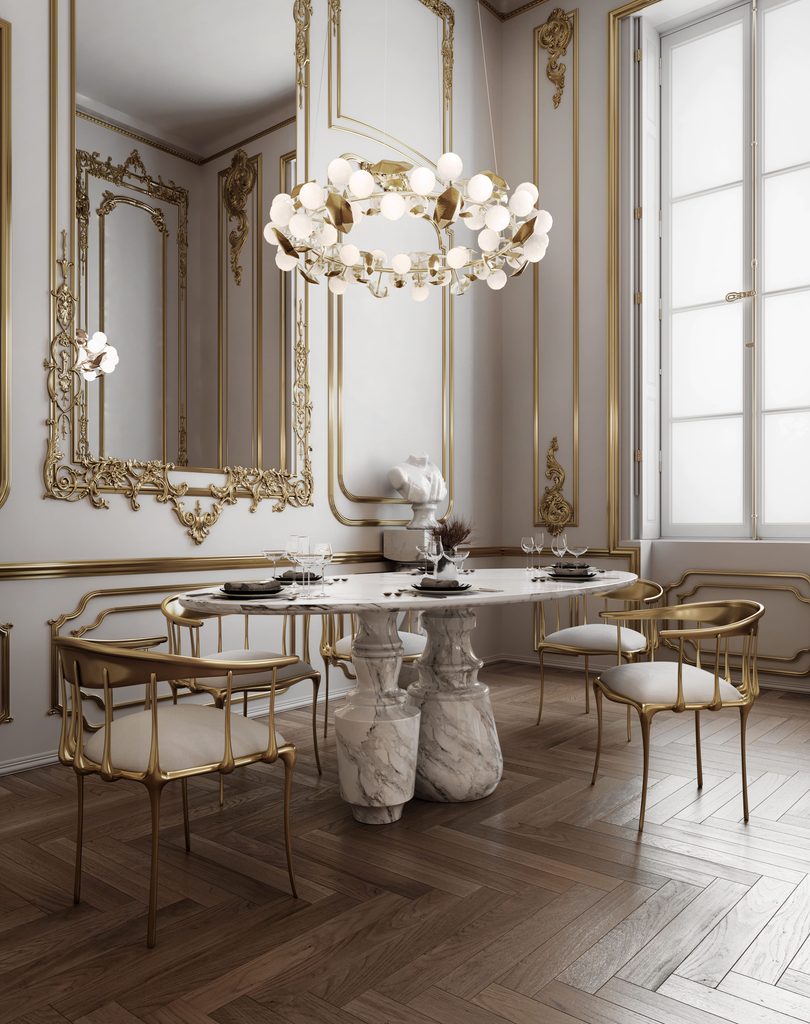
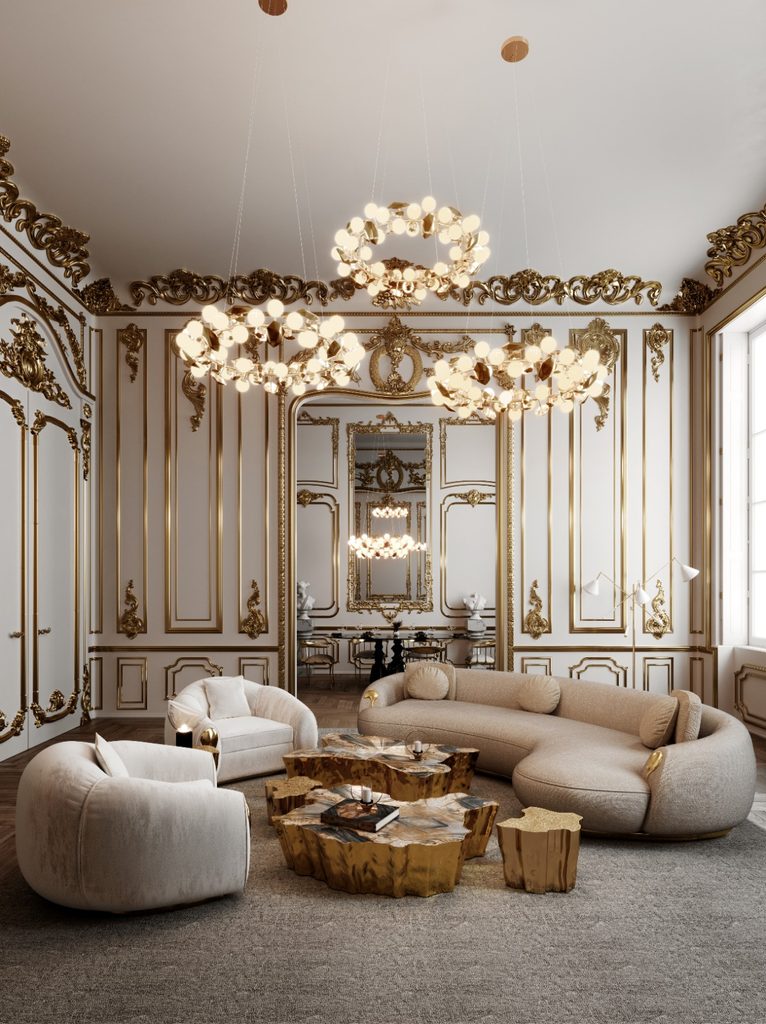
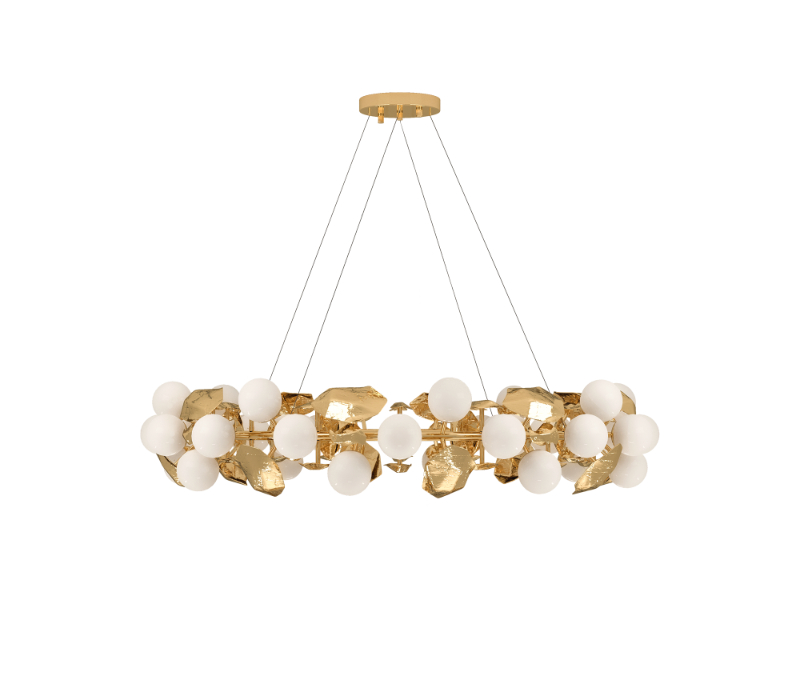
Pietra Dining Table, Hera Round Chandelier & Eden Center Table



Rich Materials and Sophisticated Details
Materiality plays a central role. Marble, natural stone, wood, glass and metals are frequently combined to create contrast and depth.
Instead of excessive decoration, Italian interiors often rely on tactile surfaces, elegant finishes and subtle details. This creates spaces that feel luxurious while remaining balanced and timeless.
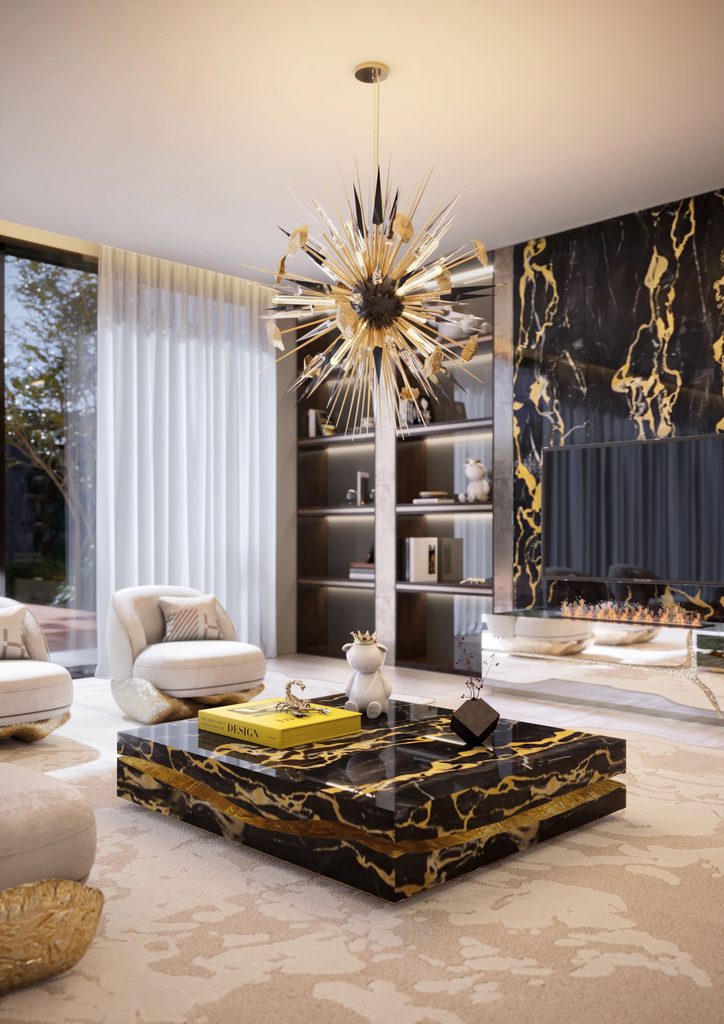
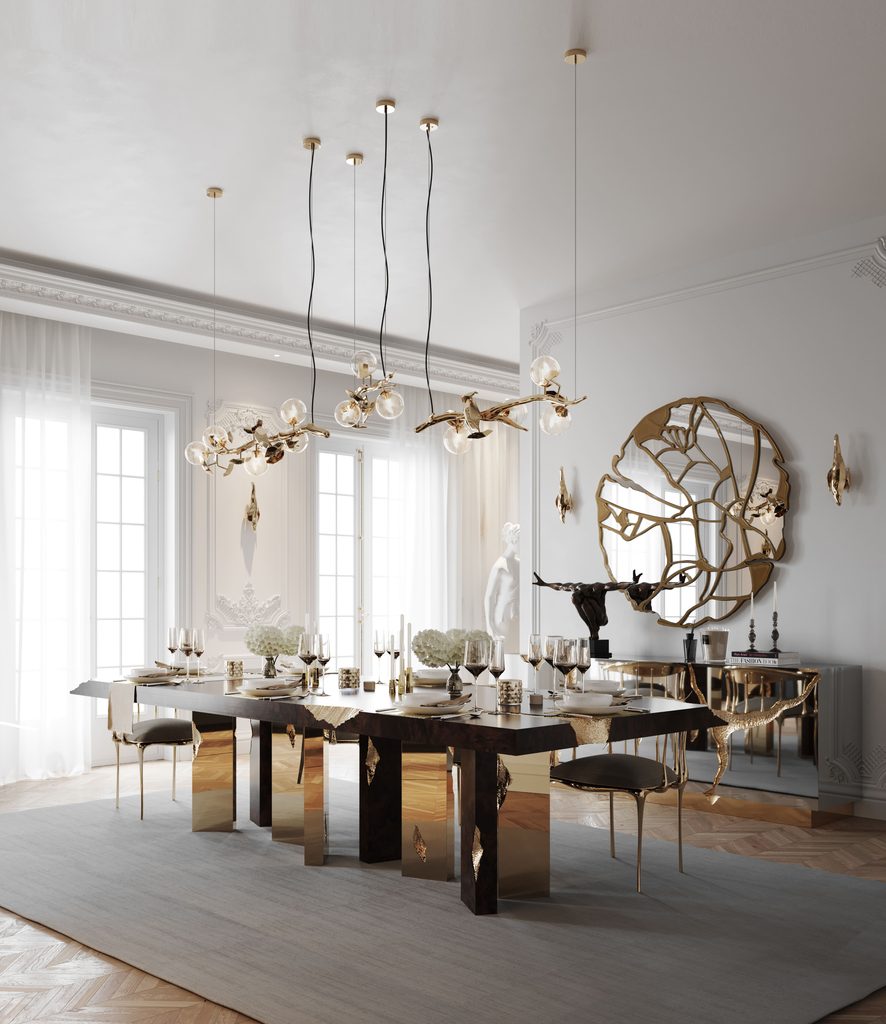
Quarry Center Table & Empire Dining Table
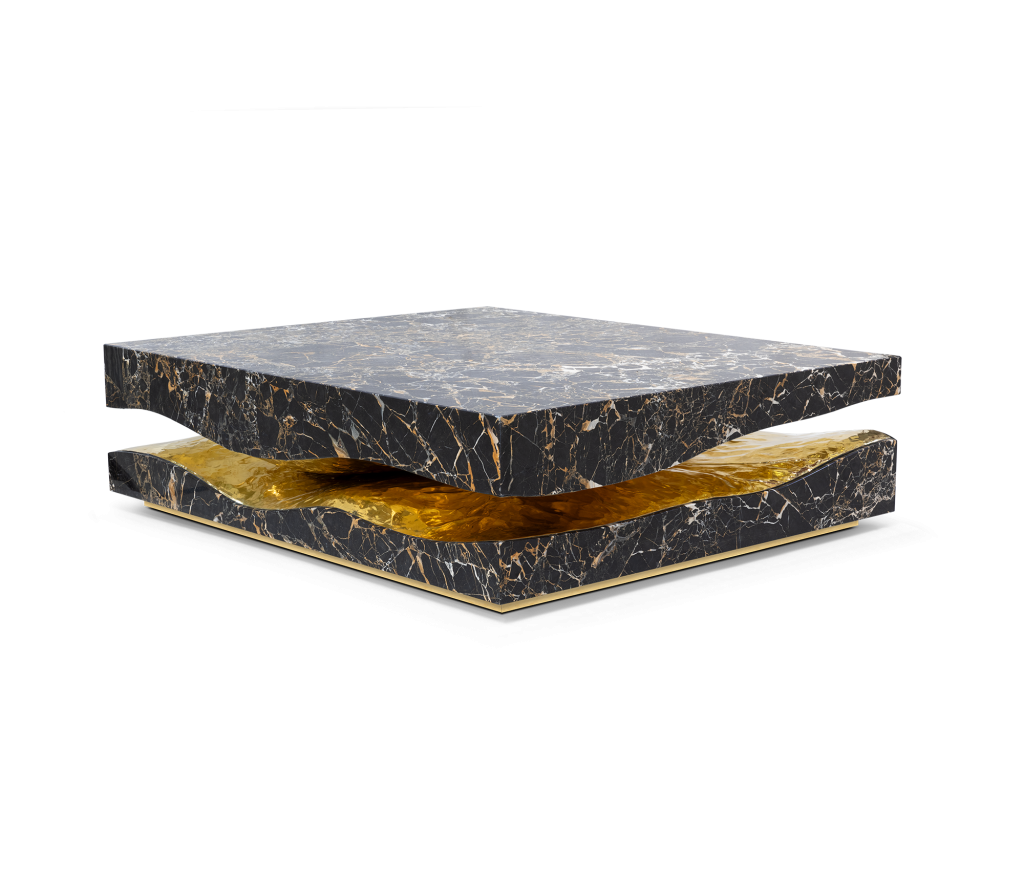

Contemporary Italian Elegance
Contemporary Italian interior design often combines clean architectural lines with expressive forms. Neutral palettes may be enriched with deep tones, sculptural furniture or carefully selected decorative elements.
Lighting is equally important, helping define architectural features and creating a layered atmosphere. The result is an interior that feels curated rather than overly decorated.
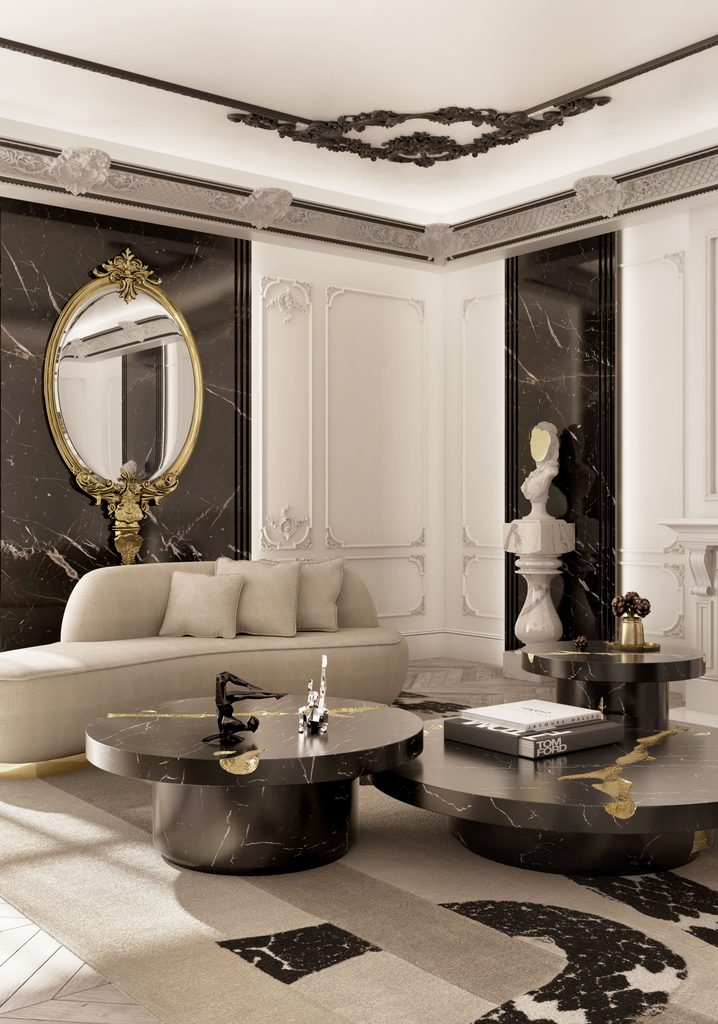
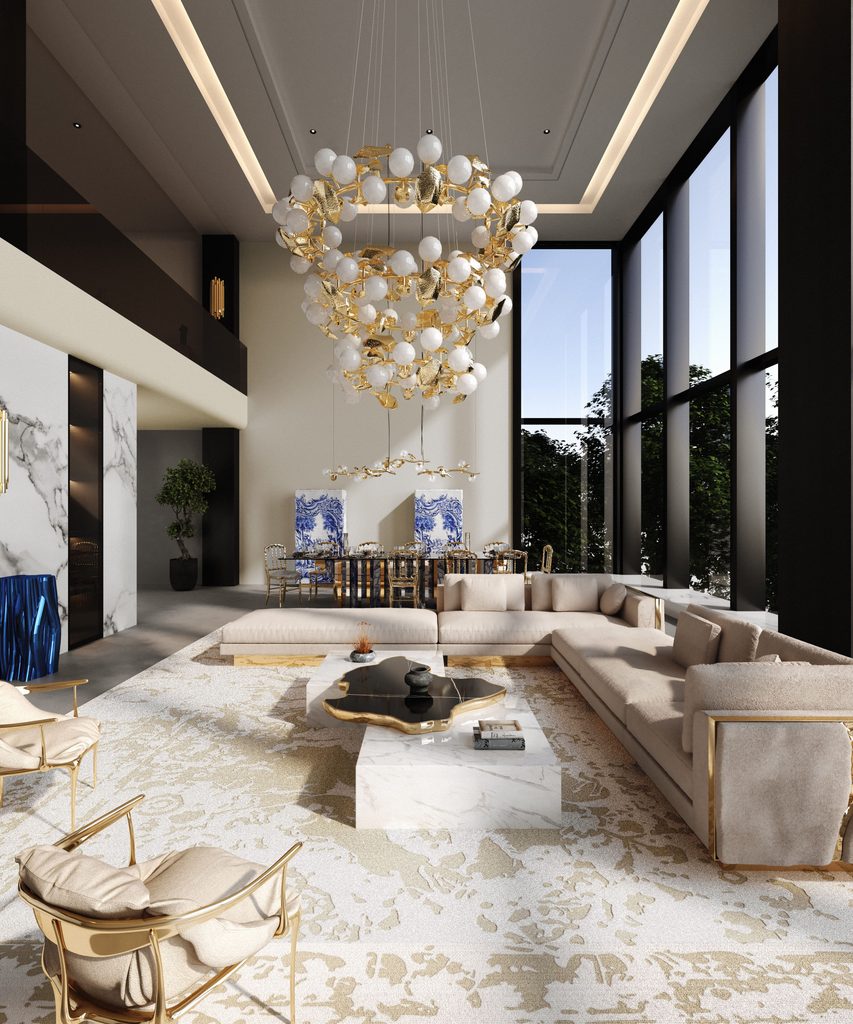
Empire Center Table & Lapiaz Sofa


Timeless Italian Style
The appeal of this design comes from its ability to evolve without losing its identity. By combining architectural heritage, sophisticated materials, contemporary forms and thoughtful details, Italian design creates interiors that remain relevant beyond seasonal trends.
It is this balance between tradition, innovation and understated luxury that continues to make Italian design an influential reference in contemporary interiors.
See Also: Old Money Style: 9 Italian Hotels That Define Timeless Luxury