Few places in the world embody art and history as magnificently as the Louvre Museum in Paris. Standing proudly on the banks of the River Seine, the Louvre is not only the most visited museum in the world but also a living monument to centuries of creativity, power, and human genius. From the legendary Mona Lisa to the treasures of Napoleon Bonaparte, every room tells a story of cultural evolution and artistic mastery.
Article You’ll Love: Cheval Blanc Paris: A Timeless Symphony of Architecture, Art, and Parisian Elegance

Located on the right bank of the Seine River in Paris, the Louvre Museum is not only one of the most visited cultural landmarks in the world—it is a historic institution where art, history, and architecture converge. Combining a rich past with a global collection of masterpieces, the Louvre attracts millions of visitors annually, making it a benchmark in the art world.
A Royal Fortress Turned Cultural Icon
The Louvre’s story begins in the late 12th century, when King Philip II built a medieval fortress to protect Paris from invaders. Over time, French monarchs transformed this fortress into a royal residence, expanding it into a symbol of wealth and prestige.
In 1546, King Francis I — an avid patron of the arts — commissioned the Renaissance-style palace we recognize today. He was also responsible for acquiring Leonardo da Vinci’s Mona Lisa, a decision that would forever shape the museum’s legacy.
By 1682, King Louis XIV moved his court to Versailles, and the Louvre began to evolve from royal palace to cultural space. The Louvre Museum officially opened its doors to the public on August 10, 1793, during the French Revolution, displaying over 500 artworks seized from royal and church collections.
The Transformation of the Louvre Museum
Over the centuries, the Louvre has undergone constant transformation. Under Napoleon Bonaparte, the museum was renamed the Musée Napoléon and expanded with countless artworks brought from his military campaigns across Europe. While many of these treasures were later returned, the Louvre’s reputation as a powerhouse of global art was firmly established.
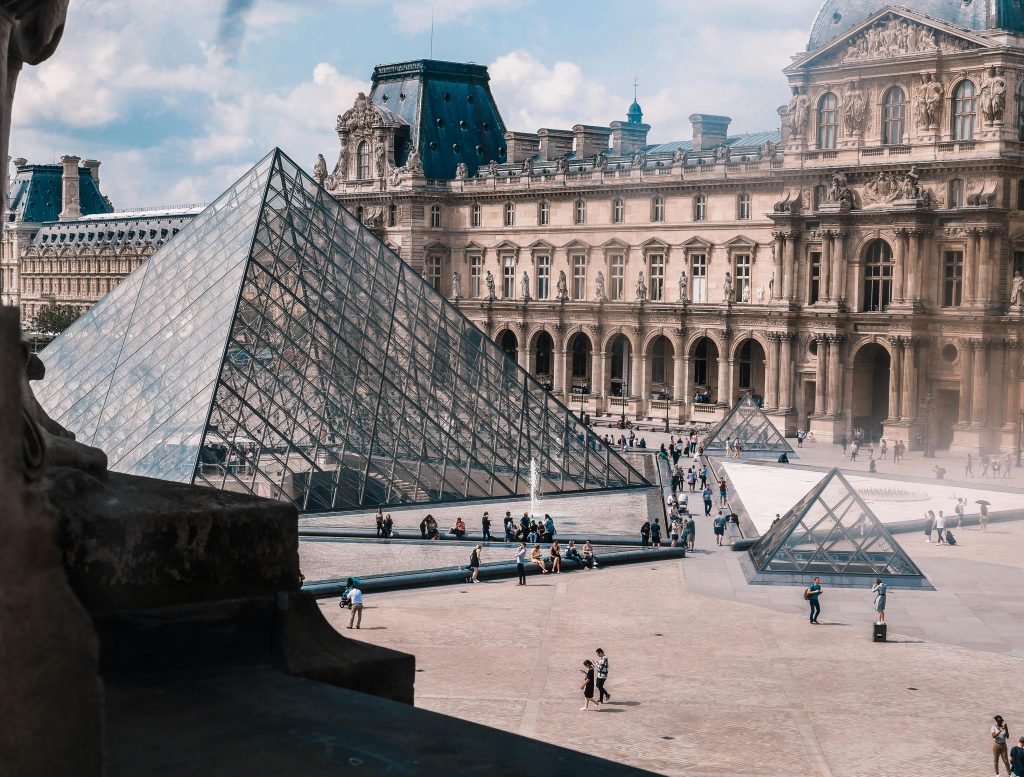
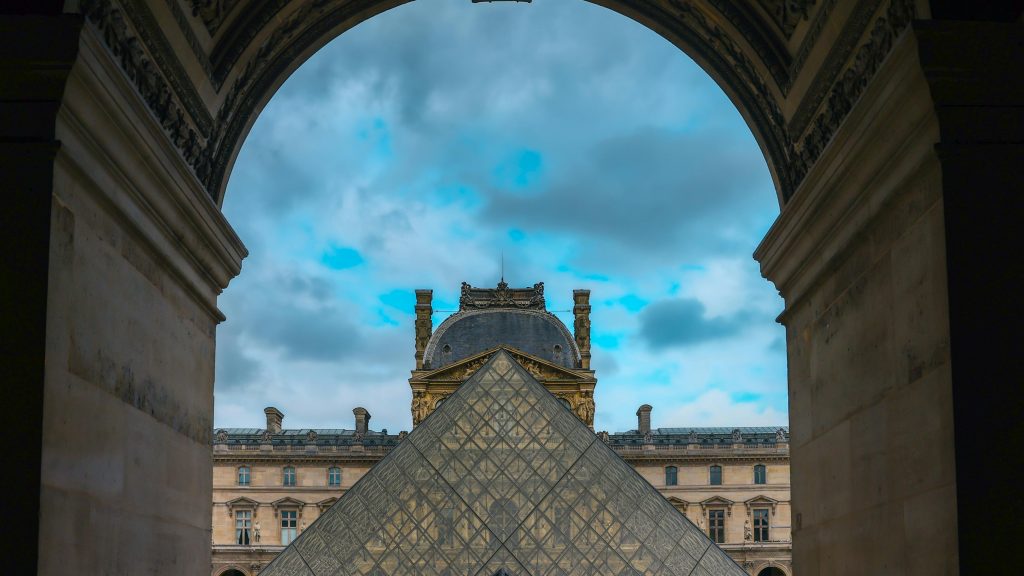
In 1989, architect I. M. Pei added a bold modern touch to the museum’s classic design: the glass pyramid in the main courtyard. Initially controversial, it has since become one of the most recognizable landmarks in Paris and a symbol of the Louvre’s perfect balance between tradition and innovation.
Masterpieces You Must See
With over 35,000 artworks on display, planning a visit to the Louvre can be overwhelming. Yet a few masterpieces stand out — not only as artistic triumphs but also as top-searched attractions for anyone exploring things to do in Paris museums.
The Mona Lisa
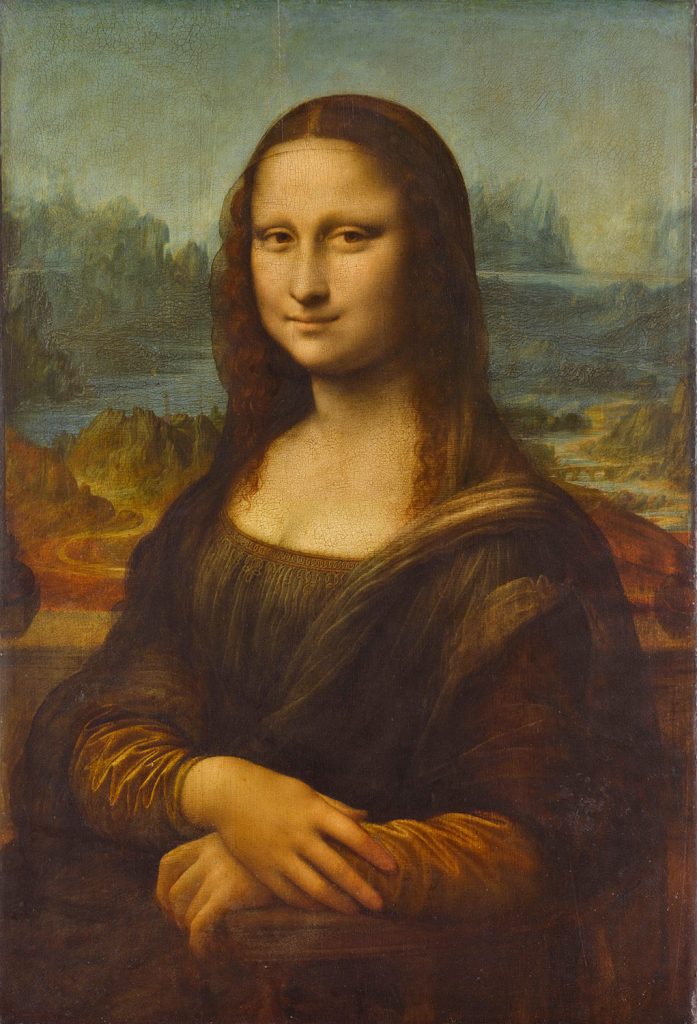
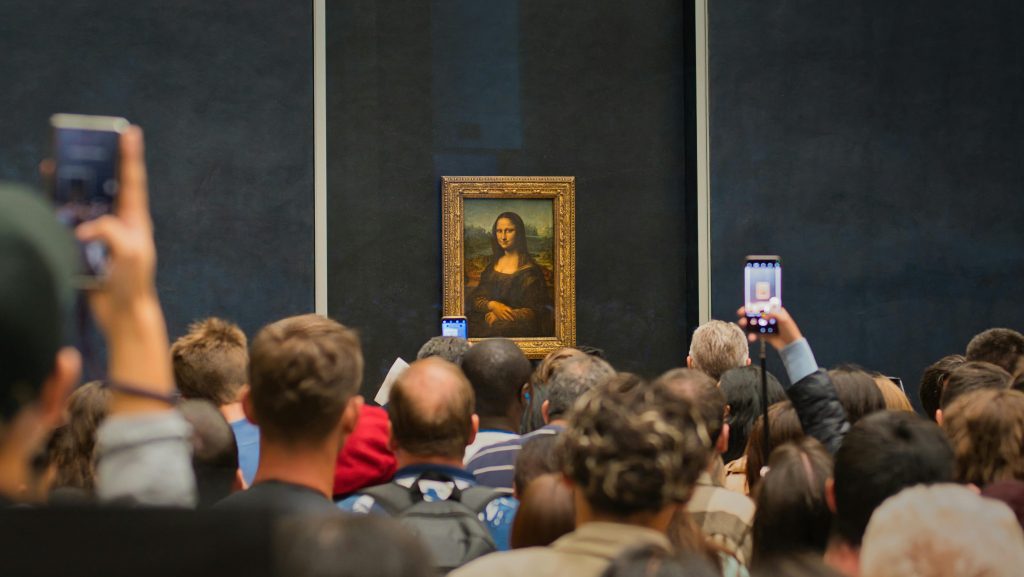
No visit is complete without seeing Leonardo da Vinci’s enigmatic Mona Lisa. Painted between 1503 and 1519, her mysterious smile continues to fascinate millions of visitors each year. Despite her modest size, she remains the most famous painting in the world and the heart of the Louvre’s collection.
Venus de Milo
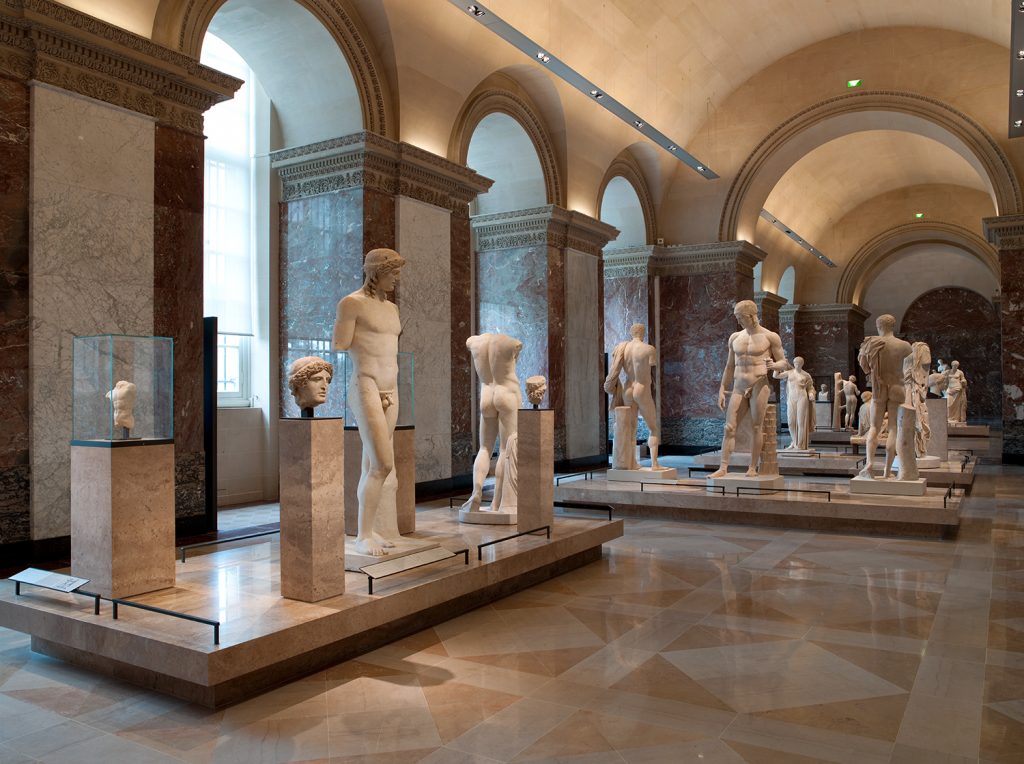
Carved around 100 BC, the Venus de Milo represents the ideal of classical beauty. Discovered on the Greek island of Milos in 1820, this sculpture of the goddess Aphrodite is one of the museum’s greatest treasures.
Winged Victory of Samothrace
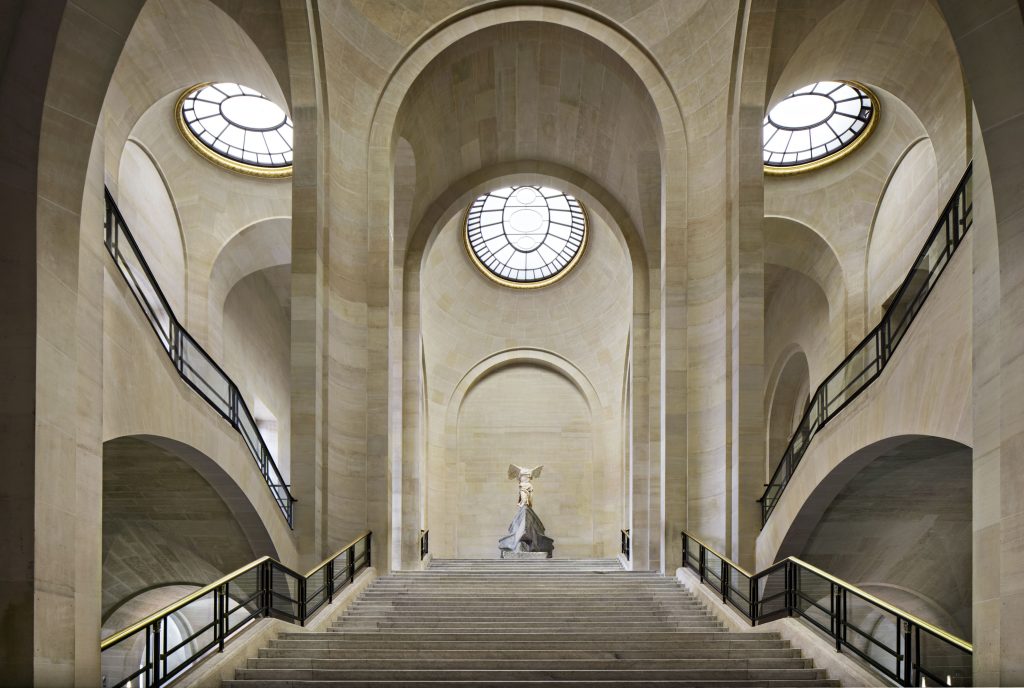
This Hellenistic masterpiece, dating from around 190 BC, depicts the Greek goddess Nike and once crowned the prow of a ship. Placed dramatically at the top of the Daru staircase, it’s one of the Louvre’s most breathtaking sights.
Napoleonic Apartments and Crown Jewels
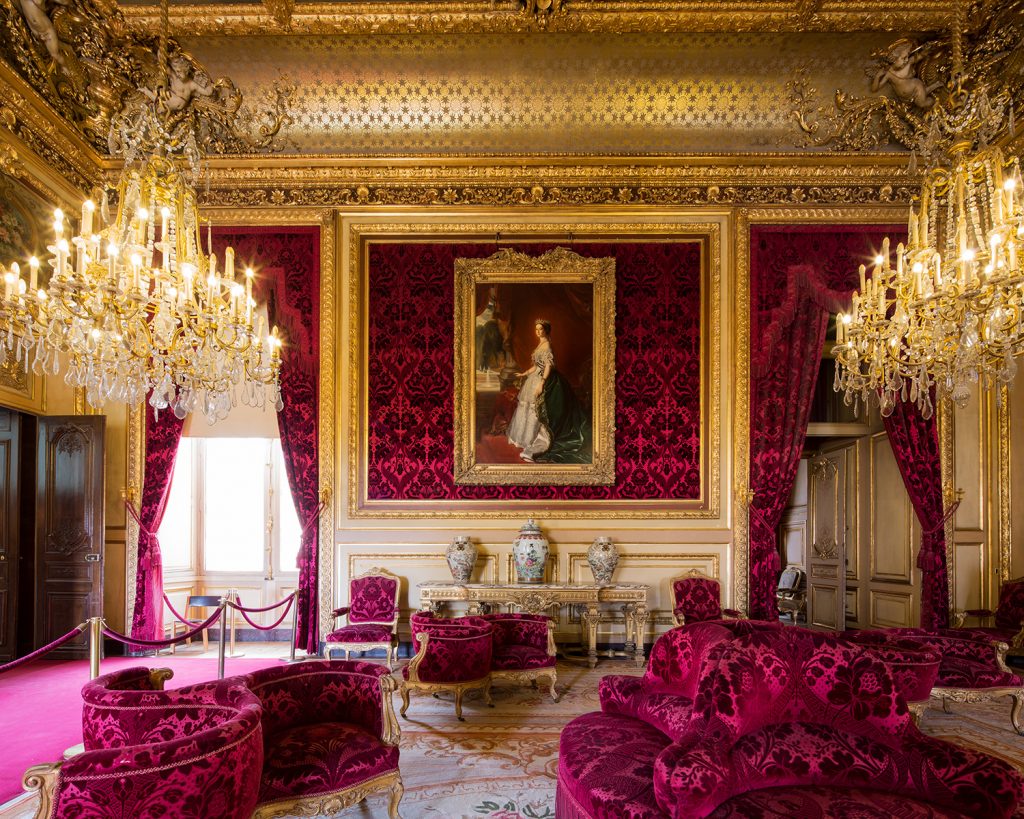
The lavishly decorated Napoleon III Apartments showcase the opulence of 19th-century France — gilded furniture, chandeliers, and priceless tapestries. Visitors can also admire Napoleon’s crown jewels and imperial treasures, key highlights for anyone interested in European history and luxury design.
Exploring the Louvre in 2025
As one of the best art museums in Paris, the Louvre continues to expand its offerings for art lovers. In 2025, visitors can look forward to new Louvre exhibitions focusing on Renaissance masterpieces, Egyptian antiquities, and modern dialogues between classical and contemporary art.
Here are some tips for making the most of your visit:
- Book tickets online in advance to skip the long queues — searches for Louvre tickets Paris 2025 are at an all-time high.
- Start early or visit in the evening to enjoy a quieter experience.
- Use the interactive map or guided tour app to plan your route. The museum is vast, and it’s impossible to see everything in one day.
- Don’t miss the Cour Napoléon and the Pyramid entrance, especially at sunset when the glass reflects the golden Parisian light.
Why the Louvre Still Matters
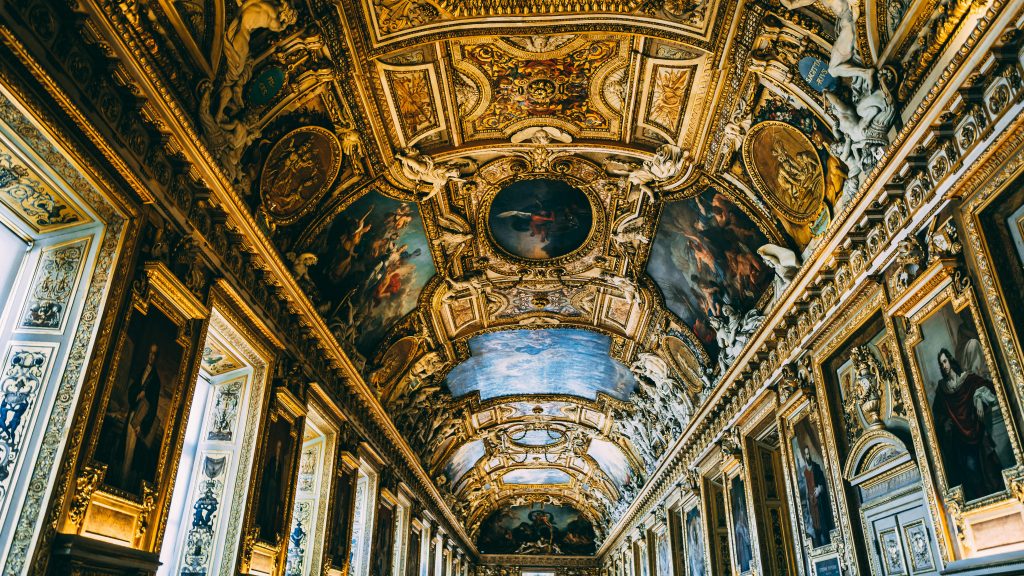
Beyond its vast collection, the Louvre remains a living dialogue between the past and the present. It continues to inspire new generations of artists, designers, and thinkers. Whether you’re an art historian, a casual tourist, or a collector attending events like Art Basel Paris, visiting the Louvre offers a profound connection to the universal story of art.
The museum’s commitment to accessibility, education, and conservation ensures that it remains not just a repository of masterpieces but a cultural heartbeat of Paris.


The Louvre Museum is more than a building — it’s a journey through time, beauty, and human achievement. From its origins as a medieval fortress to its current role as the world’s leading art museum, the Louvre captures the essence of France’s artistic soul. Whether you stand before the Mona Lisa, explore the treasures of Napoleon, or simply wander through its grand halls, one truth becomes clear:
Every corner of the Louvre tells a story worth remembering.
See Also: Art Basel Paris 2025: A Premier Contemporary Art Fair at the Grand Palais