Across the Arab world, a new generation of designers is creating interiors where heritage, craftsmanship and contemporary design meet. These female Arab interior designers are not simply responding to global design trends. Many are developing their own visual languages through regional materials, traditional techniques, architecture and cultural memory.
Here are 10 female Arab interior designers whose work offers a compelling view of contemporary design across the region.
See Also: Wood in Luxury Design: The Trend Defining Timeless Elegance

Reimagining Heritage
Shahira Fahmy
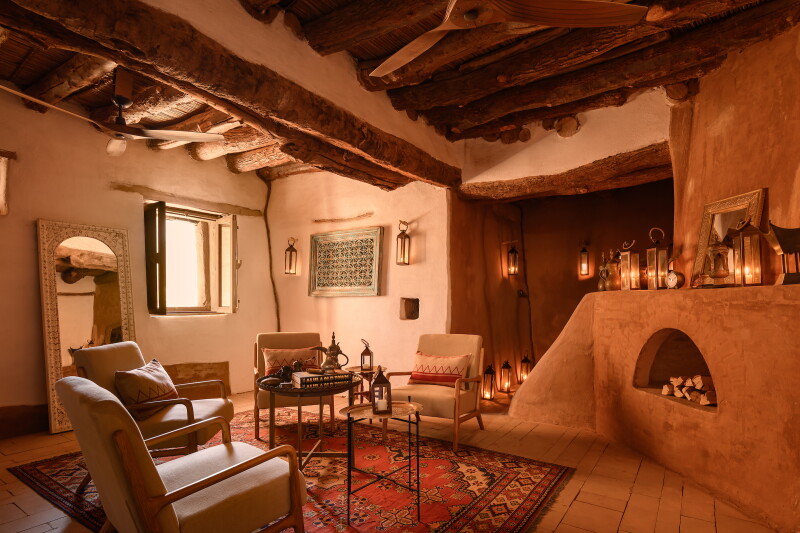
Cairo-based architect and designer Shahira Fahmy founded her practice in 2005, developing a body of work shaped by architecture, history, and place. Her approach often explores how traditional materials and techniques can be incorporated into contemporary spaces. Her work in AlUla, Saudi Arabia, including Dar Tantora The House Hotel, demonstrates this philosophy through the use of traditional mudbrick architecture within a modern hospitality setting.
Aljoud Lootah
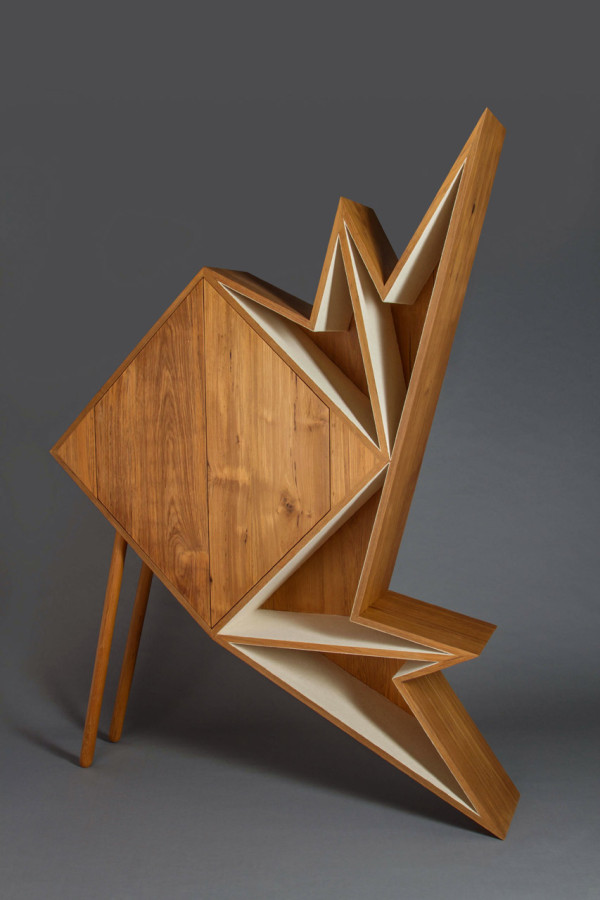
Dubai-based designer Aljoud Lootah has spent her career exploring what contemporary Emirati design can represent today. Rather than reproducing traditional motifs literally, Lootah deconstructs familiar cultural references and translates them into modern forms. Her work frequently explores geometry, function, and the rituals associated with Emirati life.
Since establishing her studio in 2014, Lootah has expanded her practice across furniture, interiors, exhibitions, and collaborations. Her work demonstrates how cultural heritage can be transformed into contemporary design without losing its original identity.
Craftsmanship Meets Contemporary Luxury
Nada Debs
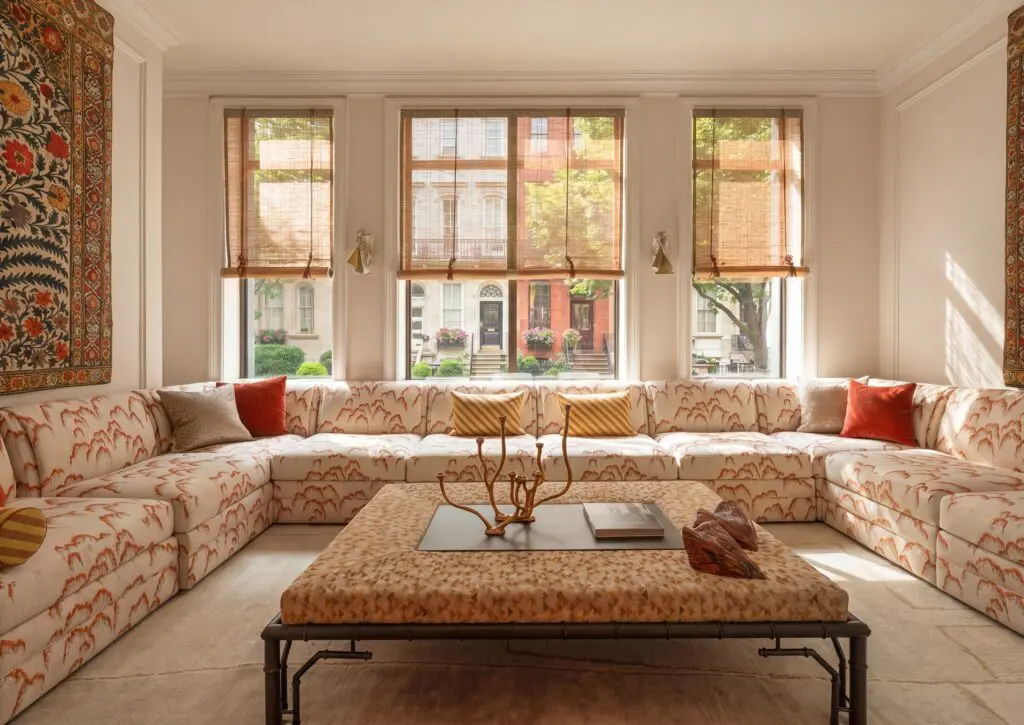
Lebanese designer Nada Debs grew up in Japan before studying interior architecture at the Rhode Island School of Design. Her multicultural background strongly influences her approach, particularly her interest in combining contemporary forms with traditional craftsmanship. Through her “Handmade and Heartmade” philosophy, Debs collaborates with artisans to create furniture, objects, and interiors where cultural heritage and modern luxury meet.
Karen Chekerdjian
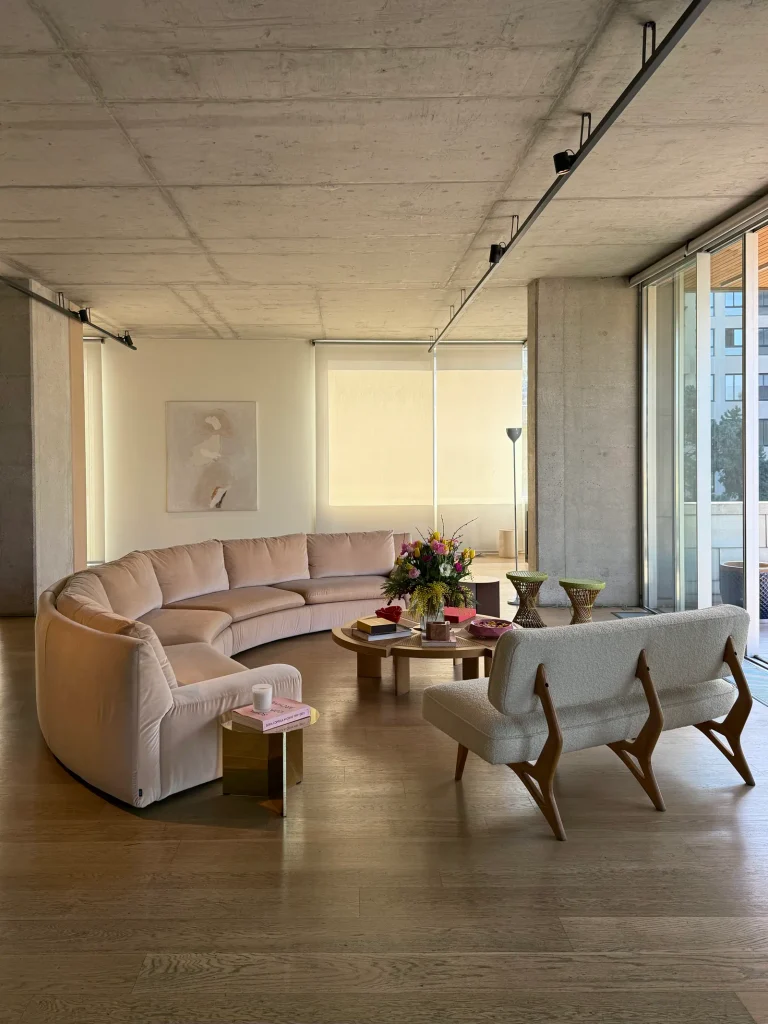
Beirut-based designer Karen Chekerdjian founded her studio in 2001 after studying industrial design at Milan’s Domus Academy and working with Italian designer Massimo Morozzi. Her practice places craftsmanship at its centre, collaborating with artisans to reinterpret traditional techniques through contemporary furniture and objects. Her work reflects a modern approach to Lebanese design while maintaining a strong connection to handmade production.
Materiality and Sense of Place
Yasmina Makram
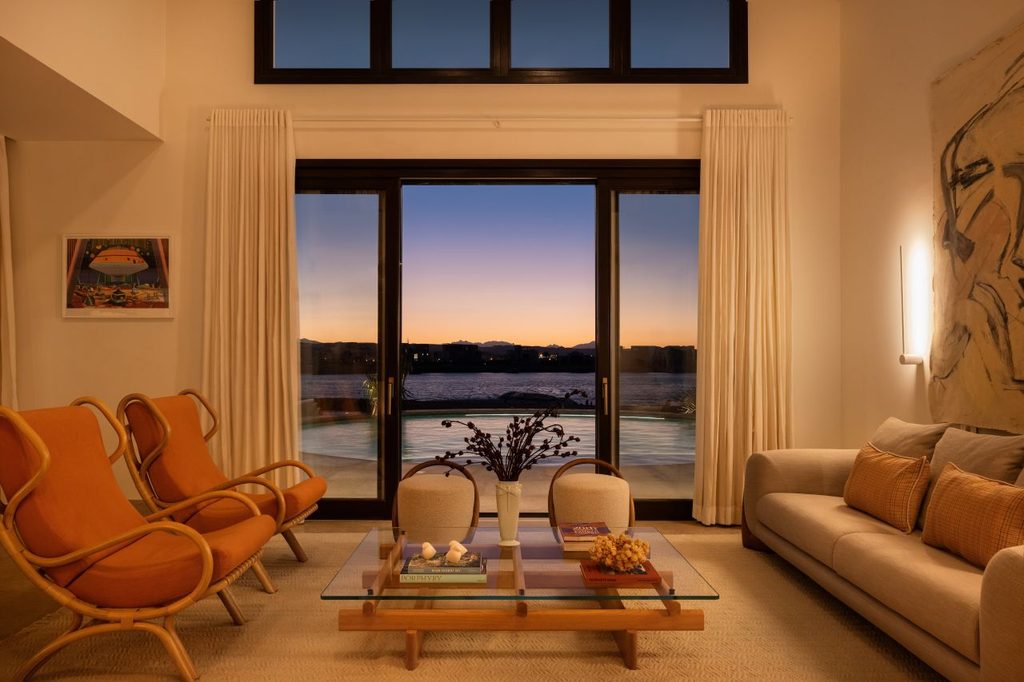
Cairo-based designer Yasmina Makram founded her studio in 2016, working across interiors, hospitality, and product design. Her projects are strongly influenced by their surroundings, with materials, architecture, and natural elements playing an important role. Her Dune House in El Gouna is a notable example, combining rammed earth, natural textures, and organic forms to create a strong relationship between architecture and landscape.
Chacha Atallah
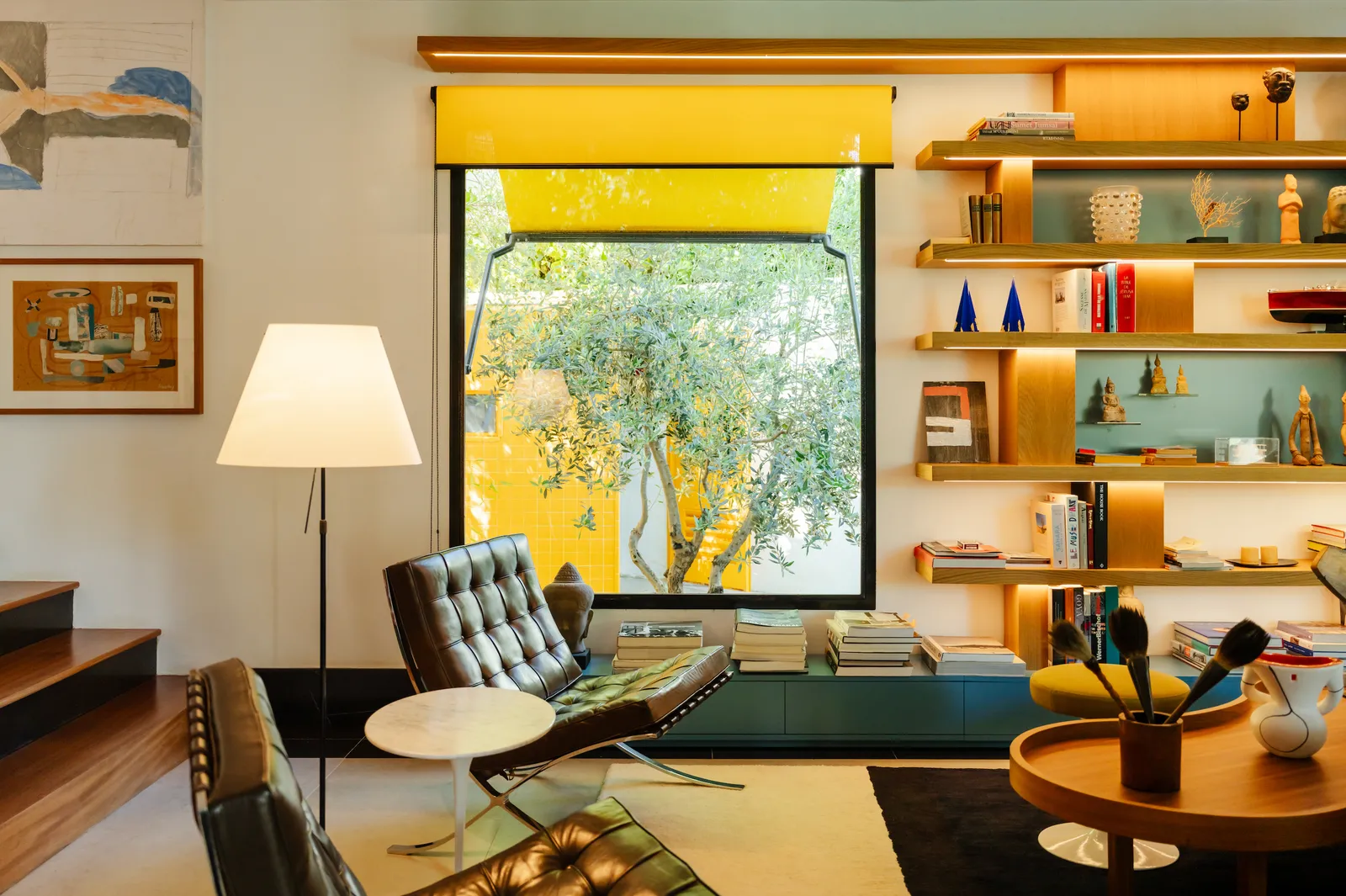
Tunisian designer Chacha Atallah brings a Mediterranean perspective to contemporary architecture and interiors. Working with materials such as terracotta, lime plaster, and colourful tiles, she incorporates traditional Tunisian craftsmanship into modern spaces. Alongside her architectural practice, she co-founded Bardo Collections, further exploring the relationship between contemporary design and local craftsmanship.
International Perspectives
Aline Asmar d’Amman
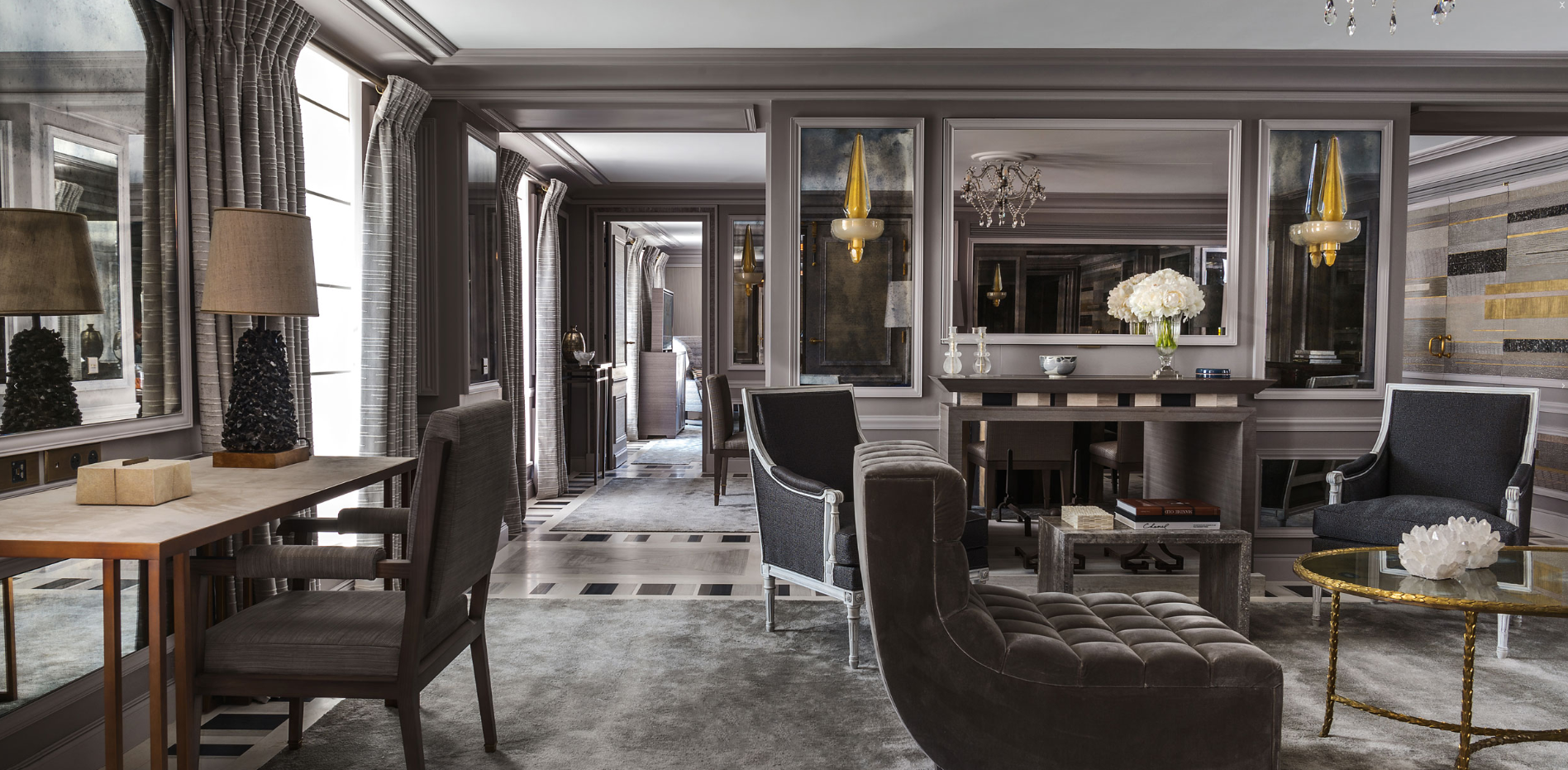
Lebanese designer Aline Asmar d’Amman has developed an international practice connecting architecture, art, heritage, and luxury. Through Culture in Architecture, she has worked on prestigious projects including the Hôtel de Crillon in Paris, Le Jules Verne at the Eiffel Tower, and projects for Chanel and Orient Express. Her interiors are characterised by rich materials, historical references, and carefully layered compositions.
Ghyda Kanaan
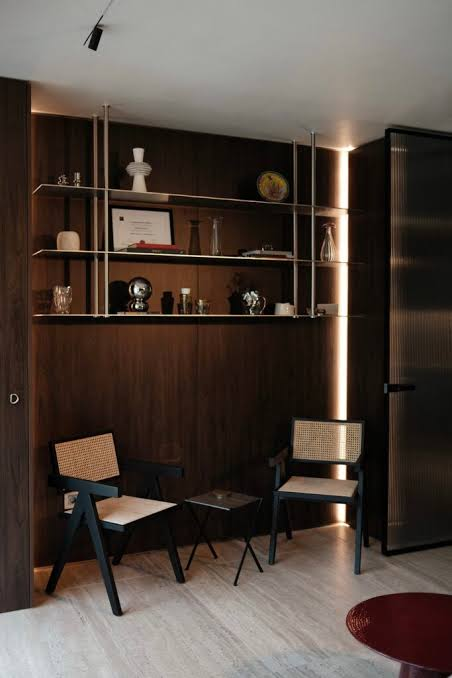
Beirut-born designer Ghyda Kanaan studied product design at ALBA before moving to Milan to pursue a master’s degree in interior design. Her experience in Italy exposed her to the history of Italian design, particularly mid-century modernism and the expressive aesthetics of the 1970s.
Her work combines these international references with memories, rituals, and cultural influences from Lebanon. Working between Beirut and Madrid, her studio explores the contrast between nostalgia and contemporary living. Projects such as the Mensa restaurant in Beirut illustrate her ability to combine rich materials, vintage elements, and contemporary forms into highly atmospheric interiors.
Contemporary Arab Design Beyond Borders
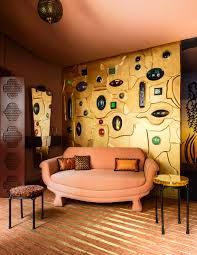
Léa Zeroil
With roots in Morocco and Corsica, Léa Zeroil developed her design practice after training in Paris and working with designers such as India Mahdavi and Laura Gonzalez. Founded in 2020, her studio works across interiors and furniture, with a particular focus on colour, craftsmanship, and sculptural forms. Her work demonstrates the growing connection between collectible furniture, interiors, and experiential design.
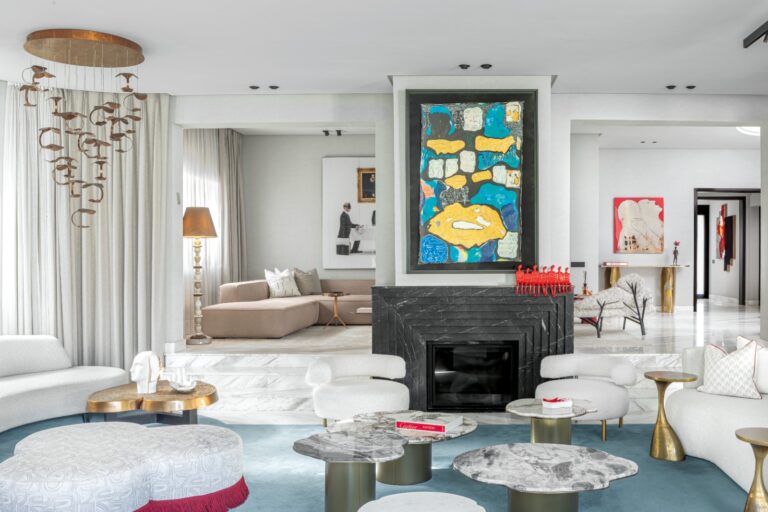
Hind Magoul
Casablanca-based designer Hind Magoul works across architecture, interiors, furniture, and art. Her practice frequently incorporates Moroccan craftsmanship through a contemporary lens, including collaborations that reinterpret traditional zellige techniques. By combining architecture with carefully considered furniture and materials, Magoul creates spaces that maintain a strong connection to Moroccan culture while embracing contemporary design.
What These Female Arab Interior Designers Tell Us About Contemporary Design
Although their approaches differ, these female Arab interior designers share an interest in translating cultural identity into contemporary spaces.
For some, this means working directly with traditional craftsmanship. For others, heritage appears through geometry, colour, architecture or the atmosphere of a place. The result is not one single definition of Arab interior design, but a diverse collection of interpretations.
This diversity is important. The contemporary Arab design scene stretches across North Africa, the Levant and the Gulf, with each region bringing its own materials, histories, crafts and architectural traditions.
What connects many of these practices is the idea that heritage does not need to remain static. It can be transformed through new materials, new technologies, new spatial uses and new forms.
That approach is particularly relevant to collectible design, where craftsmanship and cultural identity can become part of the value of an object or interior.
The work of these female Arab interior designers reflects a design landscape that is increasingly confident in its cultural identity while remaining connected to the international creative scene.
Their projects demonstrate different ways of approaching heritage: through materials, architecture, furniture, craftsmanship, colour, memory and spatial experience. Together, they show that contemporary Arab design is not defined by one aesthetic. Its strength lies in its diversity and its ability to transform history into something relevant to the present.
See also: Premium Projects: A Tribute to Visionary Design