There is a visual silence that defines true elegance. It is not built—it is inherited. Across Italy, a curated group of hotels embodies this rare condition known as old money style. These spaces do not seek attention; they command it through history, proportion, and craftsmanship. From Venetian palaces to Tuscan estates, each destination reflects a disciplined aesthetic where luxury is never announced, only felt. This is where old money style becomes a living language of architecture, design, and timeless hospitality.
See also: Blue Tiles as a Trend for Maximalism
1. Jumeirah Capri Palace
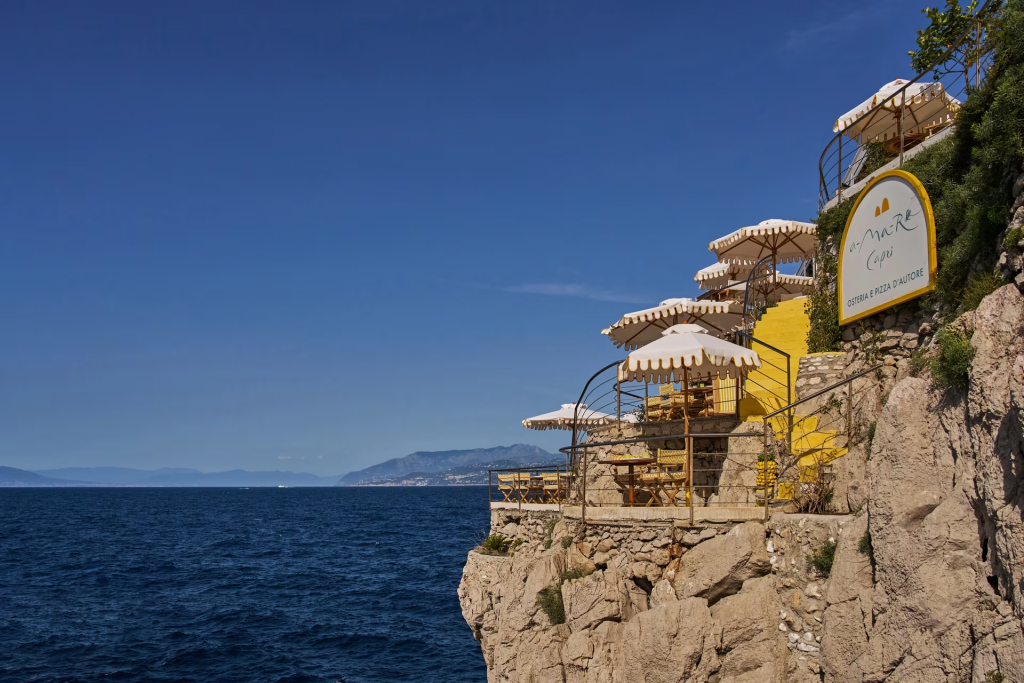
On Capri, elegance is sculpted by light and sea. The Jumeirah Capri Palace translates island life into refined minimalism, where white interiors and curated art define a contemporary interpretation of old money style. Every corridor feels intentional, every view framed like a private collection. It is a place where discretion becomes luxury and where Boca do Lobo’s sculptural philosophy would naturally belong.
2. Villa d’Este
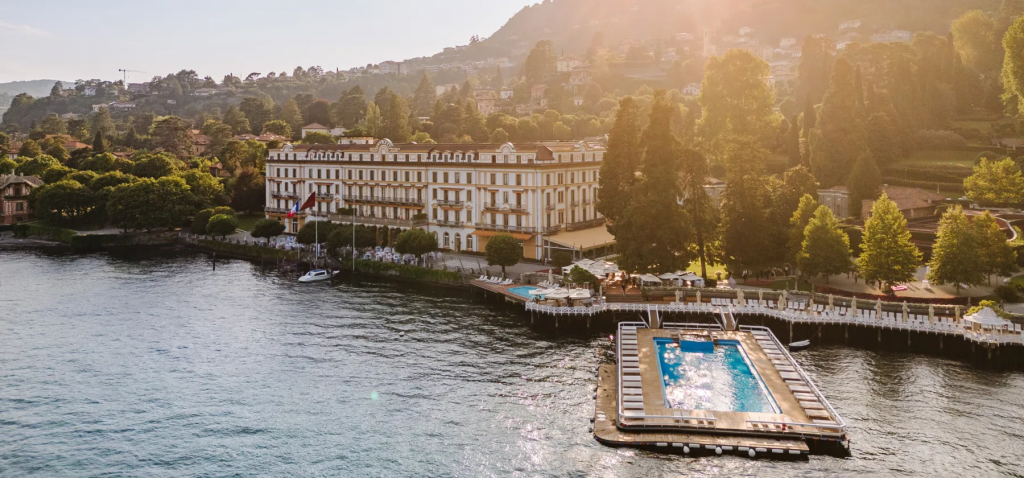
On the shores of Lake Como, Villa d’Este stands as a monument to Renaissance grandeur. Its gardens, mirrored waters, and aristocratic salons embody pure old money style, where heritage is preserved rather than performed. Interiors are layered with history, yet never heavy. Here, luxury is measured in silence, proportion, and permanence.
3. Hotel de Russie, a Rocco Forte Hotel

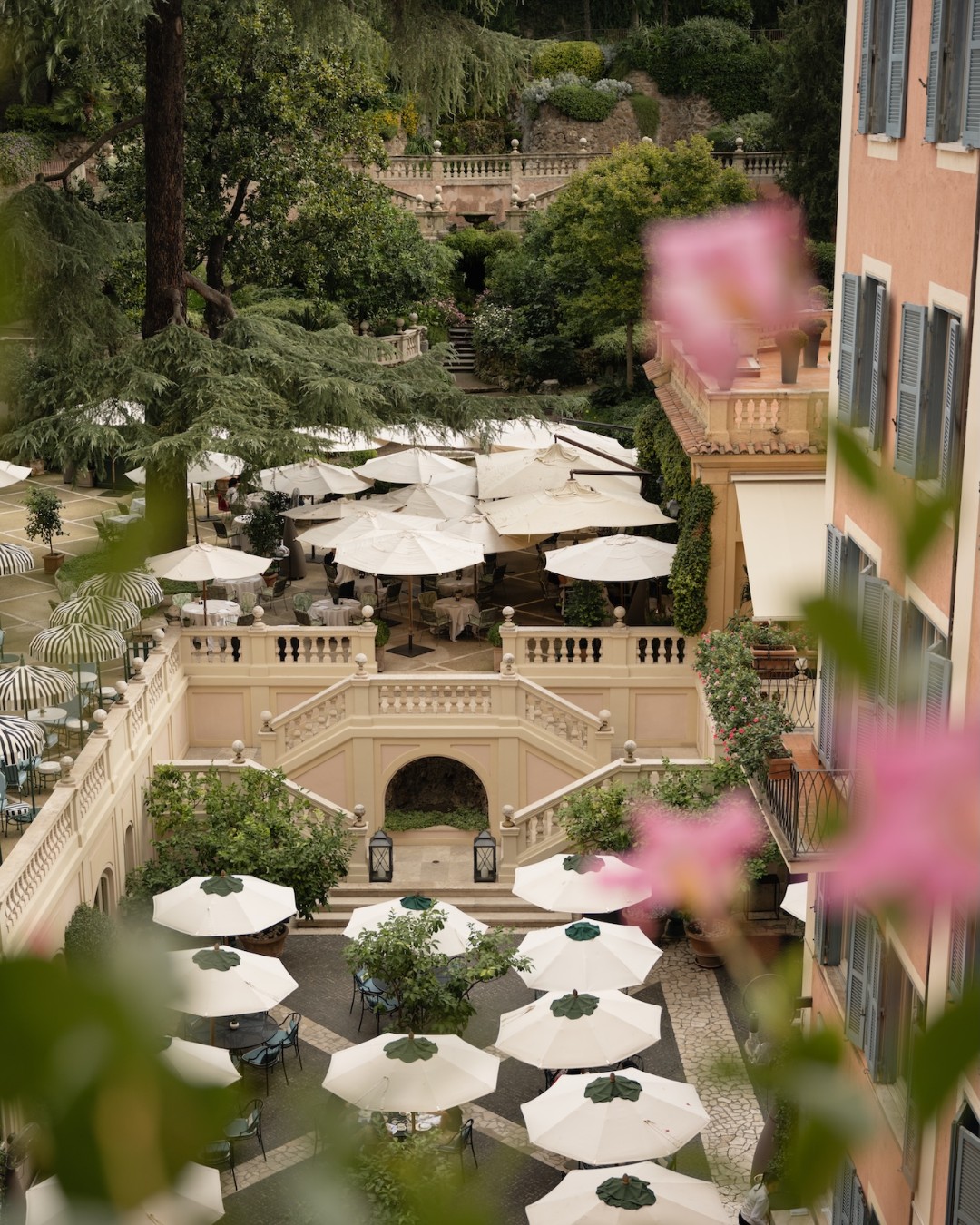
In Rome, the Hotel de Russie is a dialogue between urban energy and hidden serenity. Its secret gardens soften neoclassical architecture, creating a refined interpretation of old money style. It is Roman sophistication distilled—structured, cultured, and effortlessly composed. A setting where design and history coexist without competition.
4. San Domenico Palace, Taormina, a Four Seasons Hotel
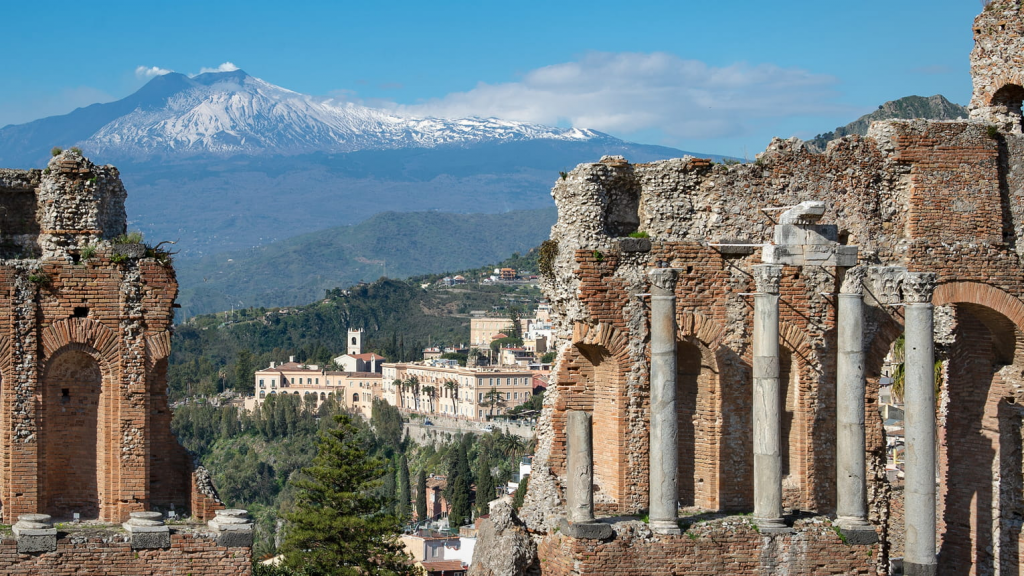
Perched above the Sicilian coastline, San Domenico Palace transforms monastic heritage into cinematic luxury. Stone corridors, ancient cloisters, and infinite sea views define a dramatic expression of old money style. It is not theatrical excess, but controlled grandeur—where time itself becomes the main architectural element.
5. COMO Castello del Nero
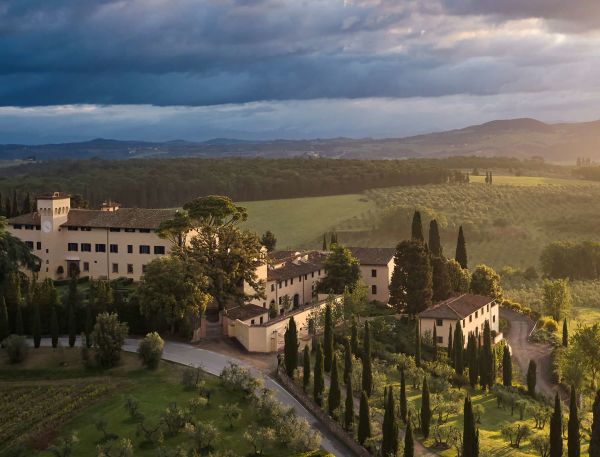
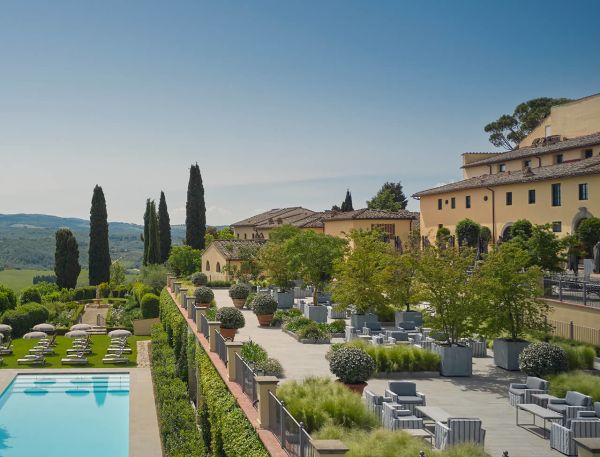
In the heart of Tuscany, COMO Castello del Nero merges medieval structure with contemporary refinement. Frescoed ceilings and restored halls reflect a deeply rooted old money style, where authenticity is preserved through restraint. Every space feels curated yet untouched, as if history itself curated the interiors.
6. Il Borro
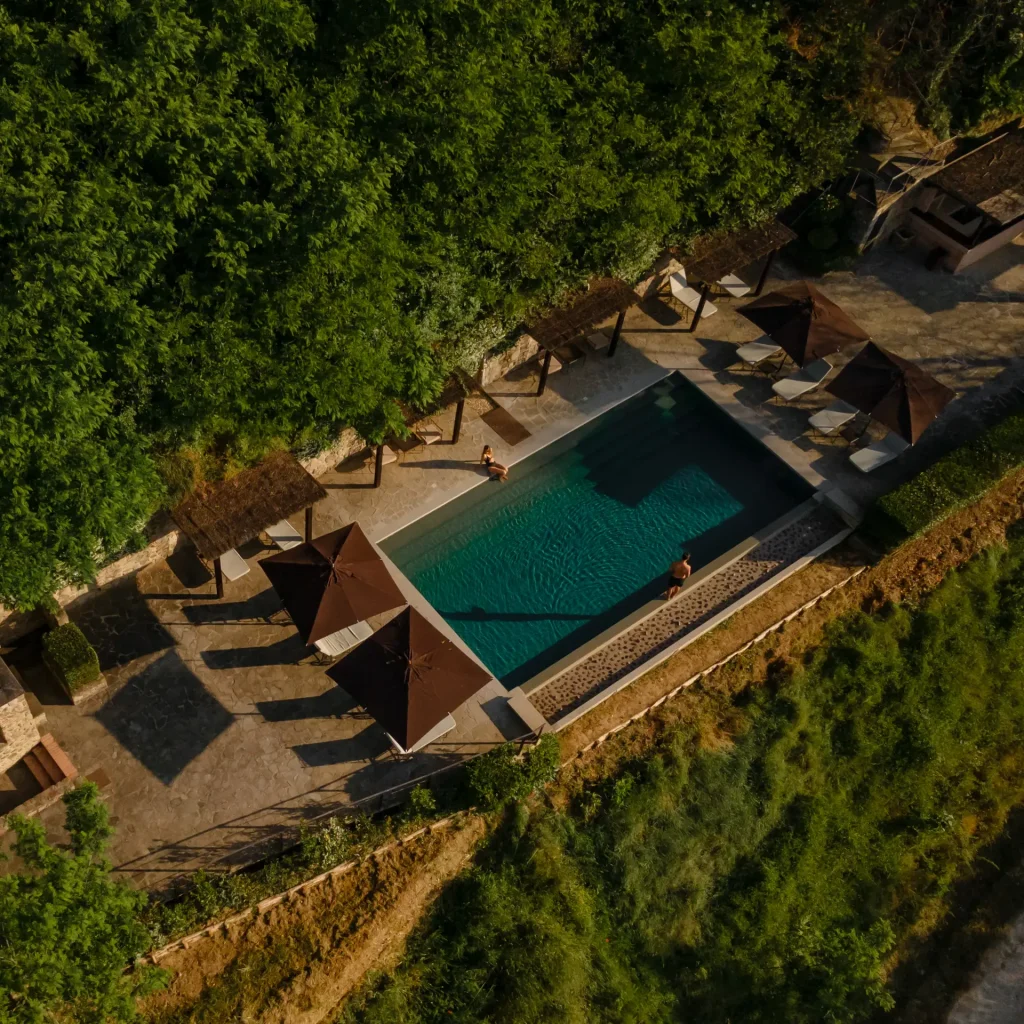
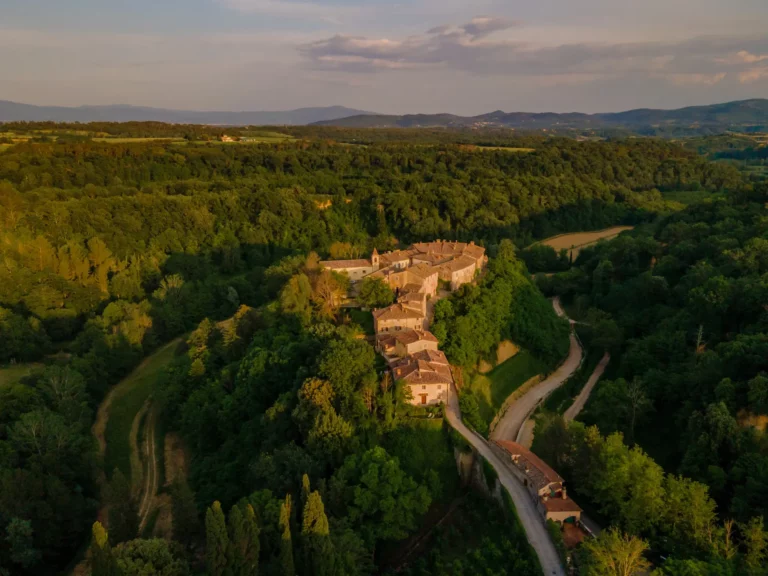
Il Borro is not simply a hotel—it is a living estate. Set in San Giustino Valdarno, it preserves centuries of Tuscan heritage while embracing modern elegance. Its essence of old money style lies in continuity: vineyards, stone villages, and handcrafted interiors that speak the language of permanence and legacy.
7. Palazzo Portinari Salviati Residenza d’Epoca
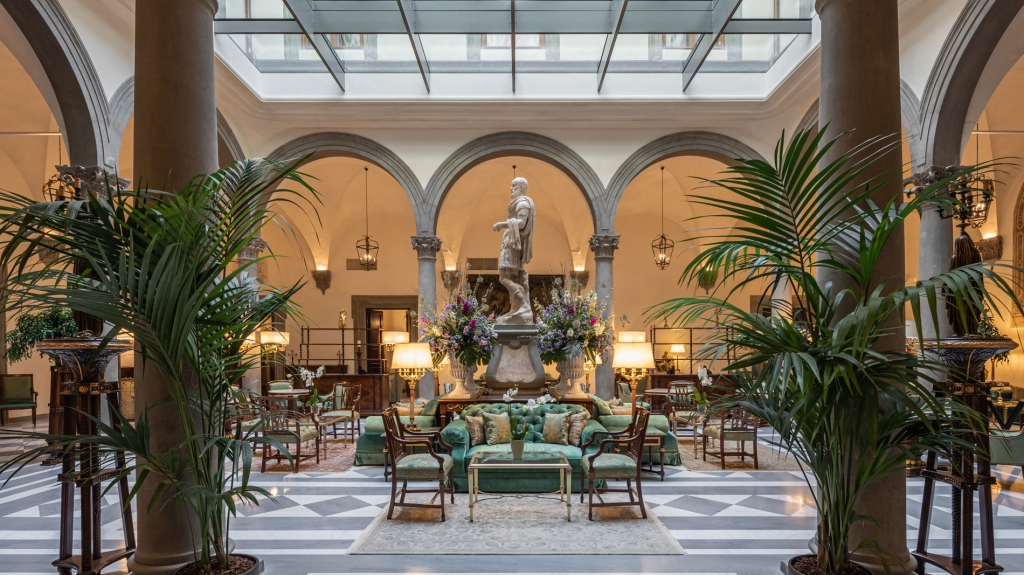
In Florence, Renaissance artistry finds a renewed voice. Palazzo Portinari Salviati embodies old money style through architectural preservation and intimate luxury. Frescoes, marble, and proportioned salons create an atmosphere where history is not observed—it is inhabited. A dialogue between heritage and contemporary refinement.
8. Borgo Santandrea
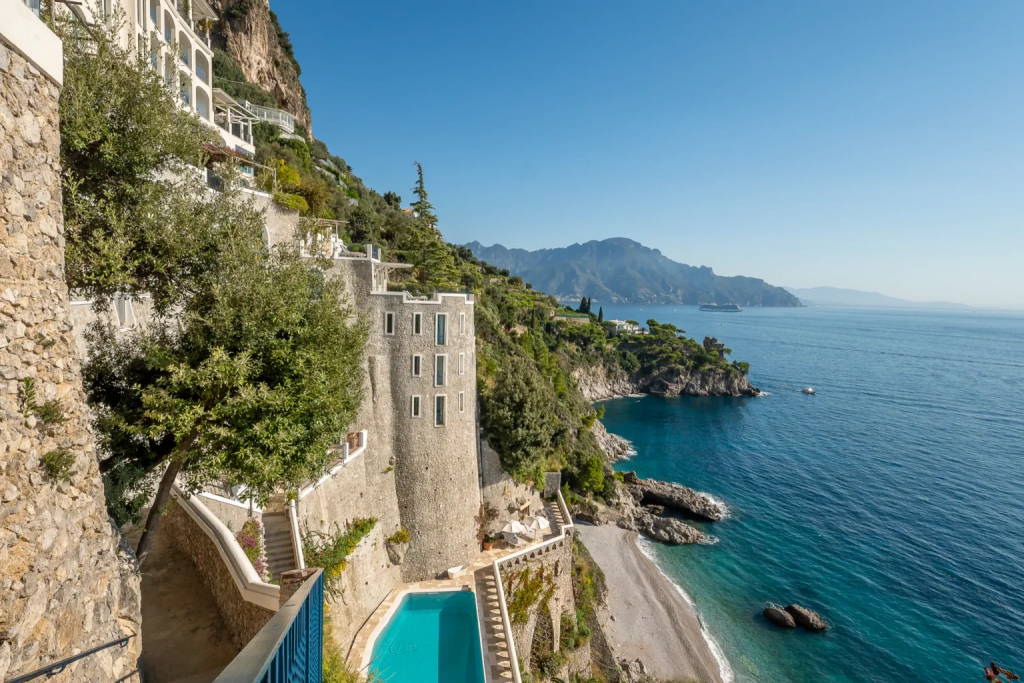
On the Amalfi Coast, Borgo Santandrea redefines coastal sophistication. Terraces open to endless horizons, while interiors remain disciplined and serene. This is old money style translated into Mediterranean light—minimal, architectural, and deeply elegant. Every detail serves the landscape rather than competing with it.
9. The Gritti Palace, a Luxury Collection Hotel
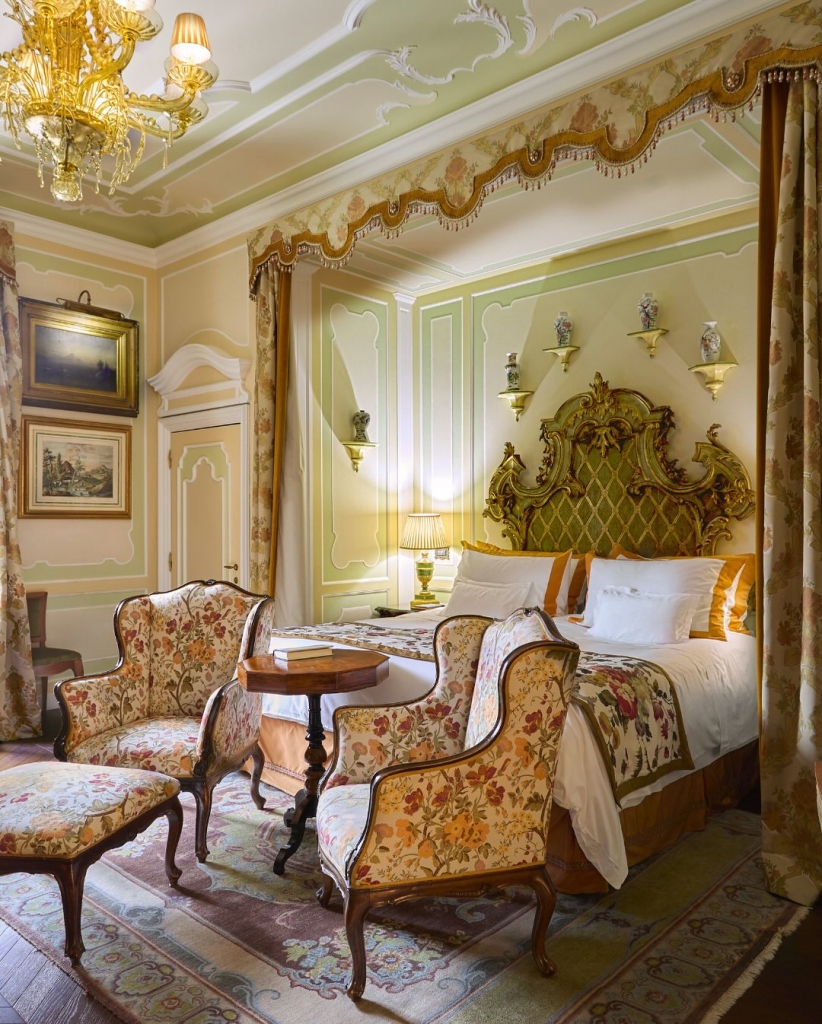

Venice reaches its most aristocratic expression at The Gritti Palace. Gilded salons, velvet textures, and canal views define an atmosphere of historical refinement. It is the purest embodiment of old money style, where every surface reflects centuries of cultural memory and discreet opulence.
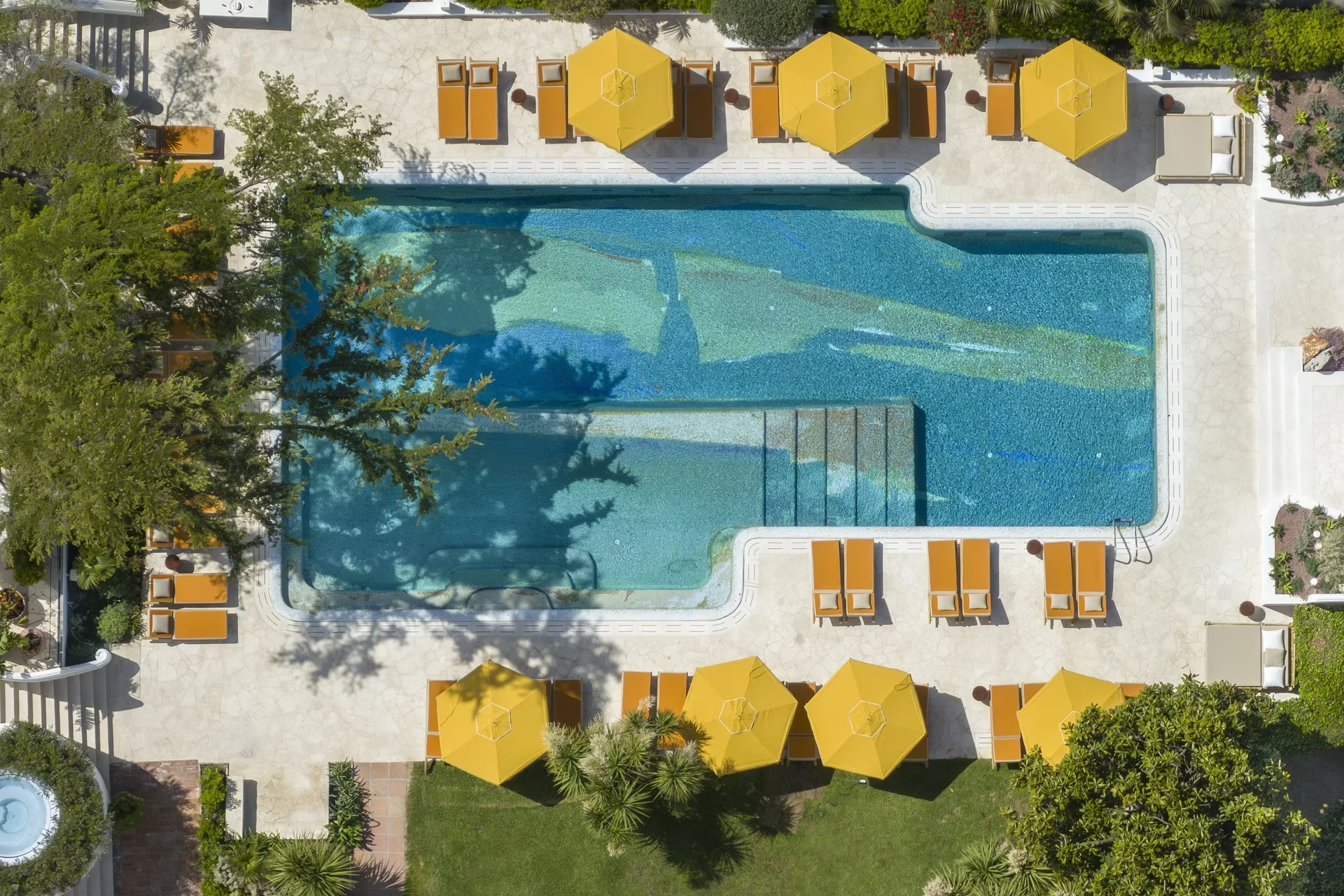
Across Italy, these nine destinations reveal a unified design philosophy rooted in continuity, heritage, and restraint. Each hotel expresses old money style not as decoration, but as identity—an architecture of permanence shaped by time.
From Capri to Venice, from Tuscan estates to Roman gardens, old money style defines a world where luxury is never loud, only inevitable. It is this same philosophy that resonates with Boca do Lobo’s vision of craftsmanship and artistic permanence.
To live within old money style is to understand that true luxury is not created overnight—it is inherited, preserved, and refined across generations.