“I like to observe details, and sometimes details are everything.”
More than a personal reflection, this phrase offers a glimpse into the creative universe of Camila Pimenta. It reveals an architect whose work is rooted not in spectacle, but in attention – attention to people, to materials, to light, and to the subtle elements that shape the way we experience a space.
See also: Vermelho Hotel: Christian Louboutin’s Artistic Retreat in Portugal
The Woman Behind the Studio
Based in São Paulo, Camila Pimenta has built a multidisciplinary practice spanning residential interiors, corporate environments, and experiential design. Yet beyond the diversity of projects, there is a clear thread connecting her work: a profound sensitivity to the relationship between people and their surroundings.
For Camila Pimenta, architecture is not simply the act of creating spaces. It is the art of understanding how those spaces will be lived.

A New Understanding of Luxury
Luxury is one of the most overused words in contemporary design. Often associated with excess, exclusivity, or visual impact, it can easily become detached from the people who inhabit a space.
Camila Pimenta offers a different interpretation.

In her work, luxury is found in balance. It is the comfort of a well-resolved floor plan, the warmth of natural materials, the quality of craftsmanship, and the feeling that every element has been carefully considered. It is not about adding more, but about knowing what truly matters.
This philosophy is evident throughout her residential portfolio, where sophistication never comes at the expense of comfort. Her interiors feel refined yet approachable, curated yet deeply personal.

Designing for Real Life
One of the most compelling aspects of Camila Pimenta’s work is her understanding that architecture is ultimately about people.
Before a project becomes an image, it becomes a conversation. How does a family gather? Where does someone find quiet at the end of the day? How can a home evolve alongside the lives of those who inhabit it?
These questions shape spaces that feel authentic rather than prescribed.


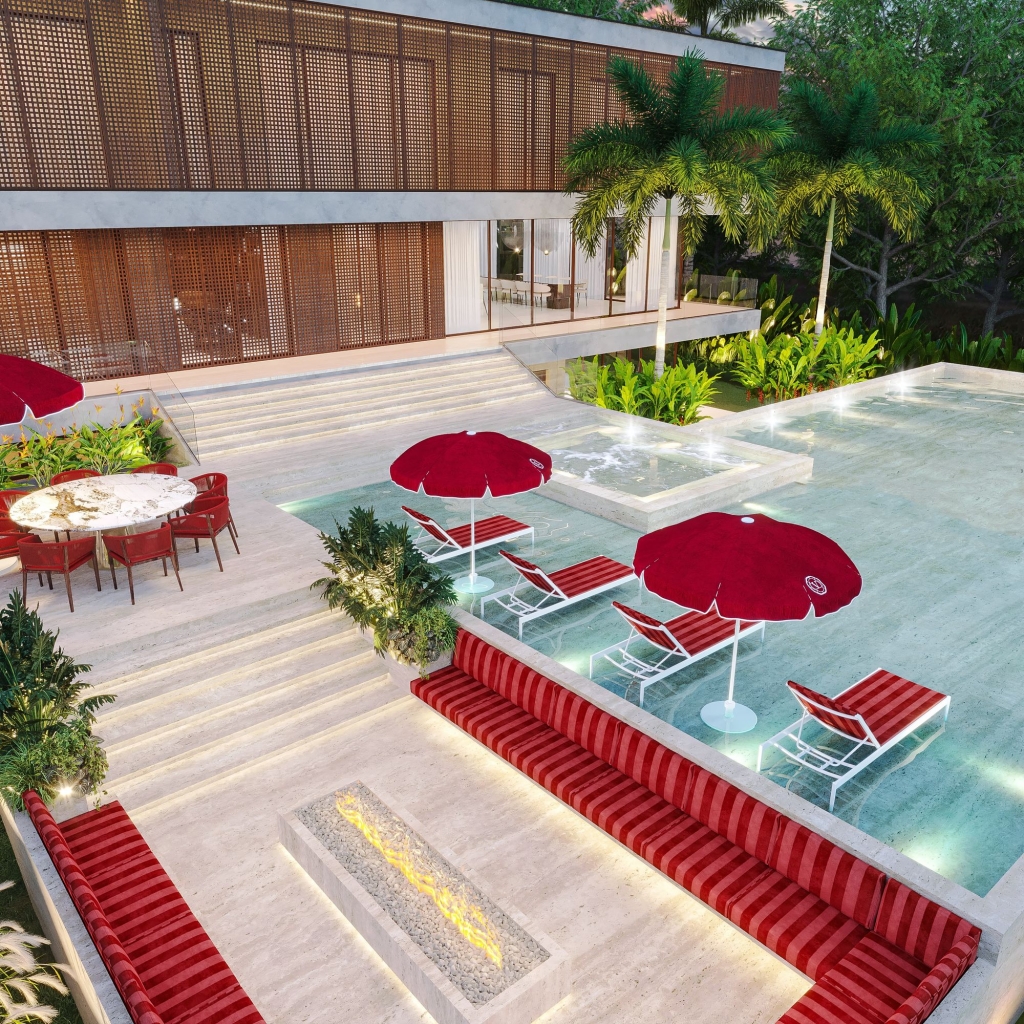
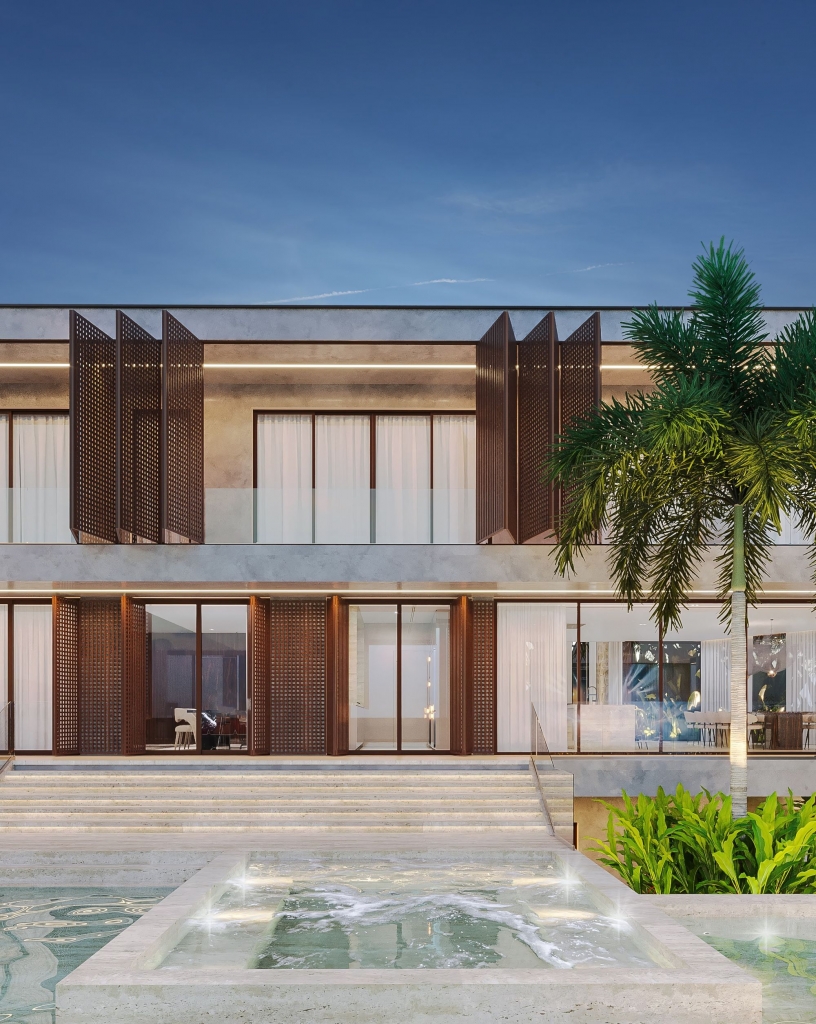
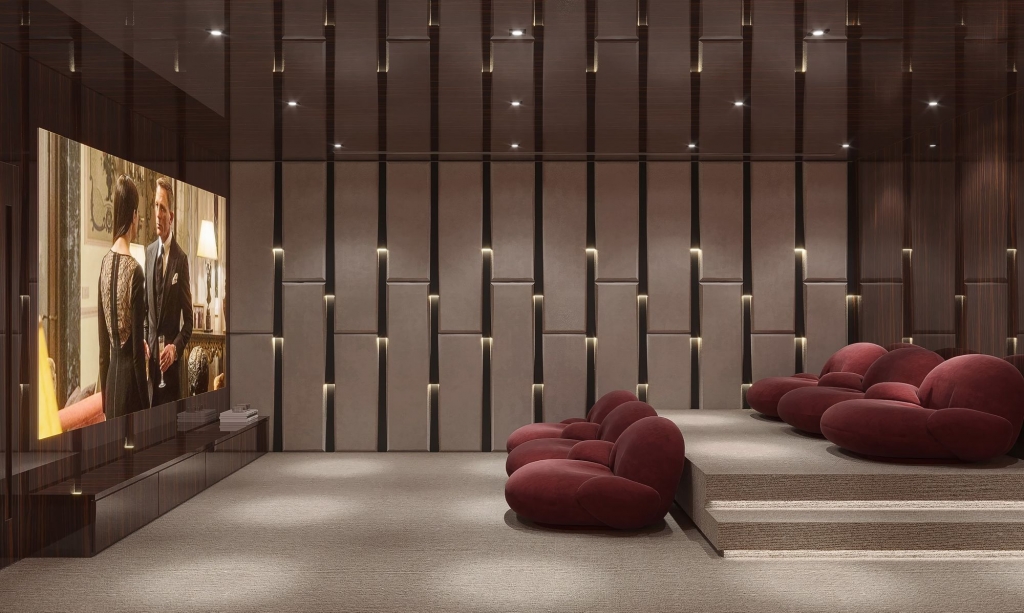
Projects such as the Terras de São José Luxury Experience and Ville Napoleon demonstrate this approach. Beyond their elegant aesthetics, they reveal a careful consideration of lifestyle. The result is architecture that feels intimate, regardless of scale.

Source: Camila Pimenta Project Gallery
The Dialogue Between Materials
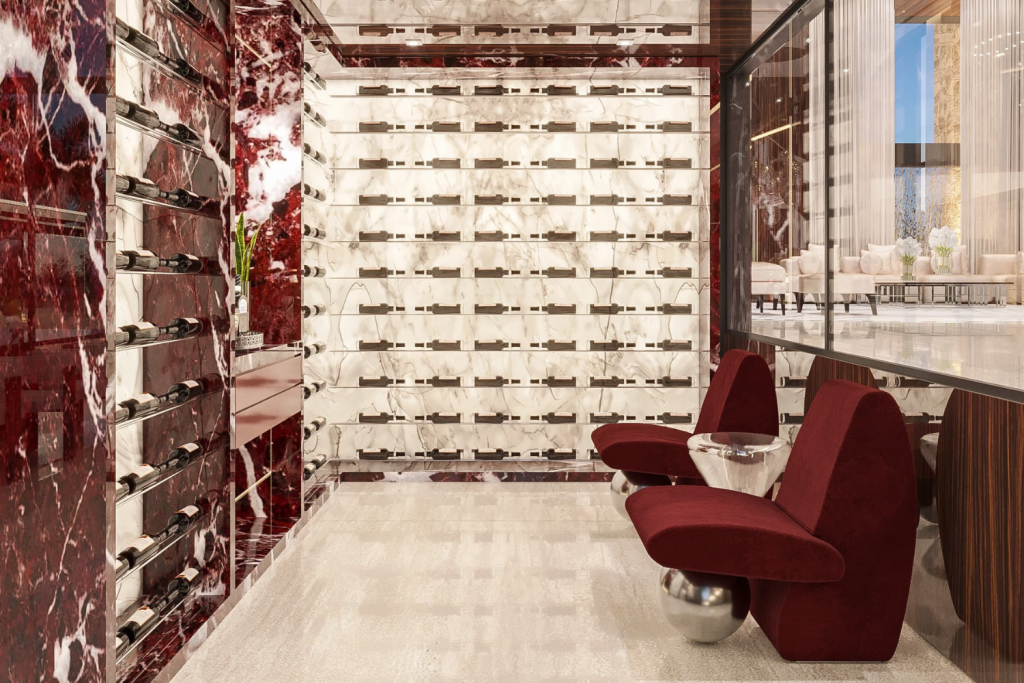
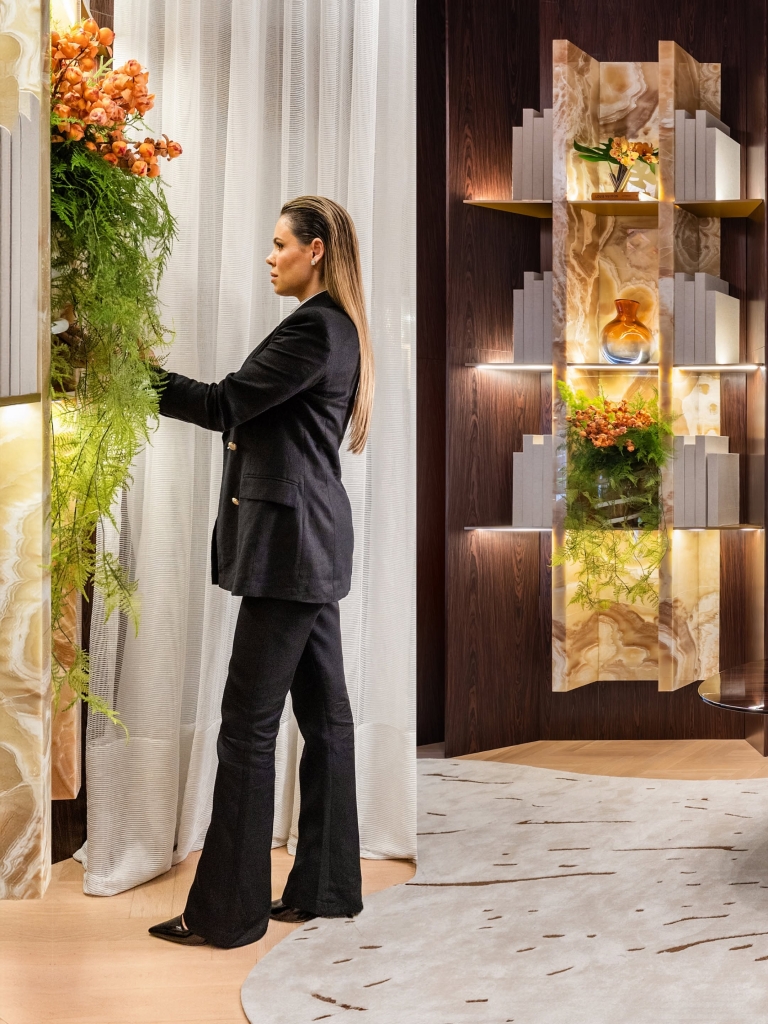
Camila Pimenta’s work is characterized by a sophisticated understanding of materiality. Wood, stone, glass, textiles, and metals are brought together with remarkable restraint, creating interiors that are rich without feeling overwhelming.
Each project explores different contrasts in a way that creates visual depth and emotional resonance. Materials are never treated as decoration, they are part of the story the space is trying to tell.

When Light Becomes Architecture
If materials provide structure, light provides life.
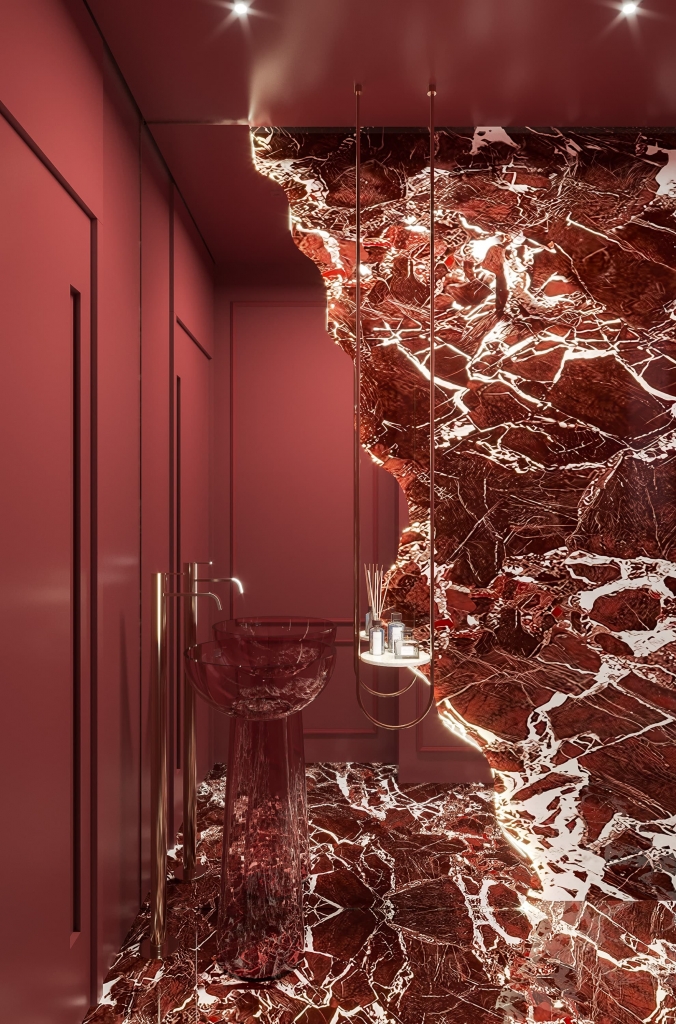
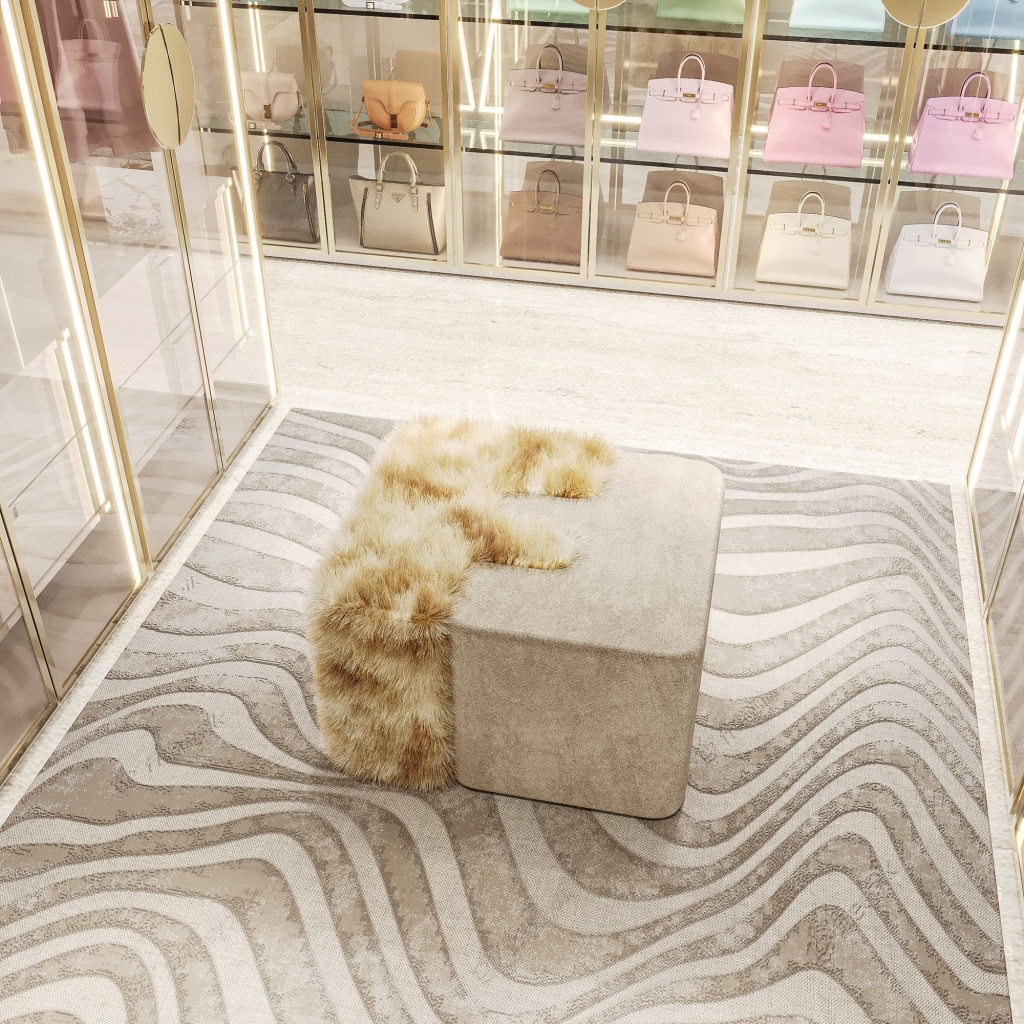
Throughout her projects, natural and artificial light are carefully orchestrated to shape atmosphere and perception. Spaces evolve throughout the day, revealing new textures, reflections, and relationships between surfaces.
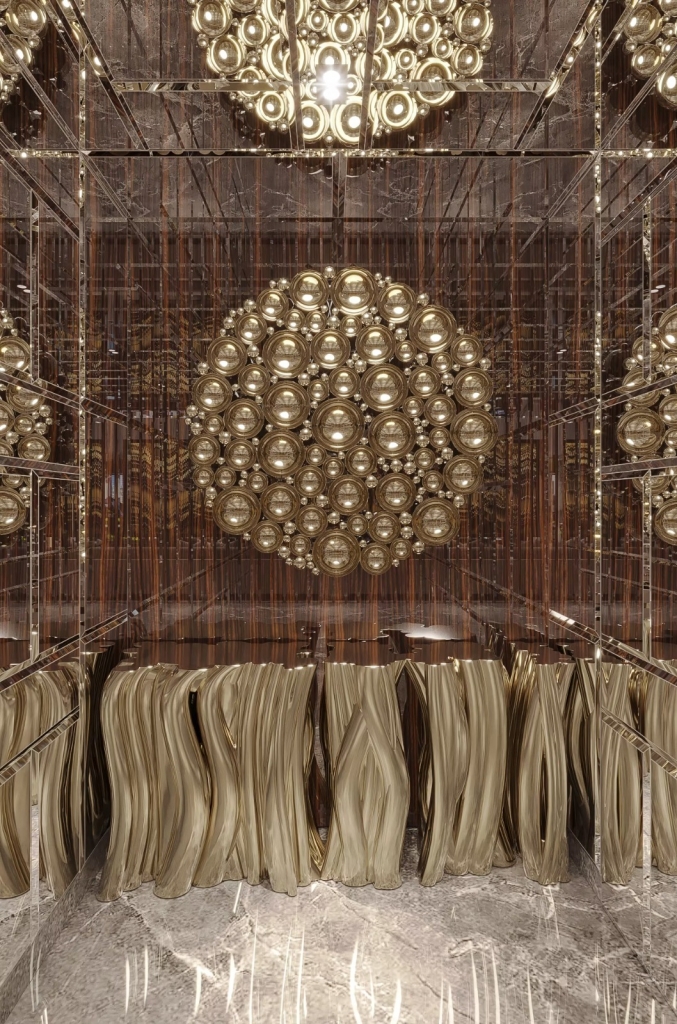
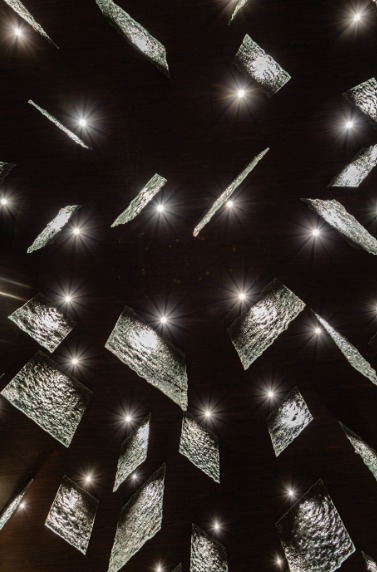
This fascination reaches its most poetic expression in CONSTELLA, an immersive installation created for Artefacto’s anniversary exhibition.
The project explores transparency, reflection, and movement, inviting visitors into an experience where light becomes the primary design element. More than an installation, CONSTELLA demonstrates Camila Pimenta’s belief that architecture can move beyond function and enter the realm of emotion and contemplation.
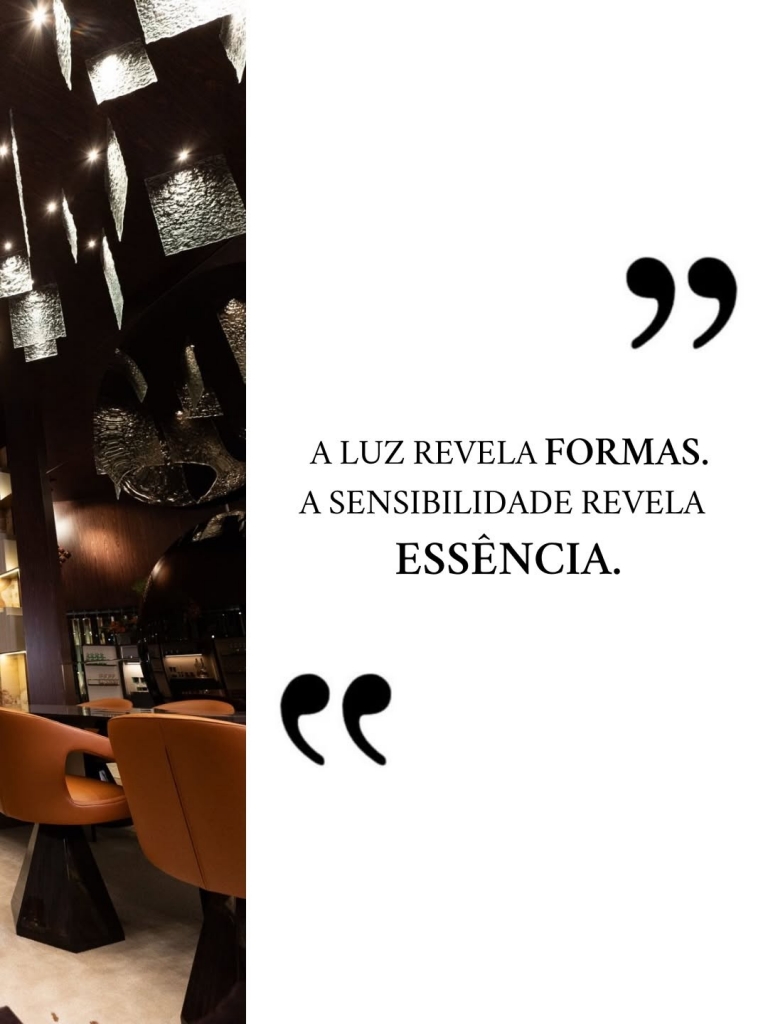
Its guiding idea is beautifully summarized in a phrase often associated with her work:
“Light reveals form. Sensibility reveals essence.”
The Architecture of Meaning
What ultimately distinguishes Camila Pimenta is not a particular material palette, formal language, or signature aesthetic. It is her ability to recognize that architecture extends beyond what we see.
In an age increasingly defined by speed and distraction, Camila Pimenta’s work offers something rare: the invitation to slow down. To notice. To feel. To appreciate the details. Because sometimes, as she reminds us, the details are not just part of the story. They are the story.
You might Like: Ricardo Azevedo: A Contemporary Voice in Portuguese Architecture