Founded by Dutch-American designer Annie Brahler, the St. Louis-based studio has built its identity around an unconventional combination of European antiques, contemporary furniture, architectural character and personal expression.
There is little interest here in decorating according to a prescribed formula. Instead, Euro Trash creates homes where objects from different centuries coexist, colour becomes a form of storytelling and every room has something unexpected to say.
See also: Kristina Zanic Consultants: Designing Places That Stay With Us
The Story Behind Euro Trash and Annie Brahler
The story of Euro Trash began long before Annie Brahler became known for her distinctive interiors. With Dutch family roots and a longstanding fascination with European design, Brahler initially worked in the import business. During trips to the Netherlands, she began discovering antique furnishings and decorative objects that were difficult to find in the United States.
What started with individual discoveries gradually developed into a business importing European pieces for American retailers and designers.
Brahler’s ability to recognise the potential of unusual objects soon opened another door. Interior designers began asking for her advice, and her instinct for combining furnishings eventually became a professional design practice.
Rather than beginning with a particular decorative style, the studio approaches each project through the personality, lifestyle and interests of its clients.
Alongside Brahler, CEO and principal designer Charles Smith contributes to a multidisciplinary team involved in interiors, procurement, craftsmanship and creative direction.
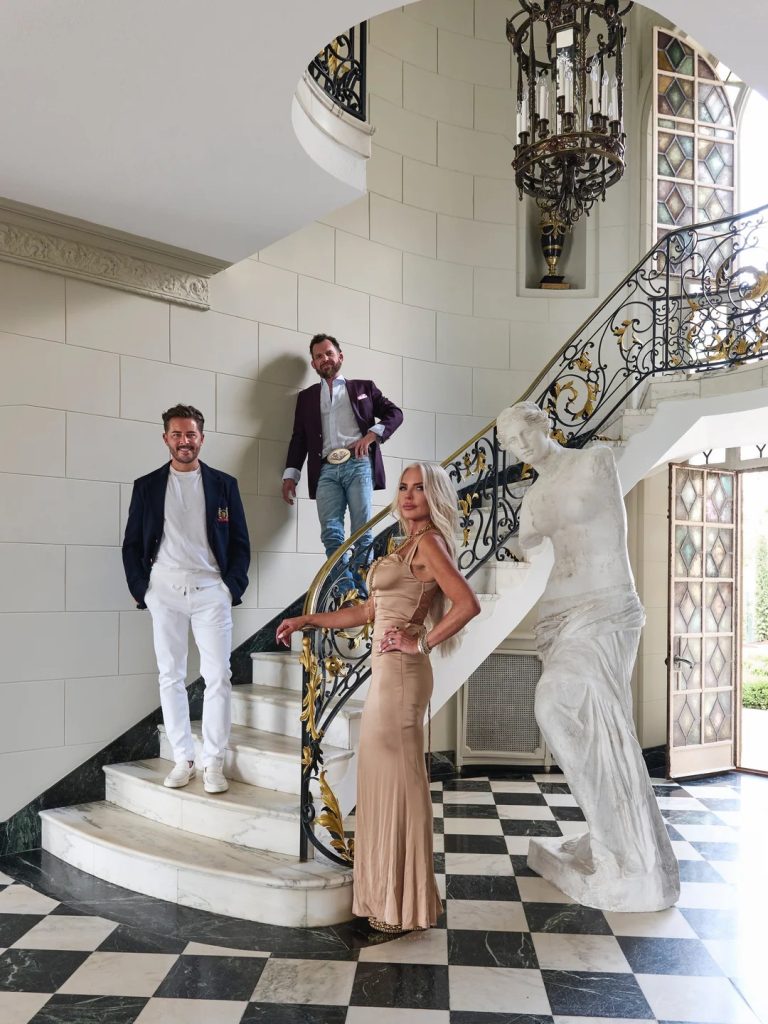
For Euro Trash, designing a home is not simply about selecting beautiful things. It is about understanding why those things belong together.
A Design Philosophy That Celebrates the Unexpected
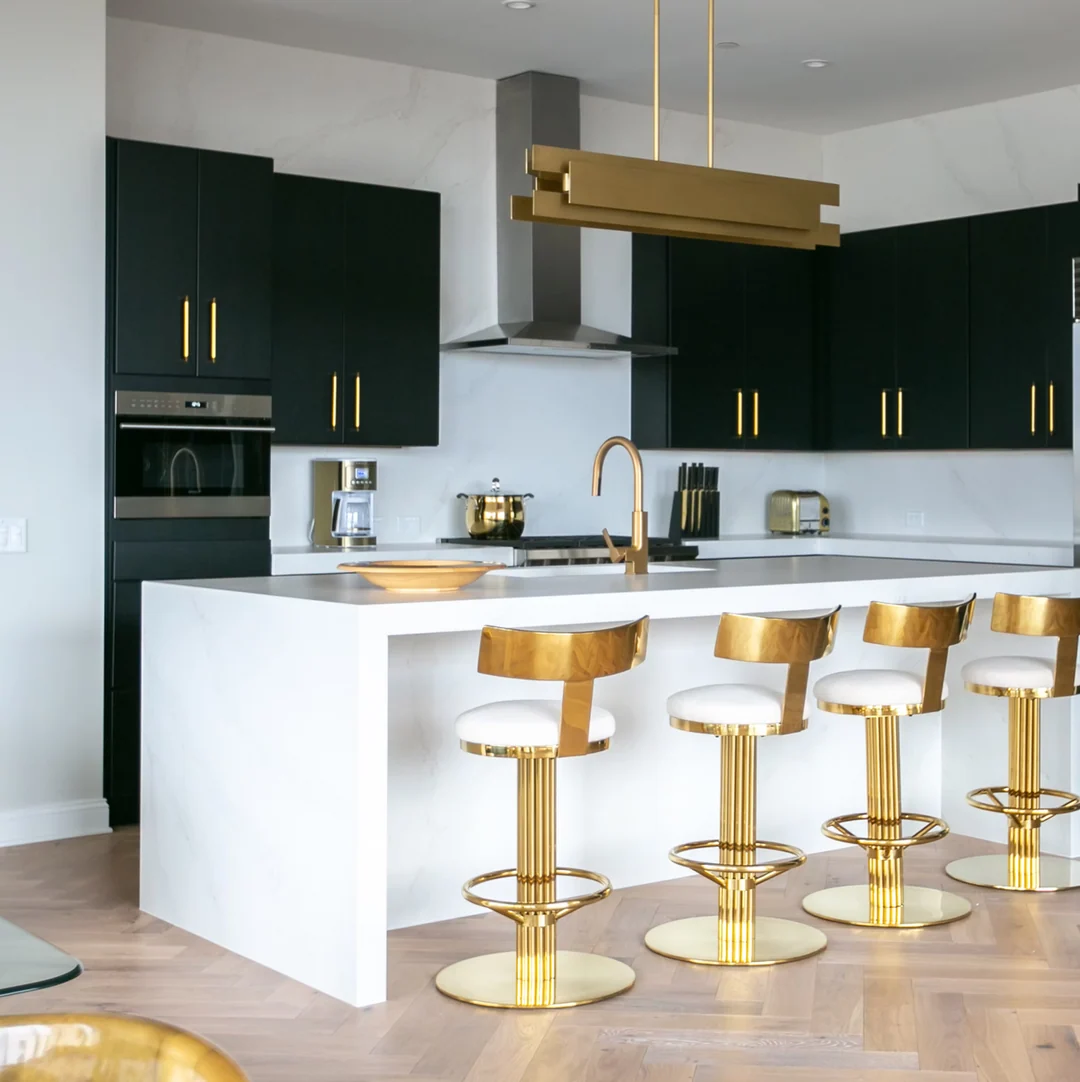
Walk through the visual world of Euro Trash, and one quality becomes immediately apparent: contrast is never something to avoid.
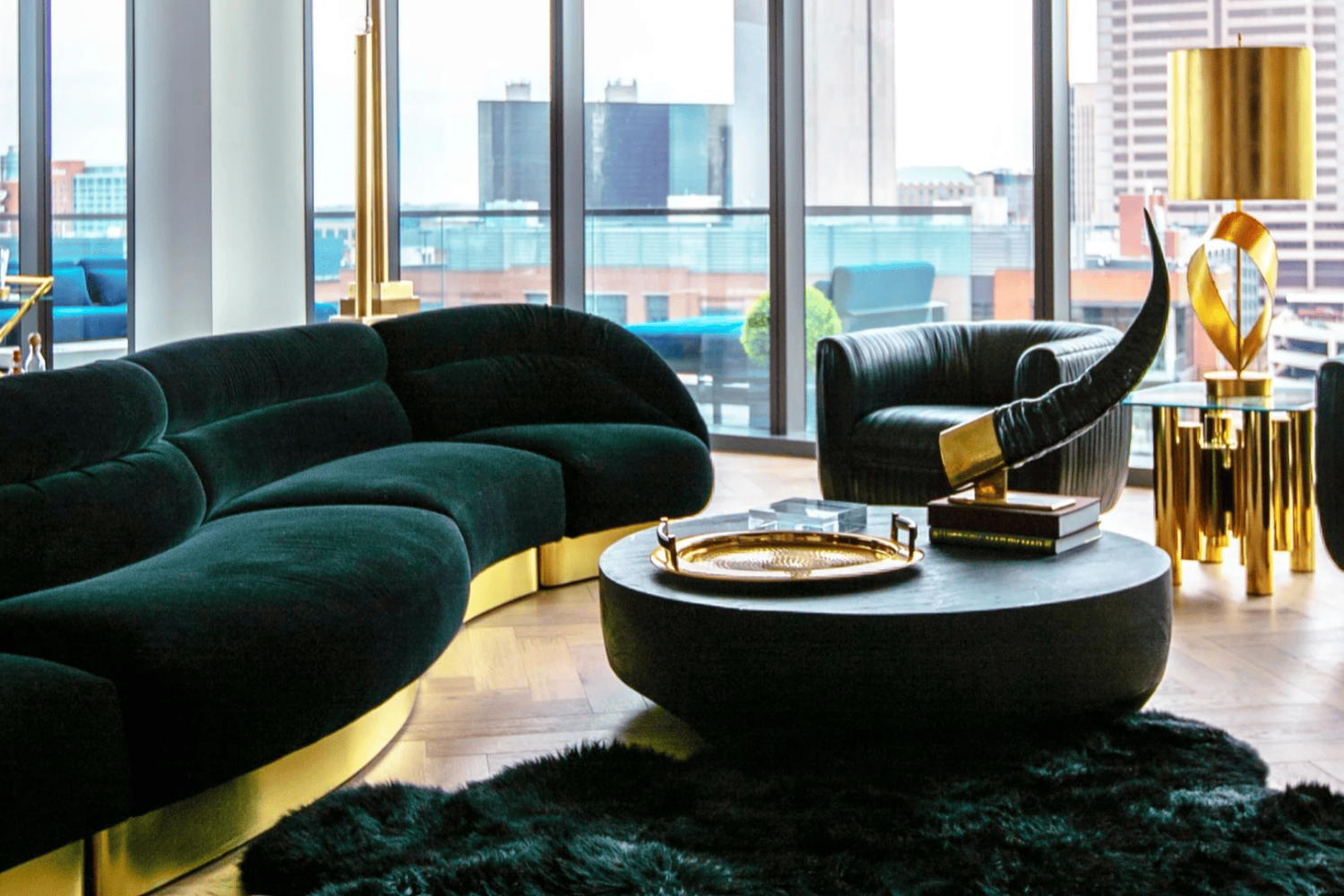
An antique mirror can share a room with a contemporary sofa. Ornate architectural details can sit alongside clean-lined furniture. Richly patterned fabrics, dramatic lighting and expressive artwork introduce character without demanding stylistic uniformity.
This willingness to combine different periods is central to the Euro Trash aesthetic.
Brahler’s appreciation for historic architecture also informs the way the studio treats existing spaces. Original features are not merely decorative backgrounds; they offer clues about a building’s identity.
In her own restoration projects, the designer has uncovered historic limestone, revived original windows and brought neglected architectural details back into view.
For Euro Trash, a piece does not need to be new to feel relevant, nor does an antique need to be displayed like a museum object. The beauty lies in allowing different materials, histories and personalities to interact.
It is a philosophy that feels particularly relevant in contemporary luxury interiors, where individuality increasingly matters more than uniformity.
The Georgian and Picardy: Two Expressions of Character
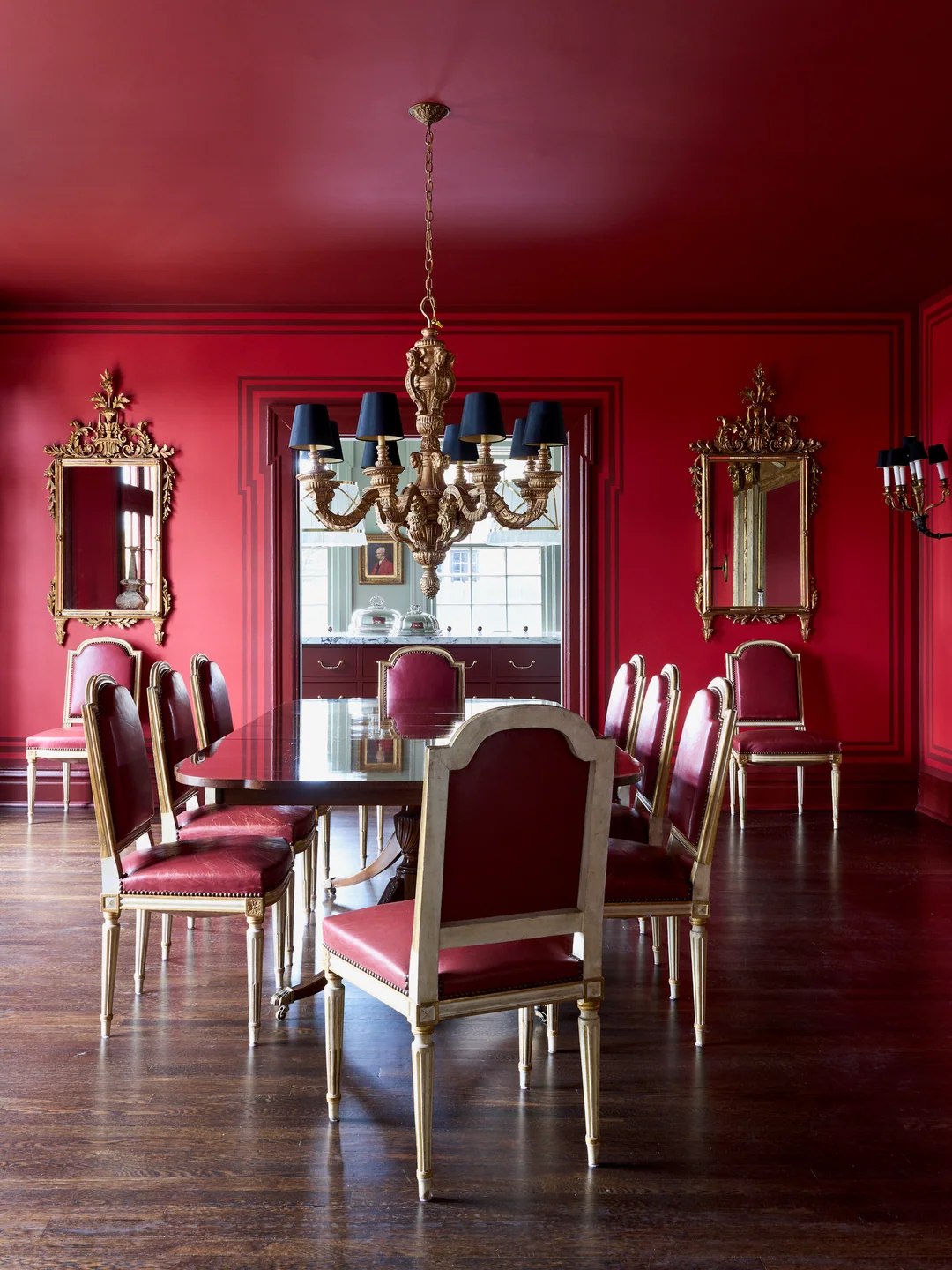
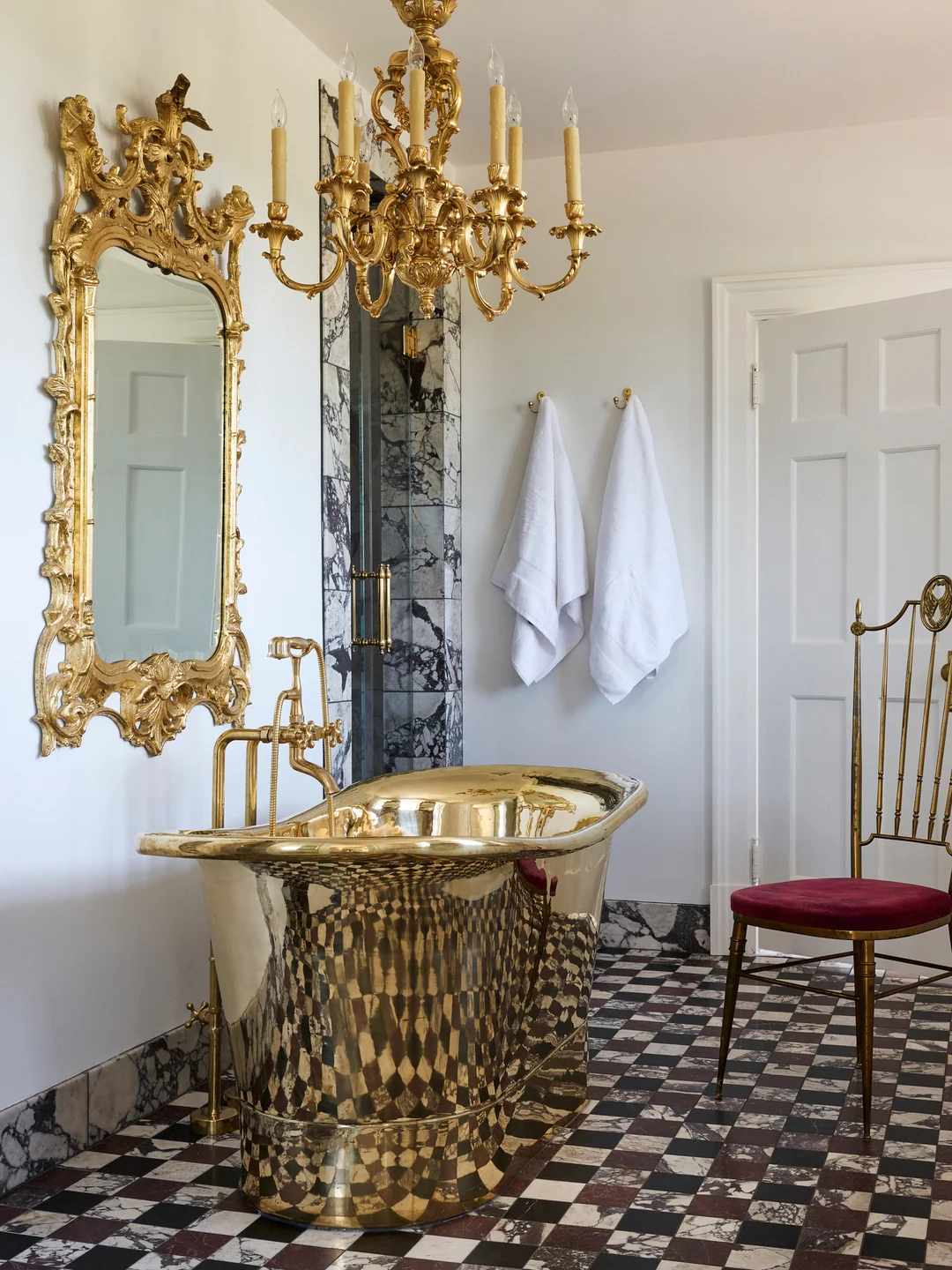
The residential portfolio of Euro Trash demonstrates just how differently that philosophy can be interpreted.
The Georgian, a large-scale residence in St. Louis, offers an opportunity to explore the studio’s relationship with traditional architectural character.
Rather than treating historic references as limitations, Euro Trash approaches them as a foundation for layered interiors, where furniture, art and decorative details can introduce new perspectives.
The project reflects the studio’s interest in giving established architectural language a contemporary life.
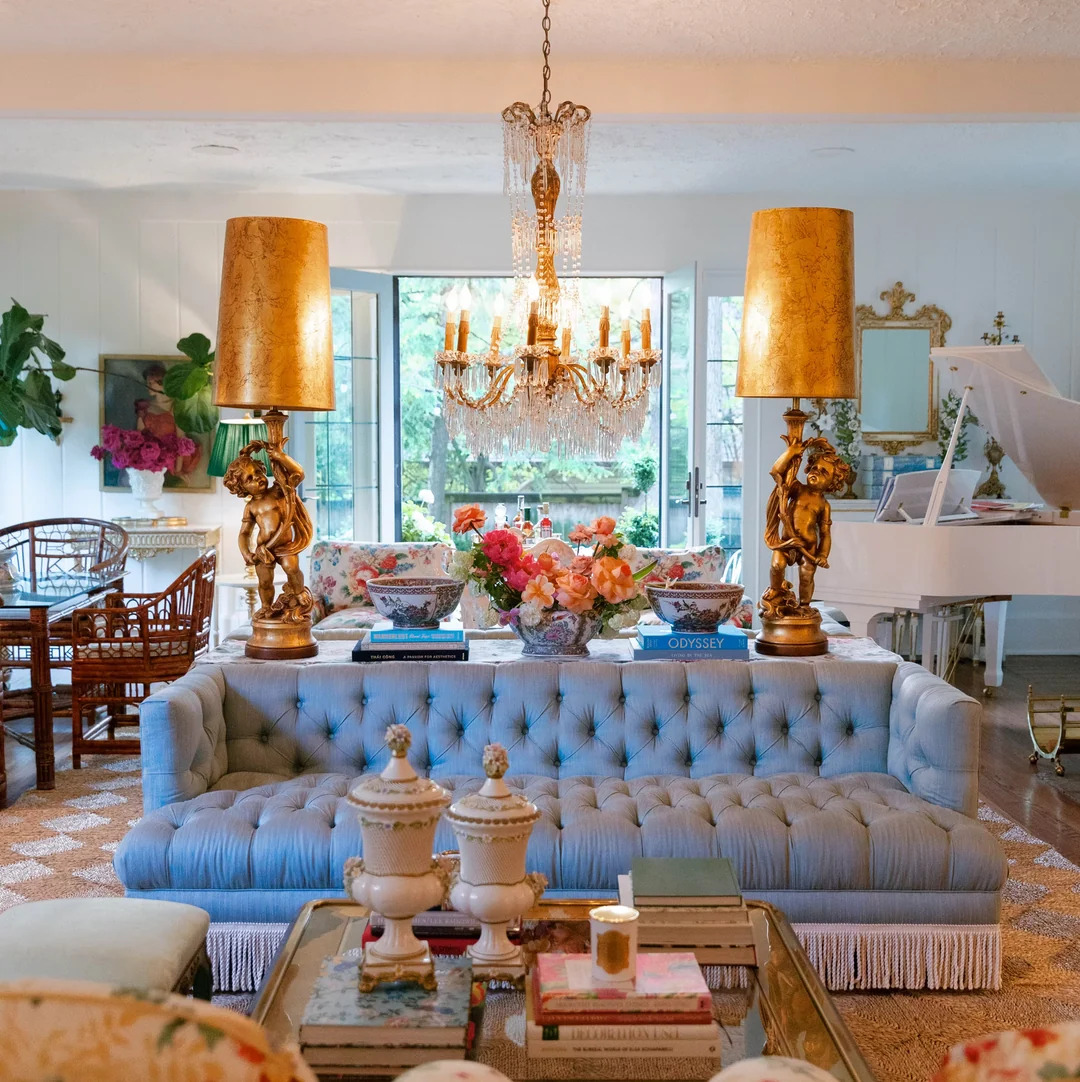
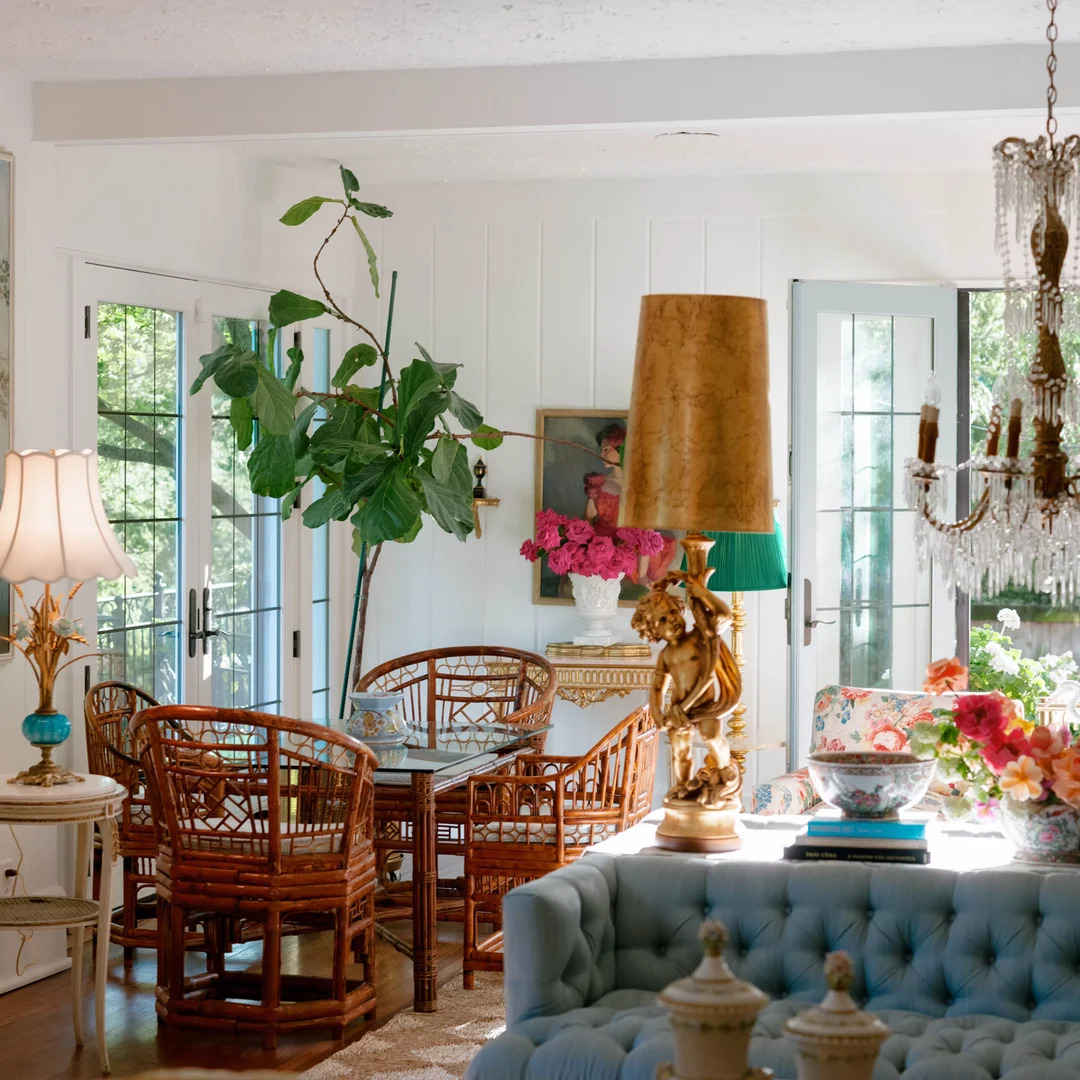
Picardy, a 6,000-square-foot residence in Ladue, Missouri, takes the conversation in a more playful direction.
Completed in 2023 according to the studio’s portfolio, the home embraces expressive fabrics and an imaginative colour palette.
There is an almost storybook quality to its interiors, yet the effect is grounded in deliberate choices about pattern, furniture and atmosphere.
For Euro Trash, Picardy illustrates how a home can feel sophisticated without becoming overly serious.
Its charm comes from the confidence to embrace personality.
House of Otto: Contemporary Design With an Individual Voice
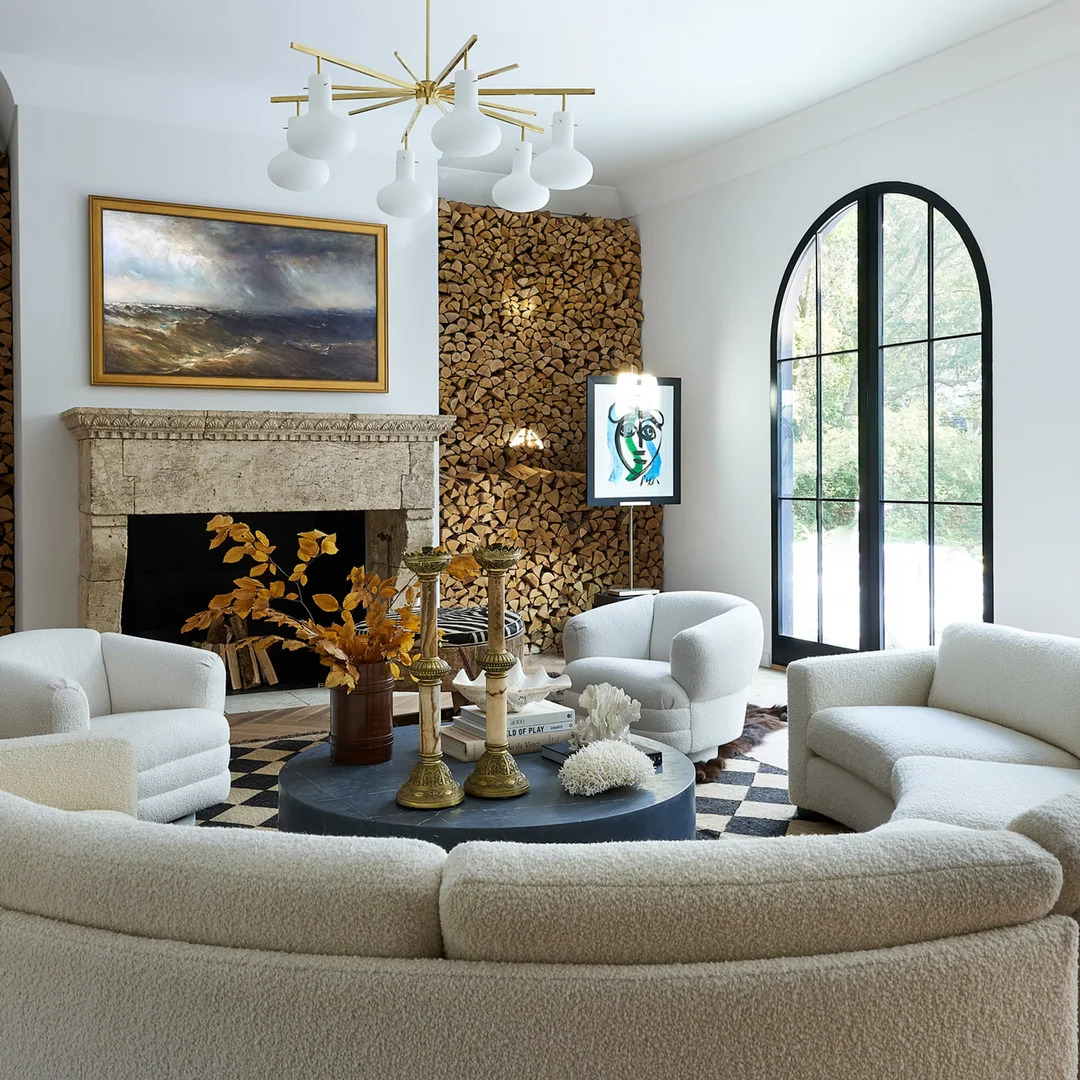
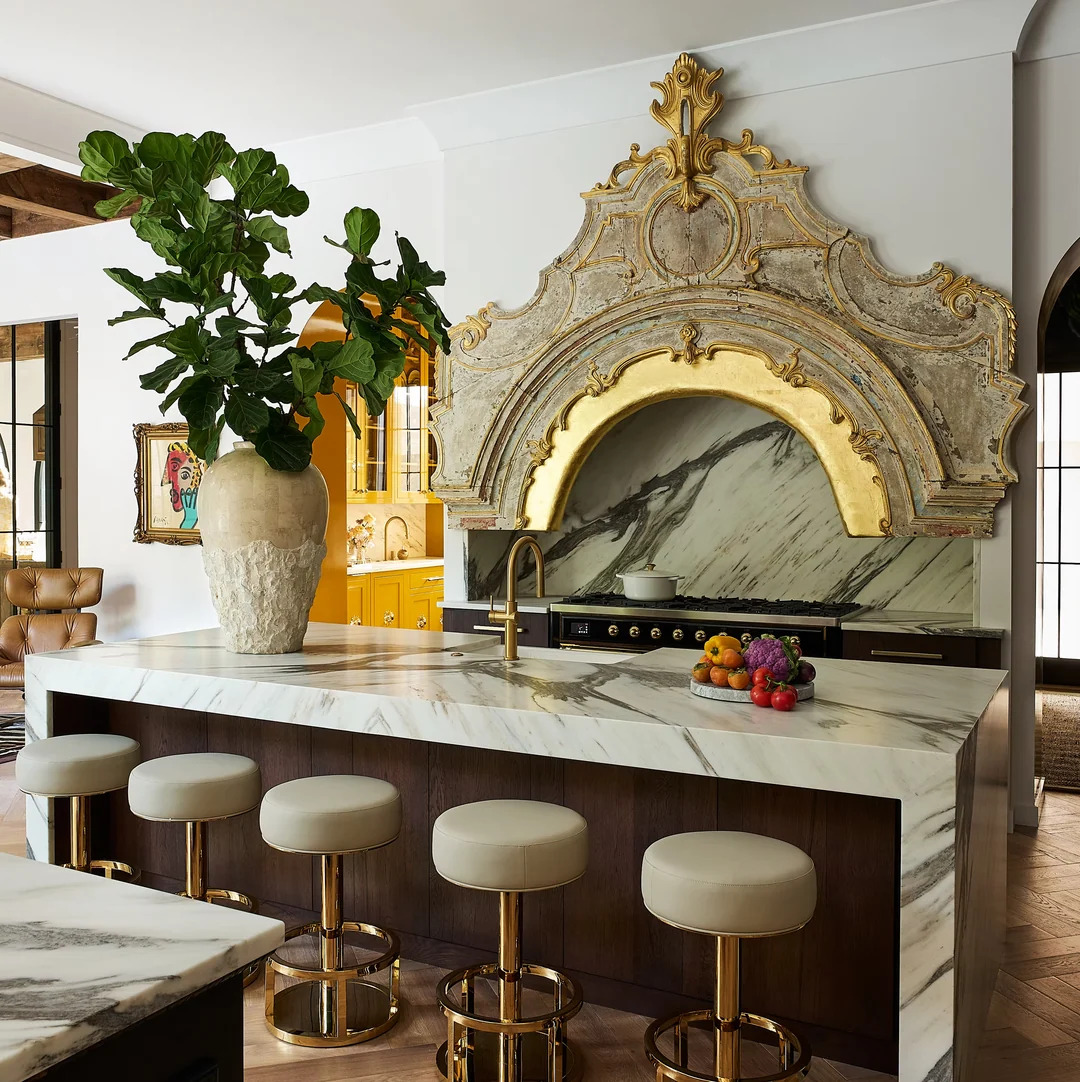
If Picardy celebrates decorative exuberance, House of Otto reveals another side of Euro Trash.
Located in St. Louis, this 12,000-square-foot new-construction residence was designed with a contemporary interior approach and distinctive architectural detailing.
The studio identifies 2022 as the design year and lists the project under 2024 in its portfolio.
What makes House of Otto significant within the Euro Trash collection is its different architectural starting point.
Without the inherited details of a historic property, the design language must be established through the relationship between architecture, furniture and interior composition.
Here, contemporary forms create a framework for a highly personal living environment.
The project demonstrates that Euro Trash is not defined by antiques alone. Its identity lies in the ability to bring character to spaces across different architectural styles.
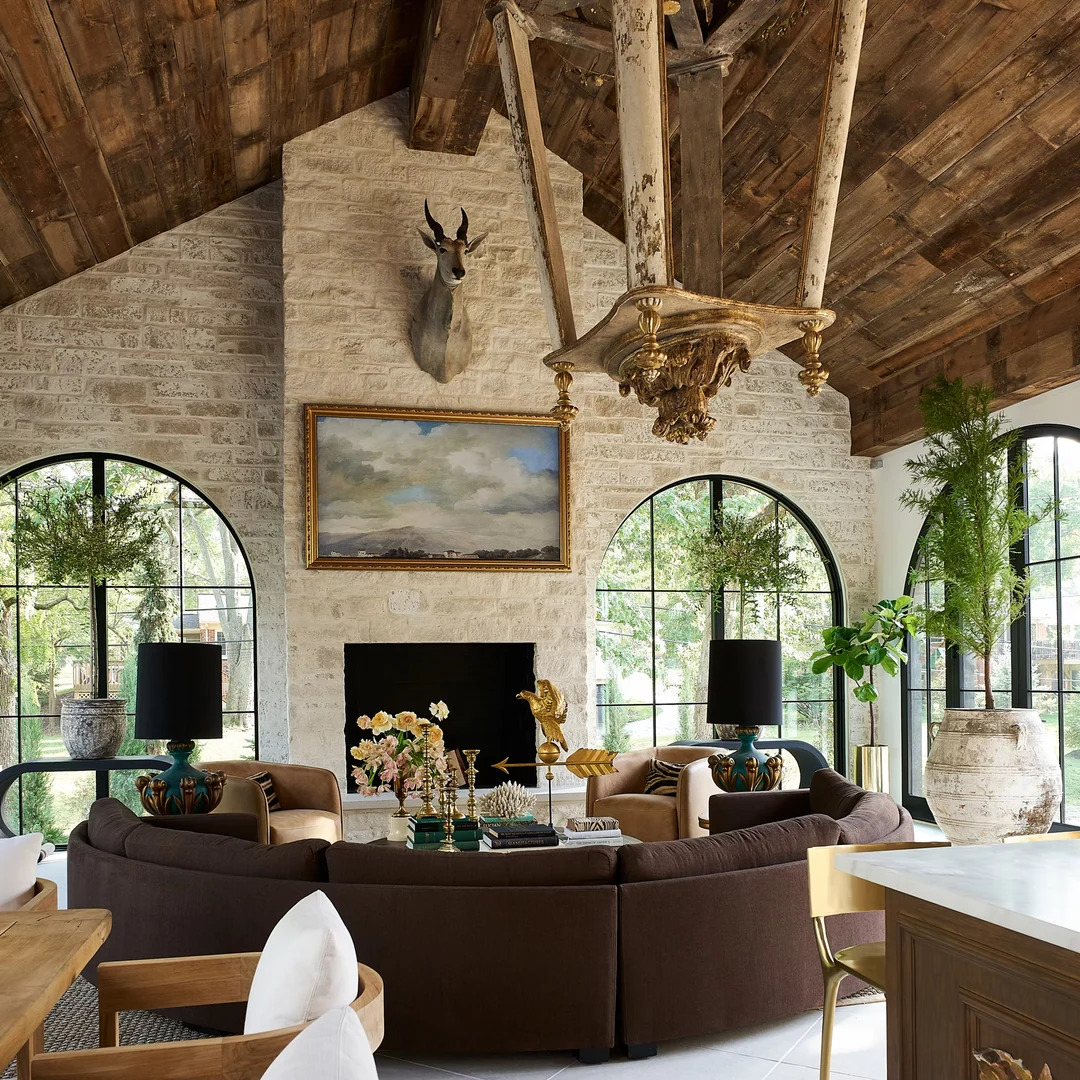
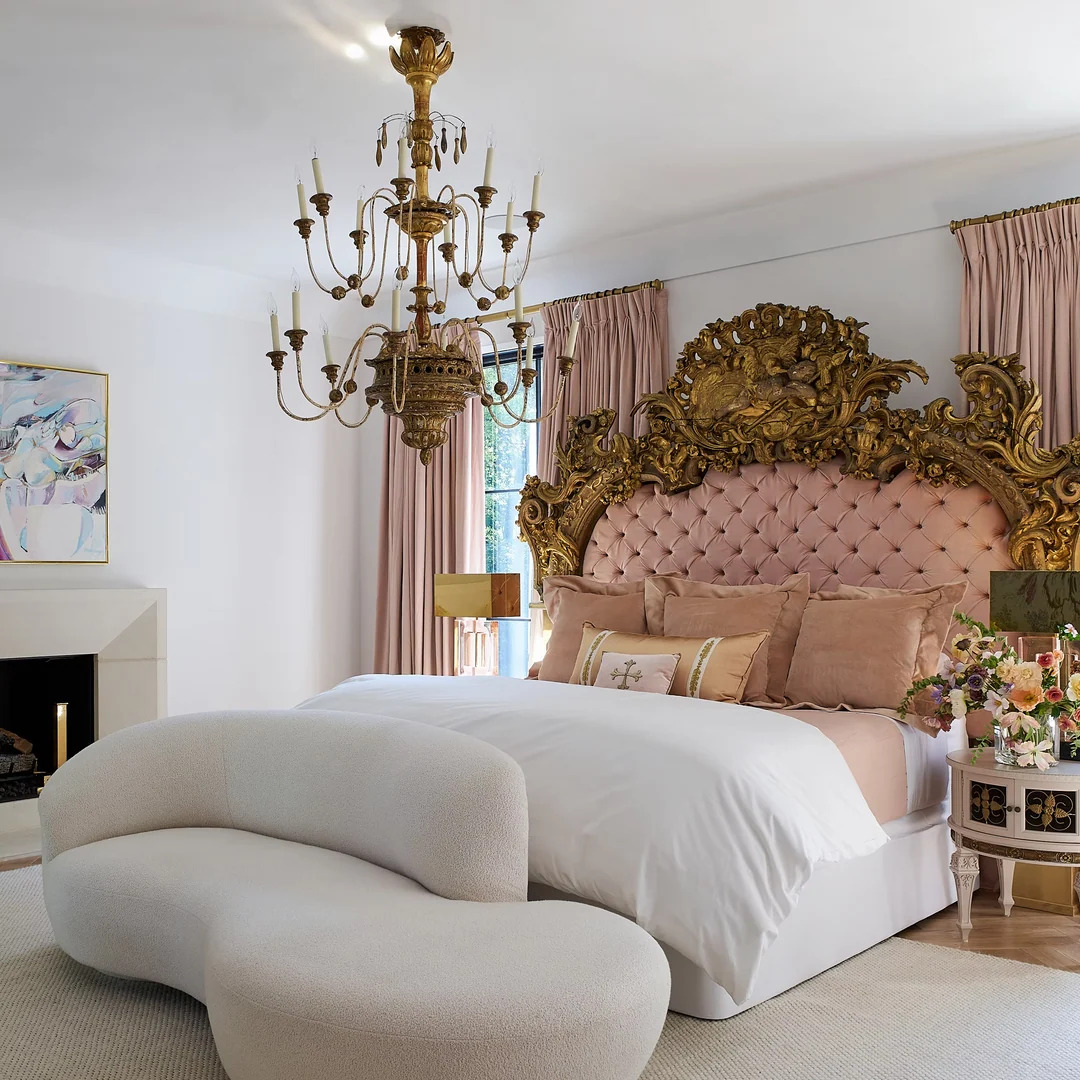
Gordon Drive: A Playful Interpretation of Coastal Living
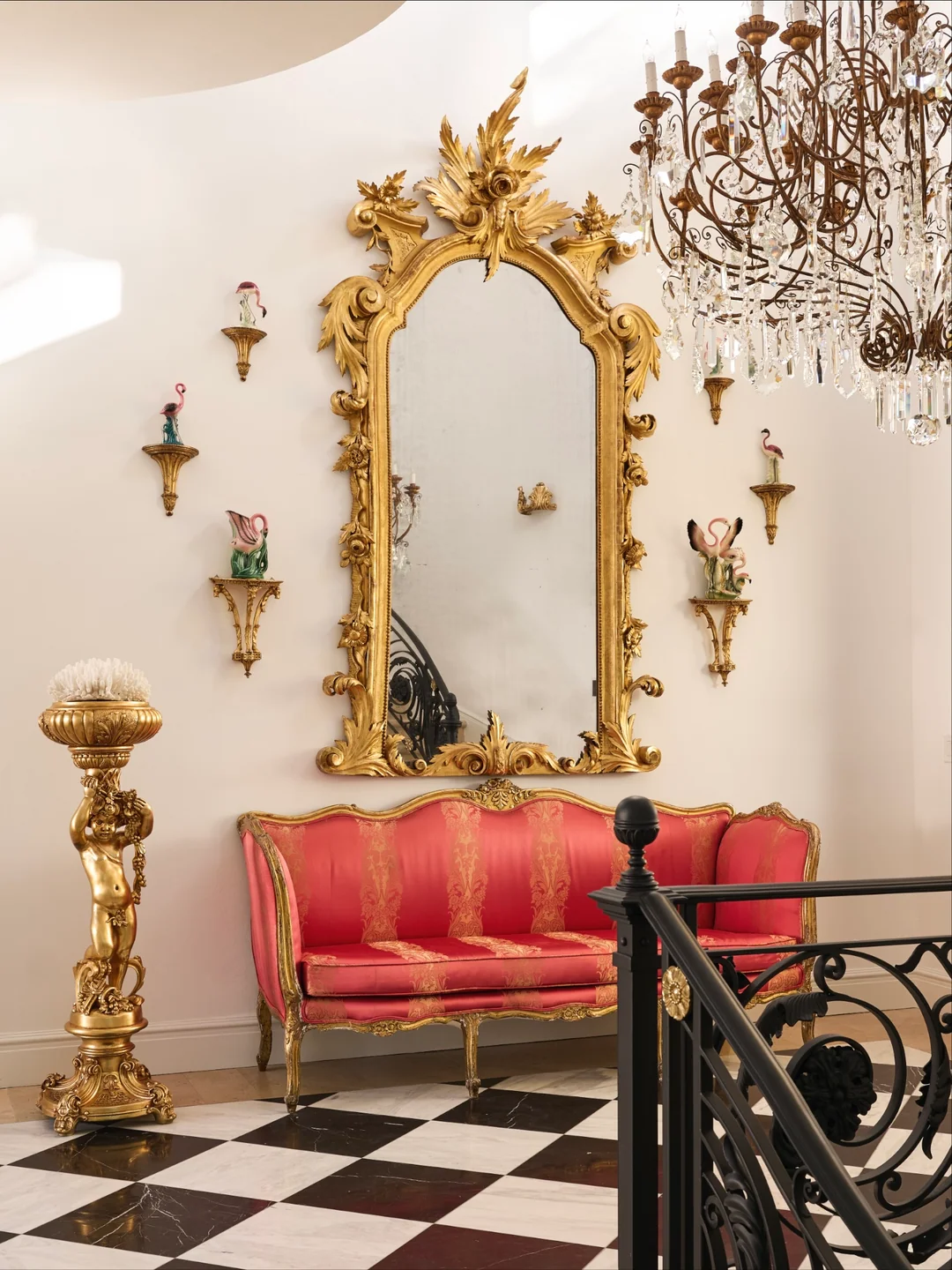
In Naples, Florida, Gordon Drive introduces a different setting and a different rhythm.
Renovated in 2023, the 12,000-square-foot residence was conceived around the owner’s lively personality, with references to coastal living.
For Euro Trash, the project offered an opportunity to translate that individuality into a home connected to its Florida surroundings.
Rather than relying exclusively on familiar coastal decorating conventions, the studio’s approach places the homeowner’s character at the centre of the design.
Gordon Drive reinforces a recurring principle throughout the portfolio: an interior should belong to the person who lives there, not simply to a particular location or trend.
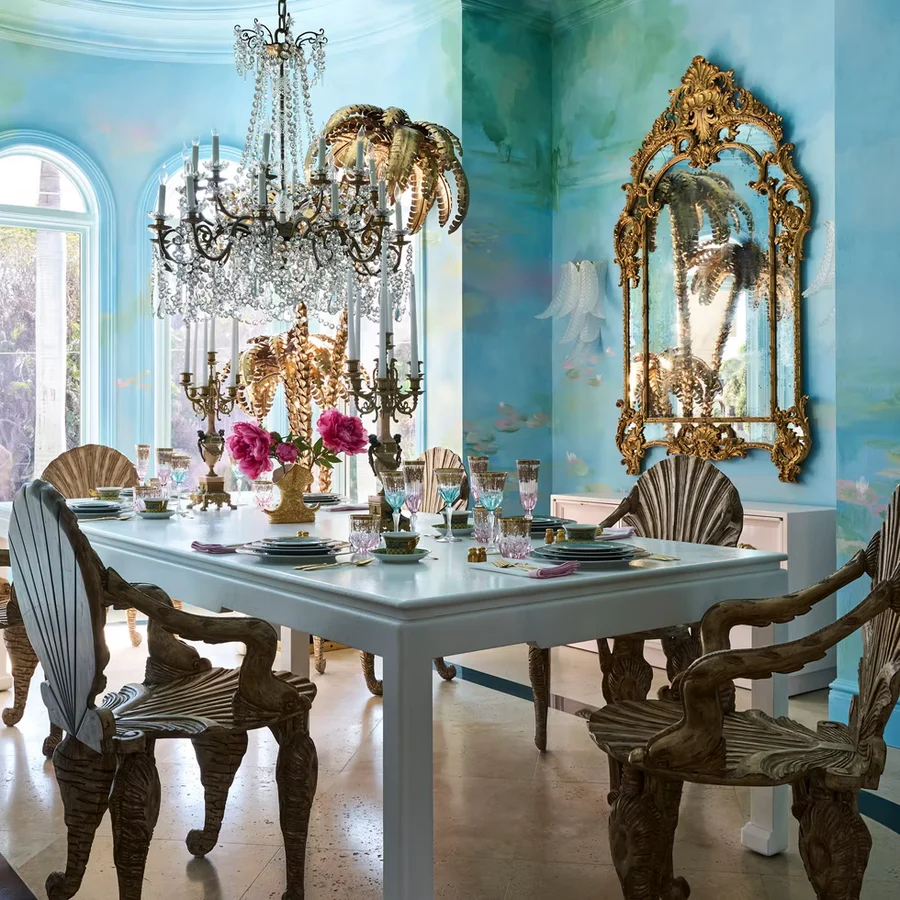
Euro Trash: The Beauty of Living With Art and History
From the architectural character of The Georgian to the colour of Picardy, the contemporary language of House of Otto and the coastal personality of Gordon Drive, Euro Trash demonstrates the remarkable possibilities of personal design.
Annie Brahler’s work reminds us that exceptional interiors are built through curiosity, craftsmanship and the confidence to bring seemingly different things together.
For Euro Trash, the most compelling homes are not those that follow every rule. They are the ones that tell a story no other home could tell.
See more: Howard Design Group: A Legacy of Exceptional Luxury Interiors