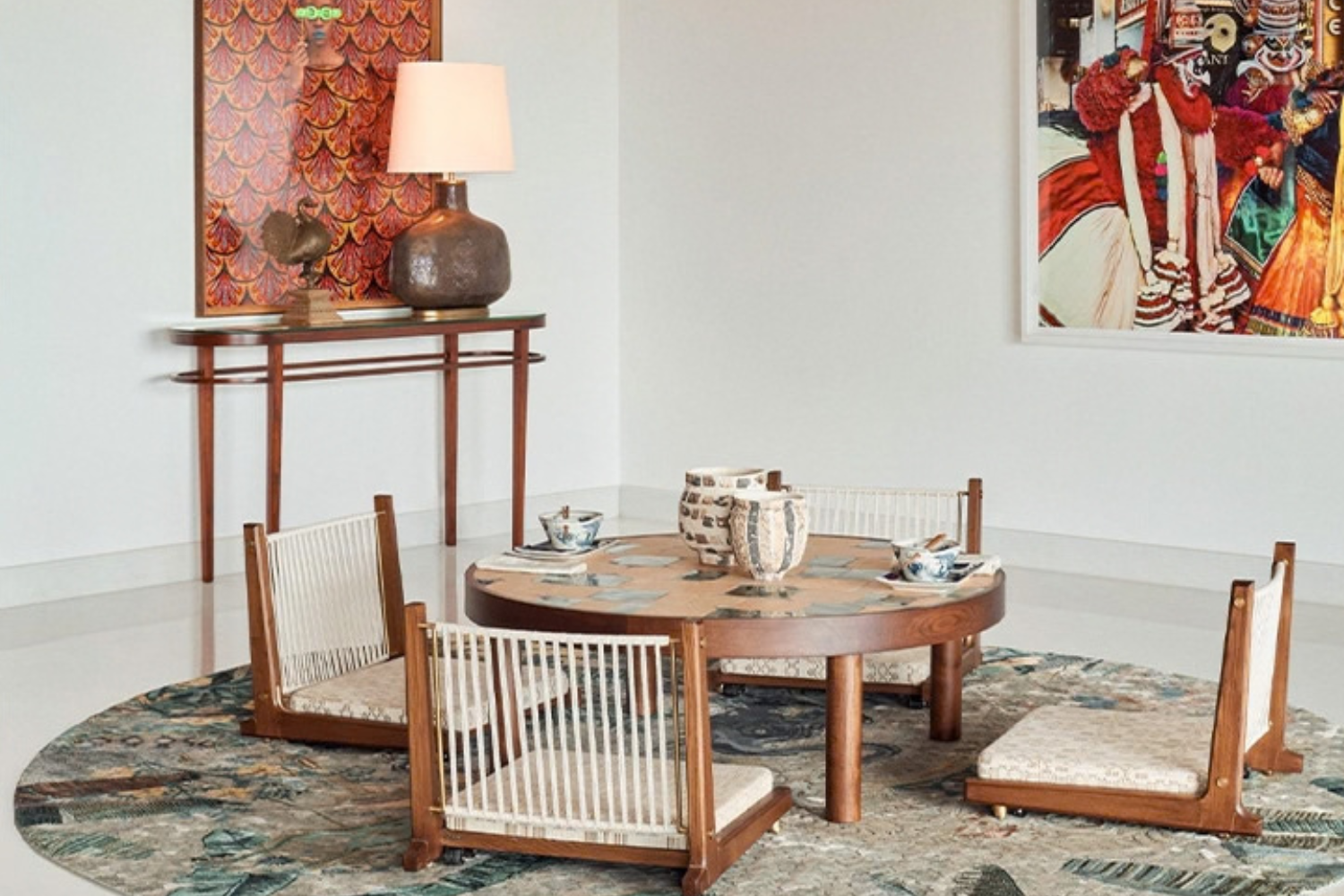
For years, minimalism dominated the language of contemporary interiors, championing neutral palettes, clean lines and carefully edited spaces. Yet in India, a very different design sensibility has always existed beneath the surface. Colour, ornament, craftsmanship, textiles, art and collected objects have long been integral to Indian homes and architecture. Today, these elements are being reinterpreted through a contemporary lens, giving rise to a confident new wave of maximalism where abundance is not perceived as excessive, but as expressive.
Article You’ll Love: Anna Giannis Interiors: Bringing Global Luxury Design to Life
1. Kavita Singh
Few names embody the connection between Indian heritage and maximalist interiors as strongly as Kavita Singh. With more than four decades of experience, Singh has developed a distinctive design language informed by her appreciation for contemporary and decorative arts. Her interiors are often characterised by an abundance of carefully considered details, where furniture, artwork and architectural elements work together to create an atmosphere of understated grandeur.
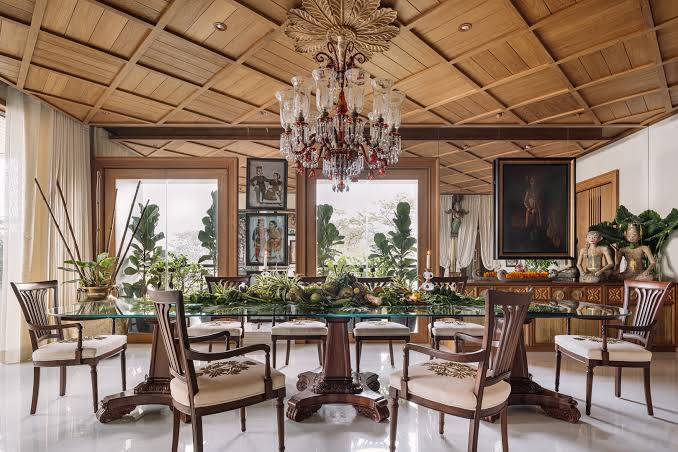
Source: Architectural Digest
2. Vinita Chaitanya
Bengaluru-based Vinita Chaitanya approaches interior design with an unmistakable sense of drama. For Chaitanya, maximalism is not limited to furniture and accessories; ceilings, doors and architectural features can all become opportunities for artistic expression. Her interiors demonstrate an instinct to amplify a client’s lifestyle through increasingly expressive design choices, resulting in spaces that feel theatrical without losing their sense of luxury.
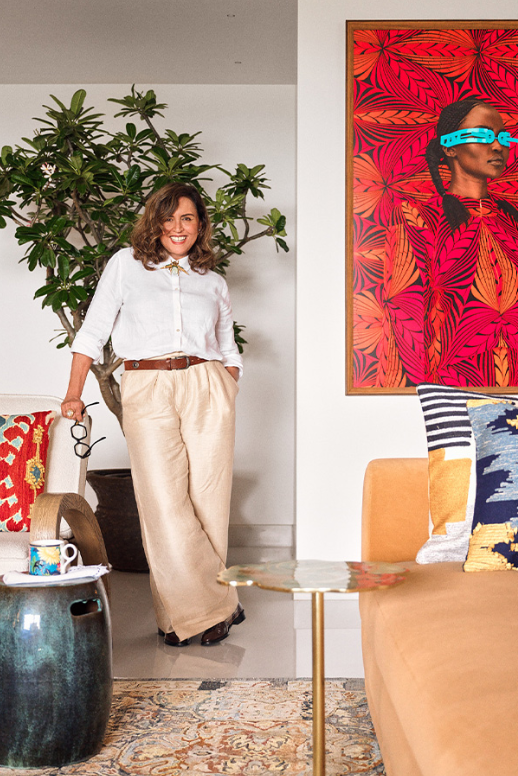
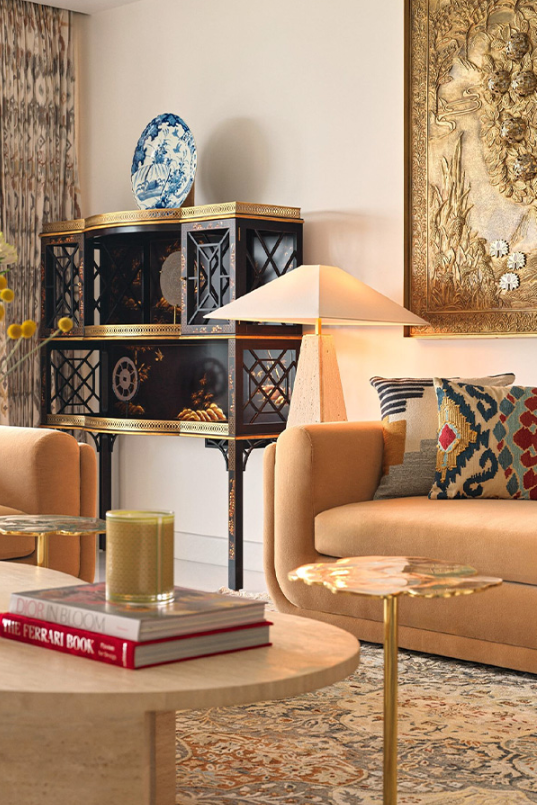
Source: ELLE Decor
3. Shabnam Gupta
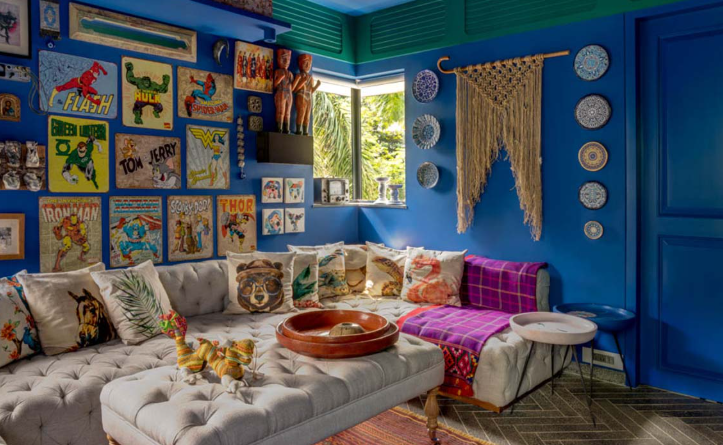
For Shabnam Gupta, maximalism is inseparable from the people who inhabit a space. The founder of The Orange Lane, established in 2003, has developed a multidisciplinary practice spanning residences, hospitality and retail. Her aesthetic frequently combines vibrant colour, contrasting patterns, eclectic objects and unexpected details, creating interiors that feel energetic and highly individual. Yet beneath this visual richness is a strong emphasis on functionality and the human experience.
Source: Design Essentia Magazine
4. Marie-Anne Oudejans
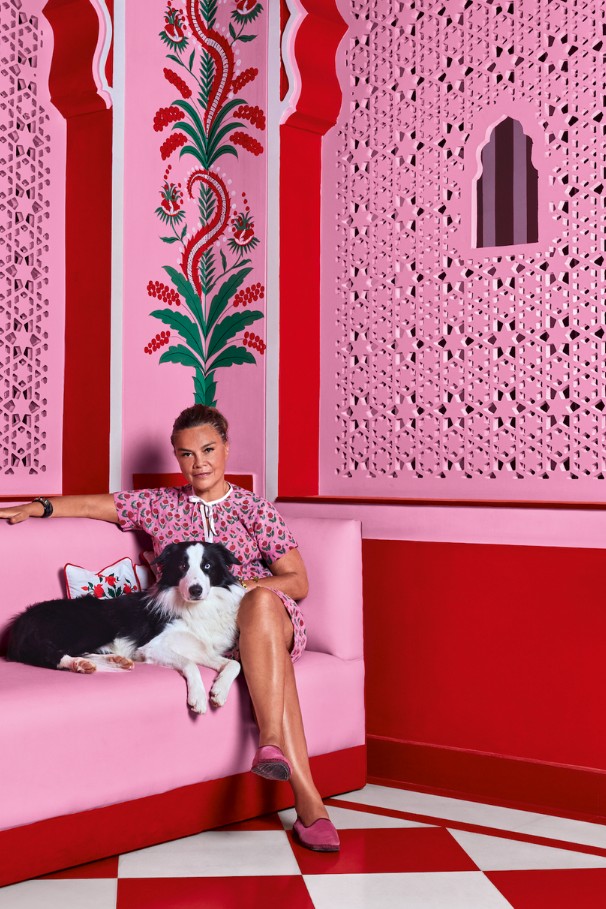
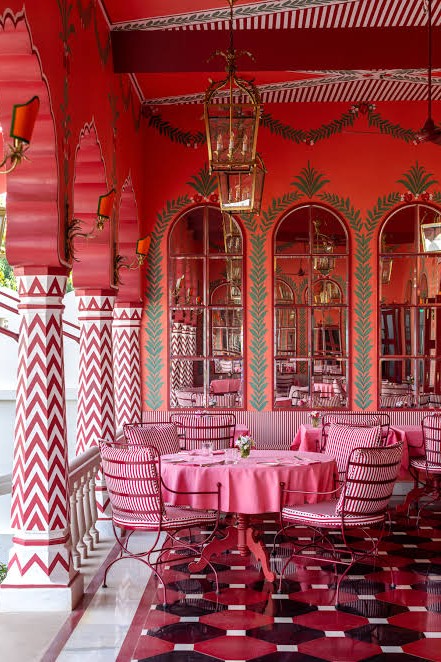
Although Dutch by birth, Marie-Anne Oudejans has become deeply associated with Jaipur, the Indian Pink City that has been her home for many years. Originally a fashion and jewellery designer, Oudejans developed an interior language that combines European influences with the colour, craftsmanship and architectural heritage of Rajasthan. Her signature spaces are immediately recognisable for their saturated colours, tented ceilings, Mughal-inspired motifs and bold stripes, creating environments that feel both exotic and relaxed.
Source: Architectural Digest
5. Pavitra Rajaram
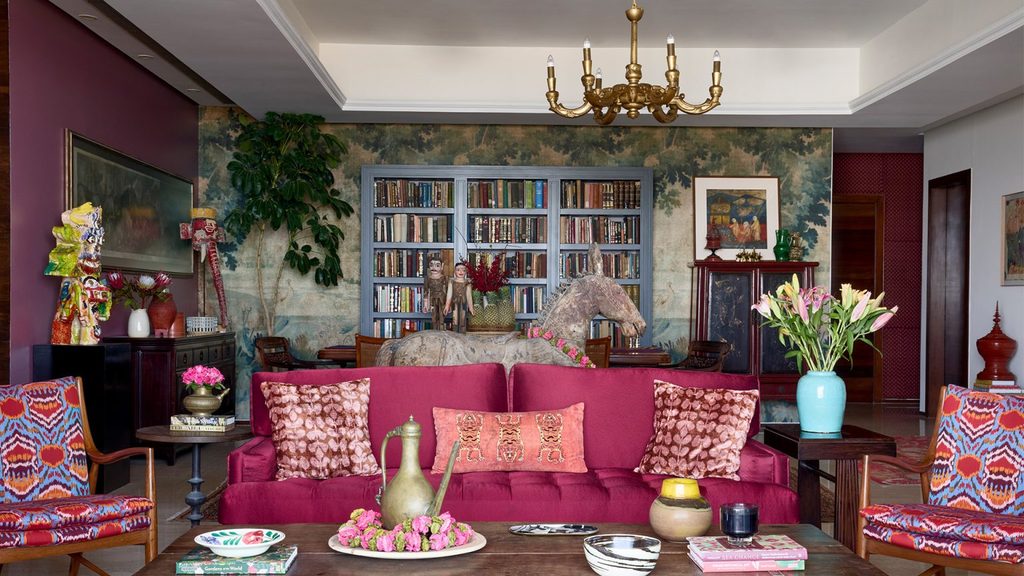
Pavitra Rajaram brings a distinctive dimension to Indian maximalism through her connection with nature, culture and collecting. Founder and creative director of Pavitra Rajaram Design, her multidisciplinary practice encompasses interior design, architecture, product design and brand strategy. Her work demonstrates that maximalism does not have to be defined exclusively by visual abundance; it can also emerge through the accumulation of natural references, artwork, objects, materials and cultural narratives.
Source: ELLE Decor
6. Shimona Bhansali
Maximalism begins with storytelling for Shimona Bhansali. Founder and chief designer of Design Hex, Bhansali has been creating distinctive interiors since 2002, developing spaces designed to feel immersive and transportive. Her work brings together expressive colour, patterns, characters and decorative elements, creating interiors in which every corner contributes to a larger visual narrative. Instead of treating a room as a collection of isolated objects, Bhansali considers the entire environment as a story waiting to be experienced.
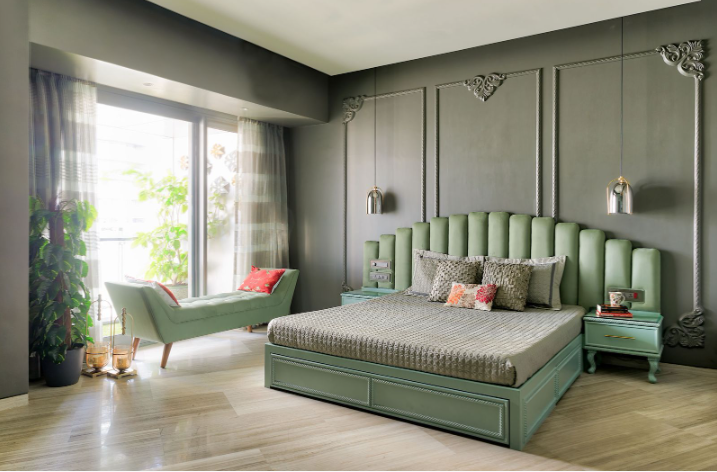
Source: Architectural Digest
7. Krsnaa Mehta
Founder and design director of India Circus, Krsnaa Mehta, brings an eclectic and contemporary perspective to Indian maximalism. His work draws from an unusually broad range of references, including Mughal gardens, Indian culture and everyday visual experiences. Rather than following a single decorative language, Mehta combines unexpected influences to create interiors and objects that feel colourful and playful.
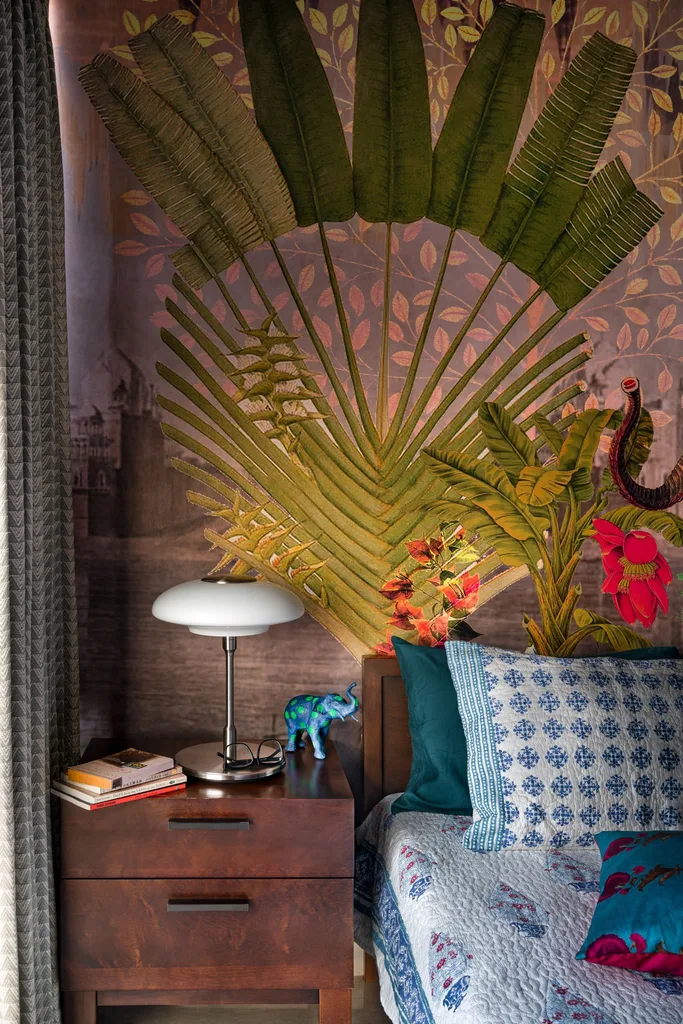
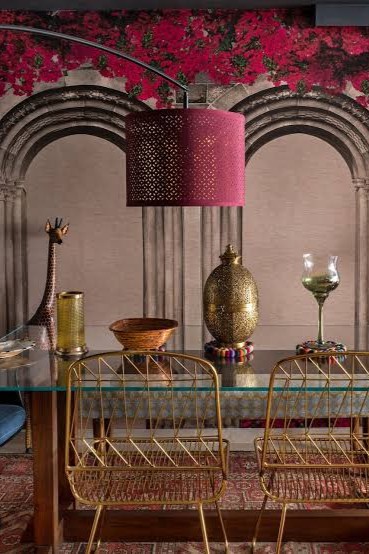
Source: Architectural Digest
8. Shan Bhatnagar
Shan Bhatnagar, an artist and interior designer based in Jaipur, approaches maximalism through the lens of heritage and collecting. His understanding of Indian interiors is strongly influenced by his childhood in Old Delhi, where he developed a fascination with local markets and antiques. After moving to Jaipur, this interest became even more pronounced, inspired by the city’s extraordinary artistic and cultural heritage. His interiors consequently bring together objects from different periods and regions of India, creating spaces that feel almost like living archives.
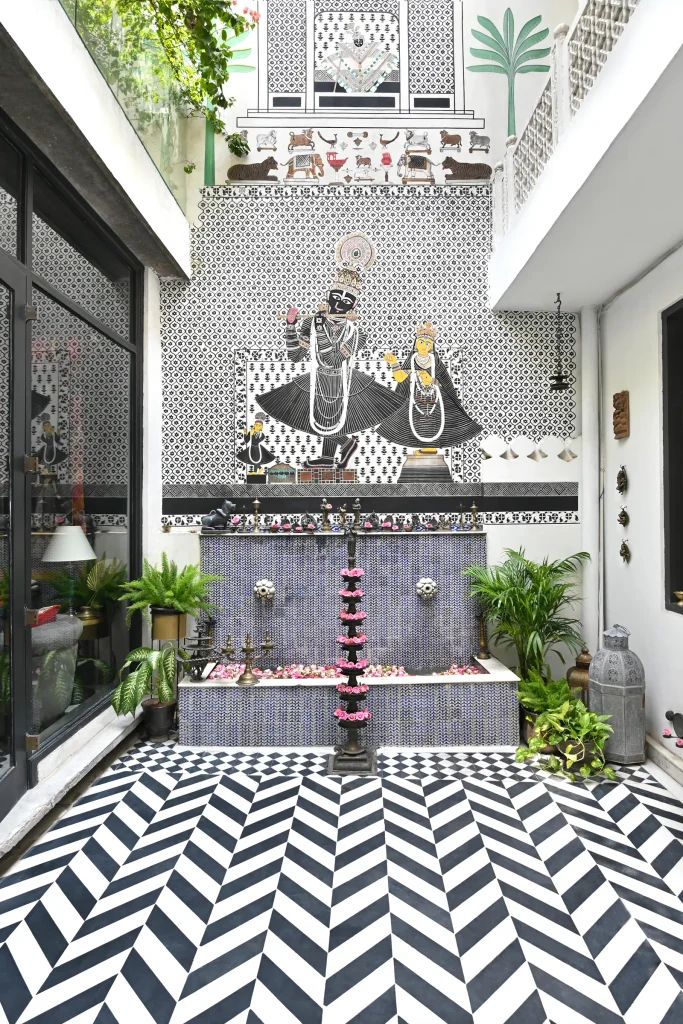
Source: Architectural Digest
9. Sachin Gupta
Sachin Gupta, founder of Beyond Designs, represents another interpretation of contemporary Indian maximalism, one grounded in dramatic interiors, art, antiques and elaborate detailing. His work explores the expressive possibilities of luxury through richly layered spaces in which furniture, lighting, decorative objects and architectural elements interact to create a strong sense of theatre. Rather than pursuing restraint, Gupta embraces the visual impact that comes from combining multiple references within the same environment.
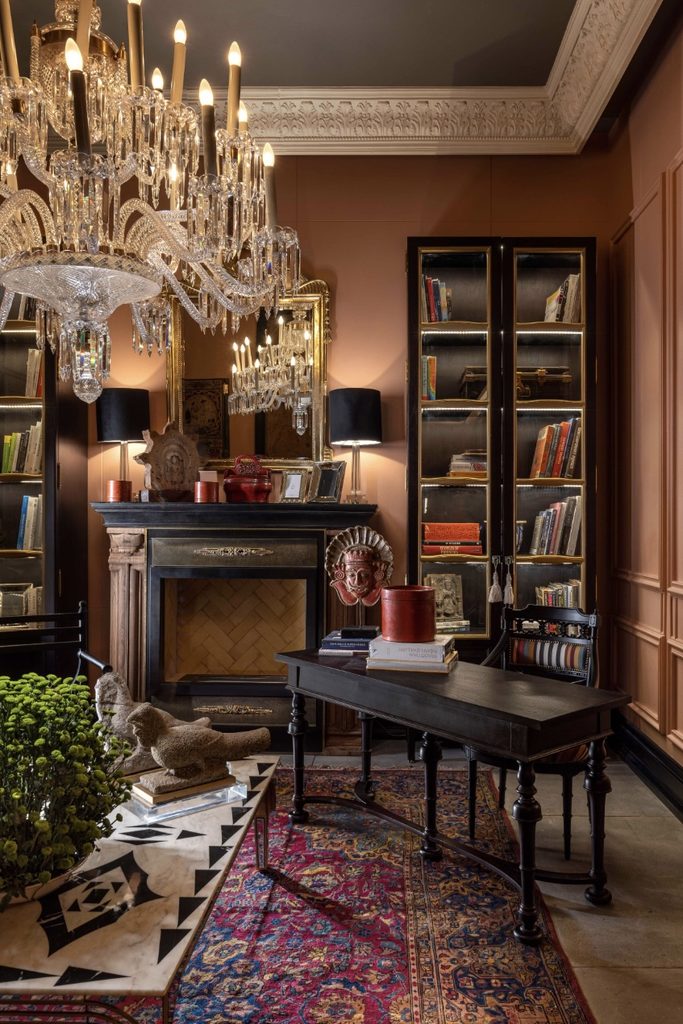
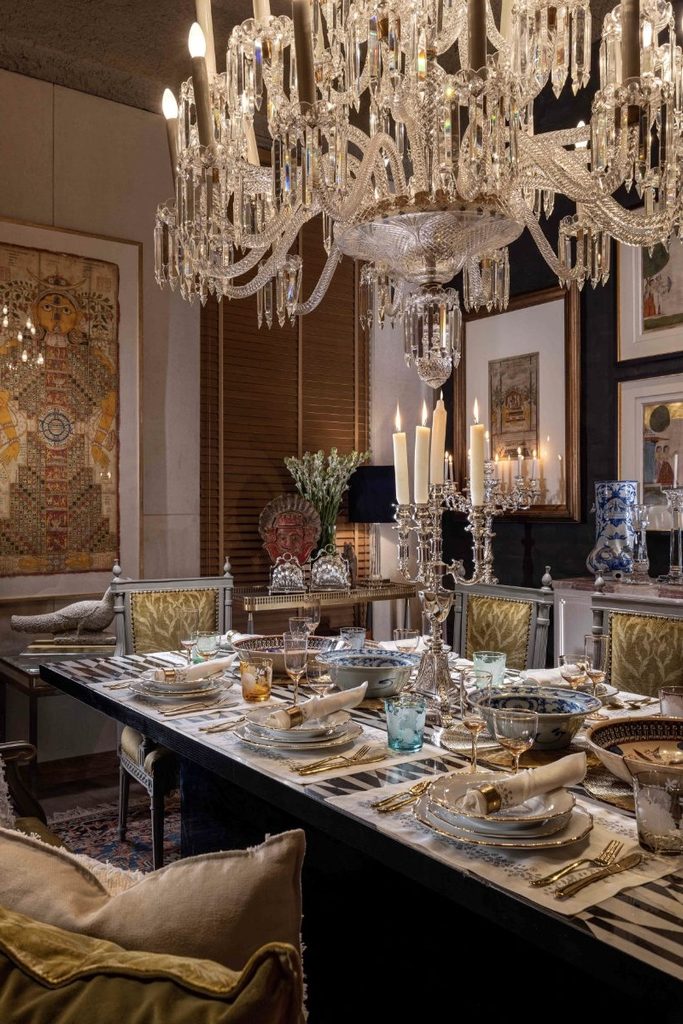
Source : Architectural Digest
10. Varun Baweja
What makes Varun Baweja approach particularly relevant to maximalism is his ability to balance abundance with cohesion. Rather than reproducing traditional Indian interiors, he reinterprets their visual richness through contemporary materials, furniture and spatial planning. The result demonstrates how Indian maximalism can move beyond nostalgia, creating interiors where generations, styles and cultural references coexist.
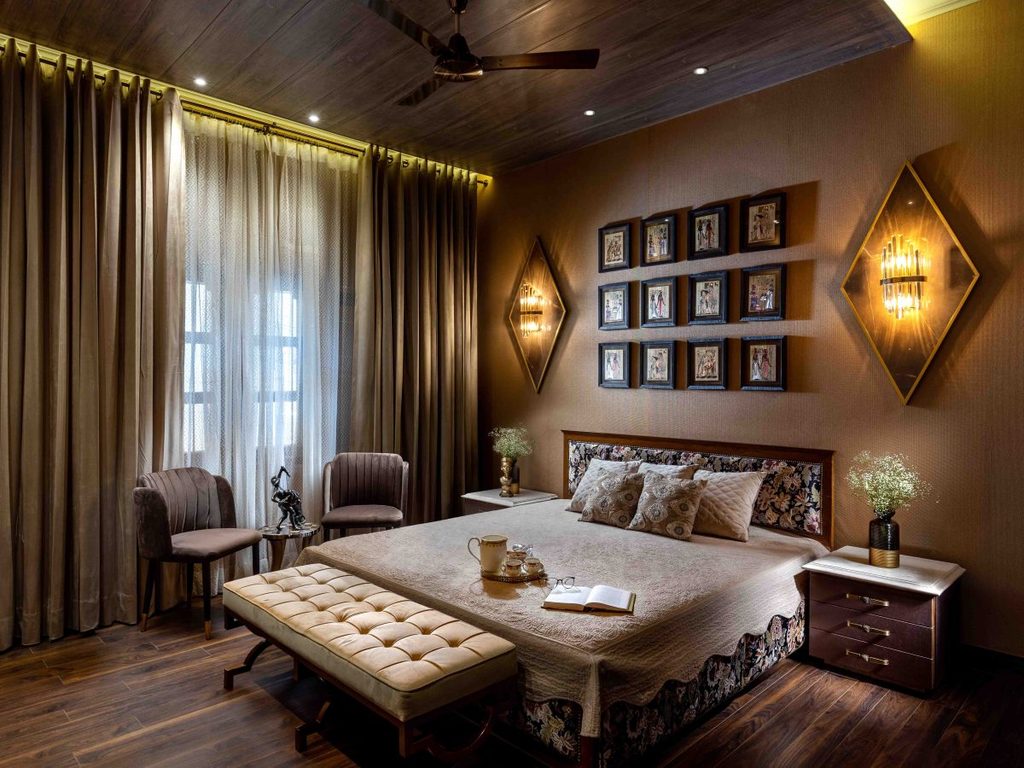
Source: Design Essentia Magazine
When More Becomes an Art Form
This philosophy resonates deeply with the world of Boca do Lobo, where furniture is conceived as more than a functional element: it becomes a statement. Much like the designers explored throughout this article, Boca do Lobo embraces the power of bold forms, unexpected materials, meticulous craftsmanship and dramatic compositions to create interiors with an unmistakable presence. Its pieces reflect the belief that luxury can be emotional, provocative and deeply personal, qualities that sit at the heart of contemporary maximalism.
Ultimately, both the designers shaping India’s maximalist movement and Boca do Lobo share an appreciation for design that refuses to disappear into the background. They celebrate the extraordinary, the handcrafted and the unexpected, transforming spaces into experiences rather than simply decorating them. In a world where interiors can easily become defined by restraint, maximalism offers another possibility: to surround ourselves with objects that inspire, tell stories and make us feel. Because when every detail is created with intention, more is not merely more, it becomes an art form.
Article You’ll Love: How to Incorporate the Golden Touch into Luxury Interior Design