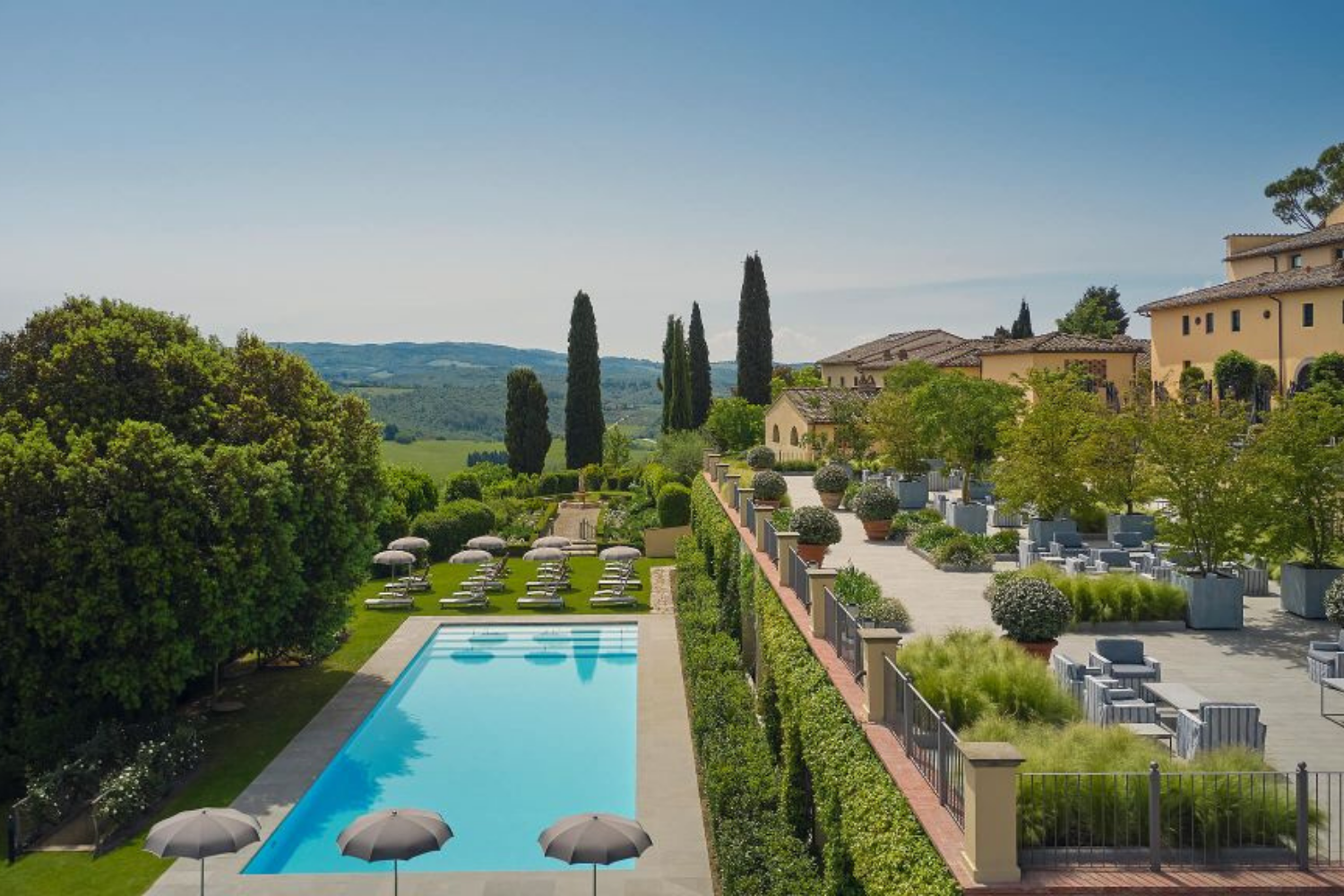
True old money style is less about extravagance than permanence. It lives in architecture that has outlasted generations, interiors shaped by craftsmanship, and rooms where art and furniture feel collected rather than arranged. Old Money Hotels in Italy capture this sensibility with particular confidence, translating centuries of cultural heritage into sophisticated hospitality.
From Renaissance palazzi to aristocratic villas and Mediterranean retreats, Old Money Hotels in Italy reveal a language of luxury rooted in place. Their beauty comes through proportion, materials, artistry and restraint, principles that also define Boca do Lobo’s approach to contemporary collectible design.
See also: Four Seasons Los Cabos: A Masterpiece of Contemporary Mexican Luxury
9 Italian Hotels That Define Old Money Style
Borgo Santandrea
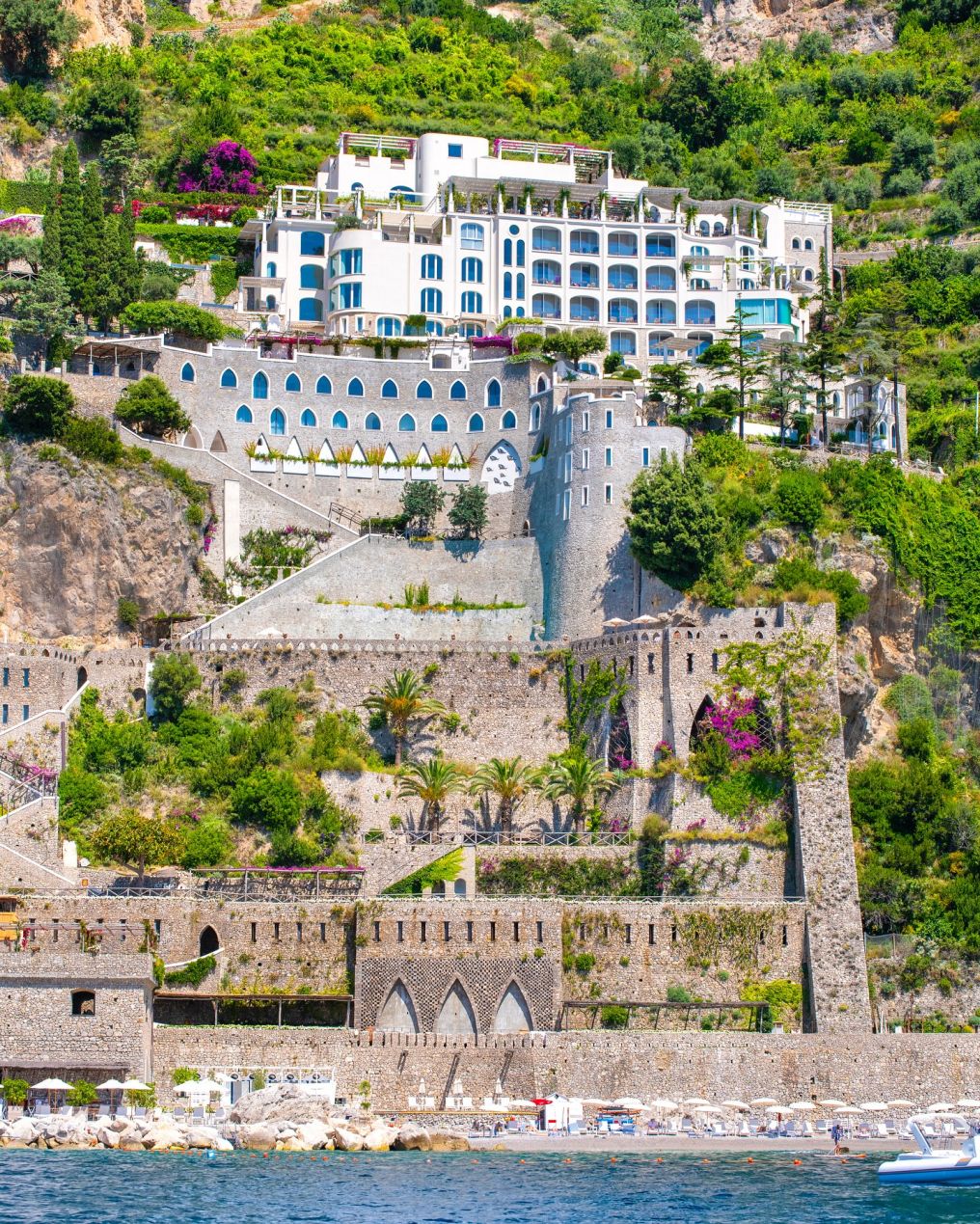
Perched above the sea in Conca dei Marini on the Amalfi Coast, Borgo Santandrea brings a lighter, distinctly Mediterranean character to the Italian hospitality scene. The five-star retreat combines Italian craftsmanship with mid-century influences, handmade tiles, bespoke furniture, local stone, burnished brass and natural linens. Its interiors balance a serene coastal palette with rich, tactile details, while Alici restaurant adds a Michelin-starred culinary experience.
Palazzo Portinari Salviati
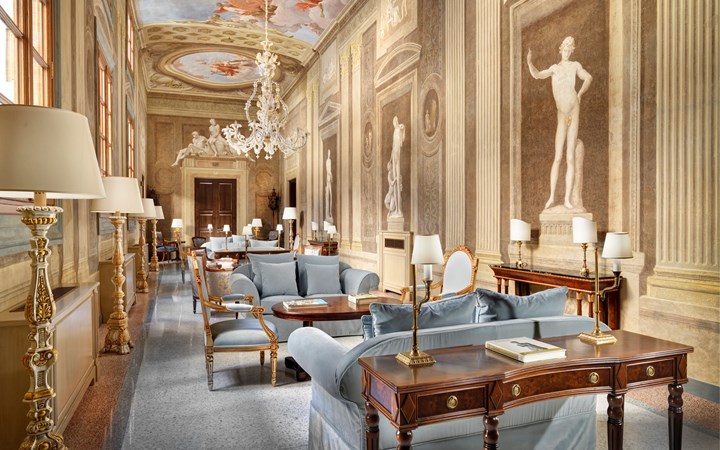
At the heart of Florence, Palazzo Portinari Salviati is a remarkable expression of Renaissance grandeur. Built by the Portinari family and later expanded by Jacopo Salviati, the historic palazzo was restored through a project by Spagnulo & Partners, with Andesignteam involved in the apartments. Frescoes, decorated timber ceilings, marble columns, monumental staircases and intricate stucco details preserve its historic soul, while ATTO di Vito Mollica adds Michelin-starred gastronomy under Chef Vito Mollica.
San Domenico Palace
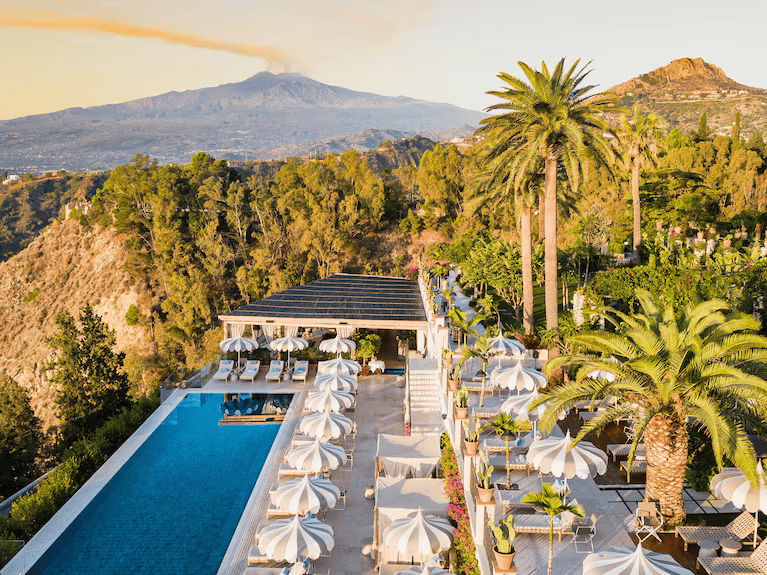
Overlooking Taormina in Sicily, San Domenico Palace demonstrates how historic grandeur can feel cinematic without becoming theatrical. Now part of Four Seasons Hotels and Resorts, the landmark occupies a former 14th-century Dominican convent, complemented by a Grand Hotel wing added in 1896. Architect Valentina Pisani and designer Marco Bay introduced a contemporary vision through restored frescoes, vaulted ceilings, smoked mirrors, bronze details and marble. At Principe Cerami, Chef Massimo Mantarro adds another layer of distinction with Michelin-starred Sicilian cuisine.
Hotel de Russie
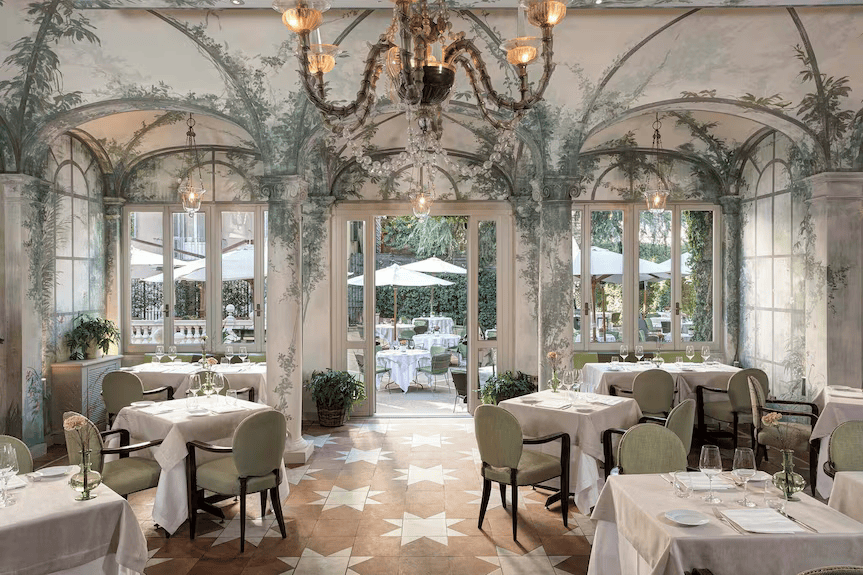
In the heart of Rome, Hotel de Russie offers a more cosmopolitan interpretation of Italian elegance. Part of Rocco Forte Hotels, it sits between Piazza del Popolo and the Spanish Steps, balancing classical architecture with contemporary interiors overseen by Olga Polizzi. Italian fabrics, marble, antiques and bold colours define the rooms and suites, while the Secret Garden provides a quieter Mediterranean retreat.
Get the Look:
Soleil Chair


The Gritti Palace
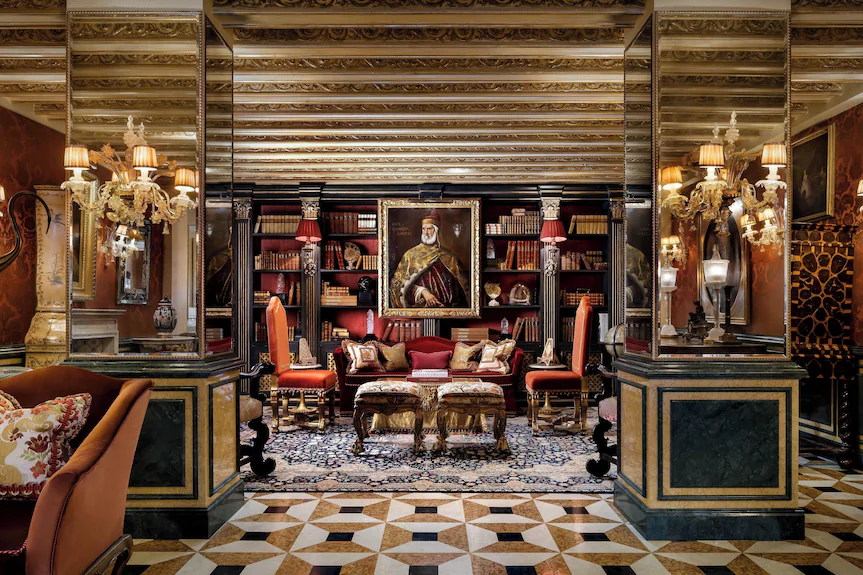
On the Grand Canal in Venice, The Gritti Palace represents the most opulent side of Italian hospitality. Housed in a 15th-century palazzo, the Luxury Collection hotel was restored by designer Chuck Chewning, who carefully reintegrated antiques, artworks and historic furnishings. Gilded details, sumptuous fabrics and Venetian craftsmanship create interiors reminiscent of a private aristocratic residence, enhanced by sweeping views towards Santa Maria della Salute.
Villa d’Este
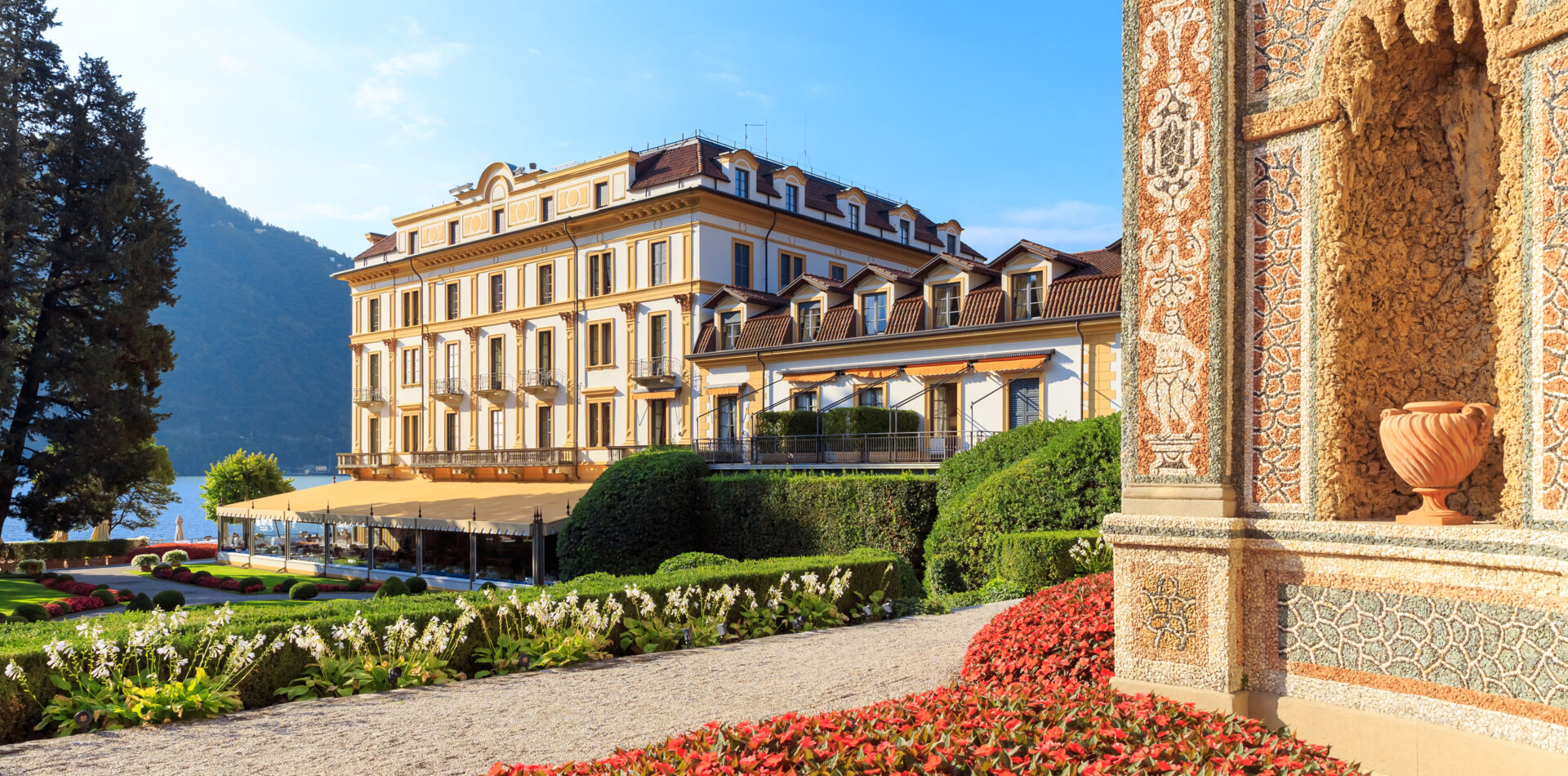
Set on the shores of Lake Como in Cernobbio, Villa d’Este embodies aristocratic Italian elegance. The former Renaissance residence is surrounded by manicured gardens, artworks and richly decorated rooms, creating an atmosphere shaped by centuries of cultivated refinement. Its timeless interiors, classic furnishings and layered details feel entirely removed from passing trends, preserving the character that has made the property an enduring icon of Italian hospitality.
Il Borro
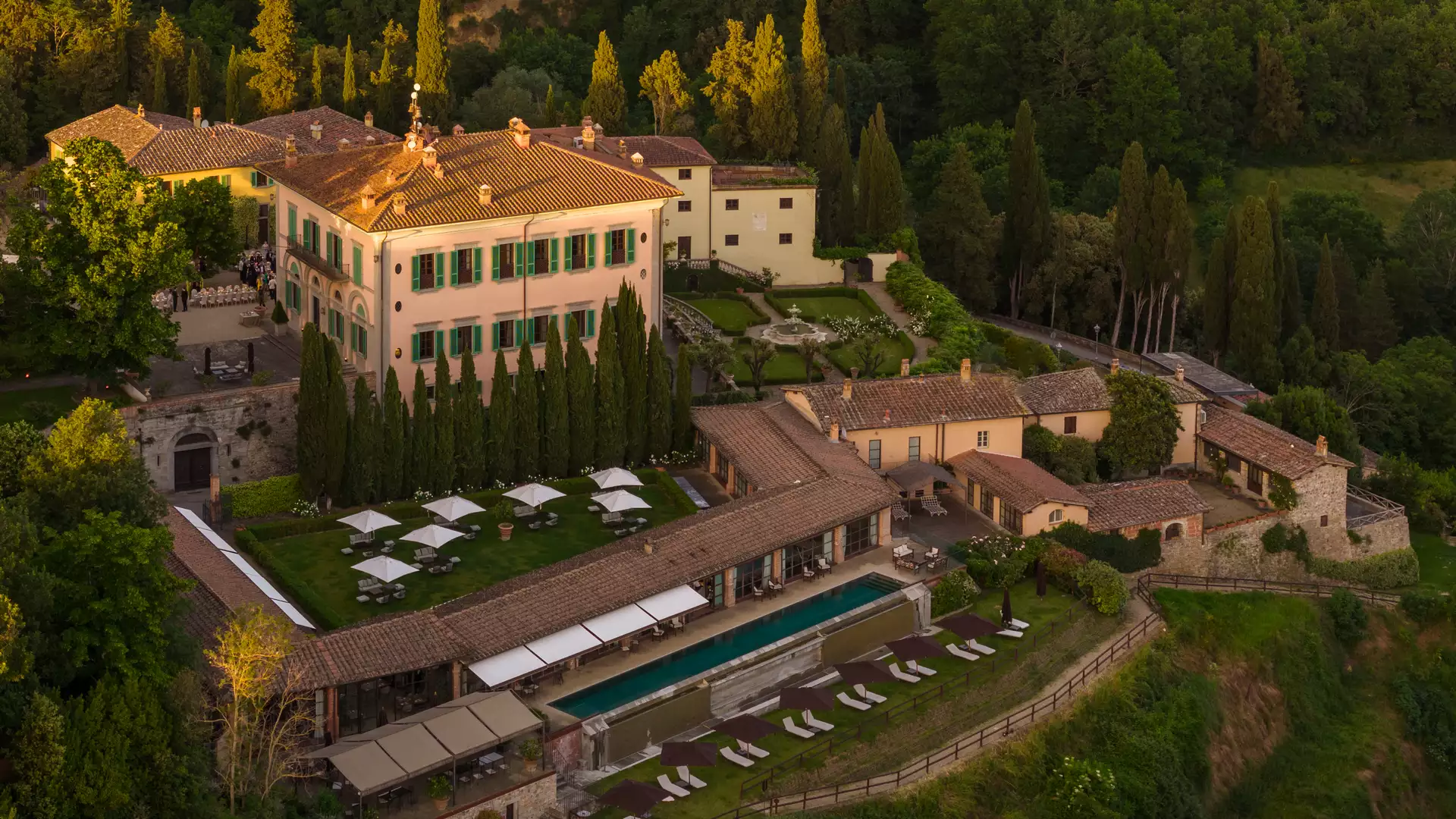
In San Giustino Valdarno, Tuscany, Il Borro represents the authentic rural side of Italian heritage. Owned by the Ferragamo family, this thousand-year-old medieval hamlet spans 1,100 organic hectares and has been carefully restored since 1993. Suites combine soft colours, refined textiles, antique-inspired furniture and exposed architectural details, while farm-to-table dining, vineyards and artisan workshops reinforce its philosophy of continuity.
COMO Castello del Nero
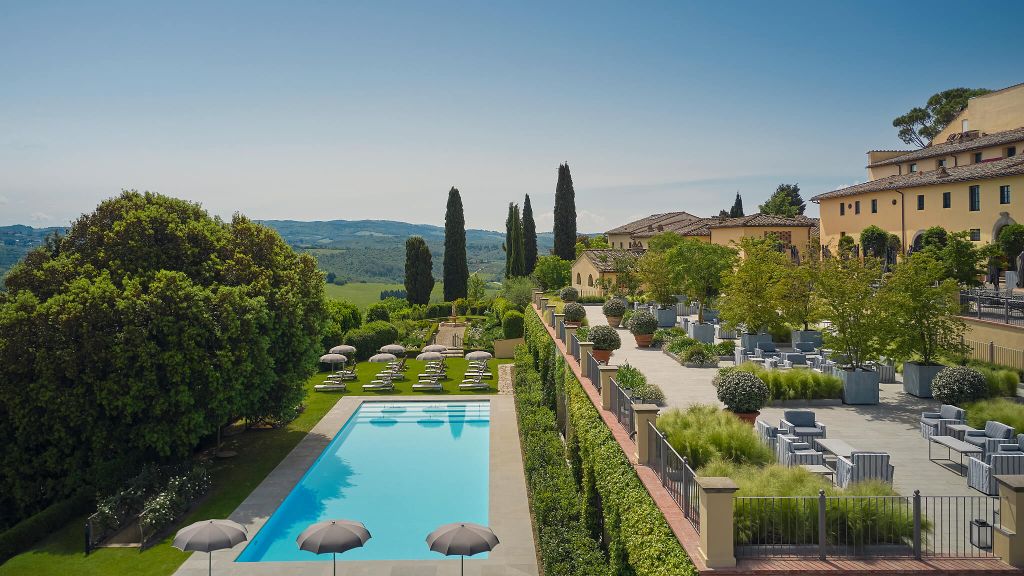
In the Tuscan countryside near Tavarnelle Val di Pesa, COMO Castello del Nero offers a quieter vision of refined hospitality. Housed in a 12th-century castle, its restoration by Paola Navone allows original frescoes, vaulted structures and traditional materials to take centre stage. Pietra serena, Carrara marble, wood and lime-based finishes meet contemporary Italian furnishings, creating a sophisticated dialogue between past and present.
Jumeirah Capri Palace
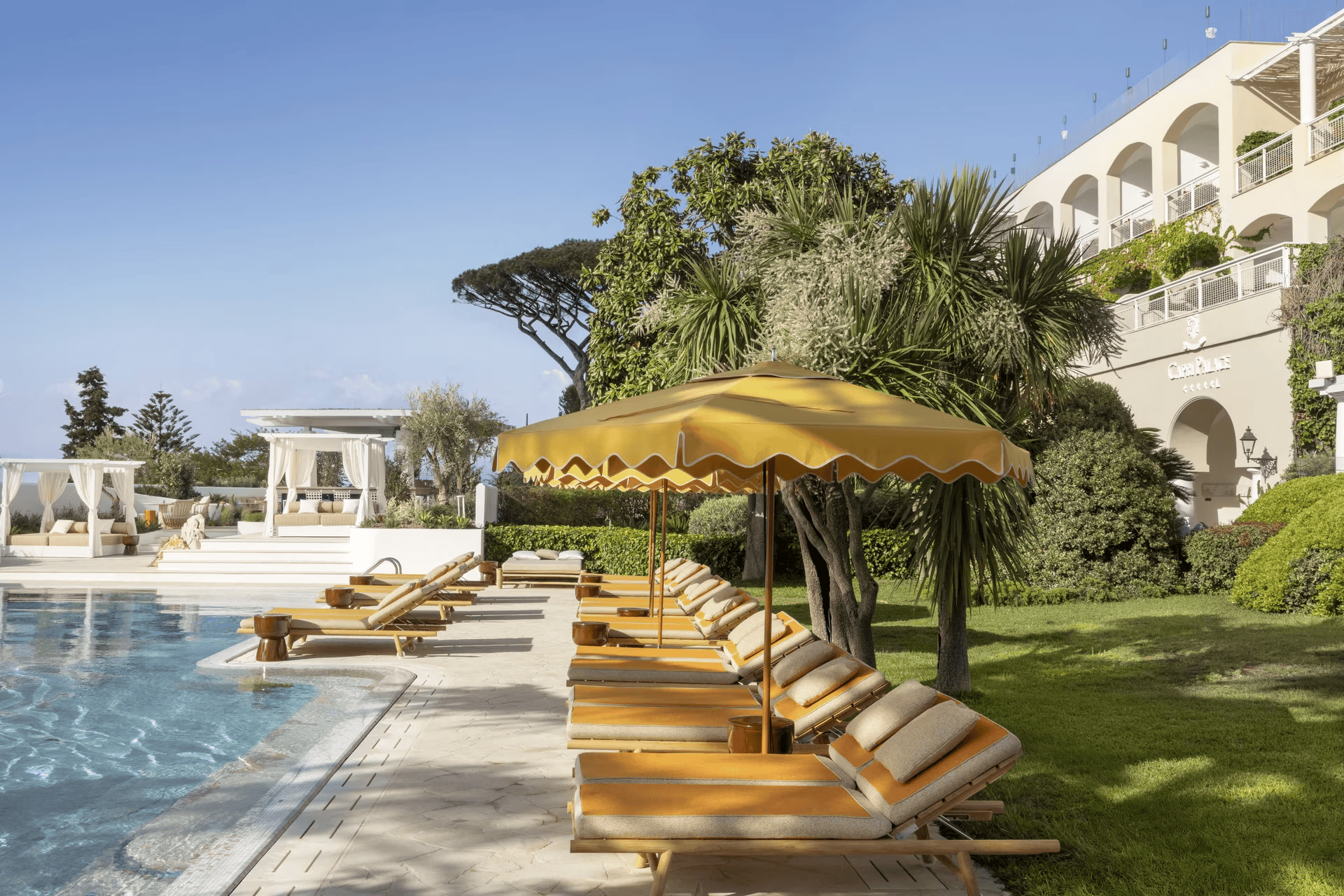
In Anacapri on the island of Capri, Jumeirah Capri Palace completes the selection with a distinctly artistic and Mediterranean interpretation of timeless elegance. Its white architectural language provides a serene backdrop for curated artworks, refined interiors and panoramic island views. At L’Olivo, Chef Andrea Migliaccio leads a two-Michelin-starred restaurant celebrating contemporary interpretations of Capri and Neapolitan traditions. The result is an atmosphere defined by art, restraint and a strong sense of place.
The Timeless Language of Old Money Style
Together, these Old Money Hotels in Italy prove that timeless luxury is not a formula. It can be Renaissance frescoes, Tuscan stone, Venetian velvet, Roman gardens or Mediterranean light. What unites them is a respect for authenticity and an understanding that the most powerful interiors allow craftsmanship, art and architecture to speak for themselves.
That same philosophy sits at the heart of Boca do Lobo, where contemporary collectible design transforms heritage techniques, precious materials and artistic expression into pieces made to endure.
See also: LA Proper Hotel: A Bold Icon of L.A. Design