The pieces spotted in Milan reveal how contemporary luxury is evolving beyond traditional notions of opulence. During Milan Design Week, interiors become immersive design statements where craftsmanship, artistic vision, and architectural forms converge, transforming furniture into objects of expression rather than purely functional elements. From collectible pieces to sculptural silhouettes, Milan continues to set the global direction for high-end interior design.
In today’s design landscape, a statement piece is no longer defined solely by scale or extravagance. Instead, it embodies identity through materiality, craftsmanship, and conceptual intent, creating focal points that shape the atmosphere and narrative of a space.
Article You’ll Love: Salone Raritas: Collectible Design at Milan Design Week 2026
Sculptural Seating
Seating has moved far beyond comfort, it is now a sculptural expression. Sofas and armchairs seen across Milan Design Week blur the boundaries between furniture and art.
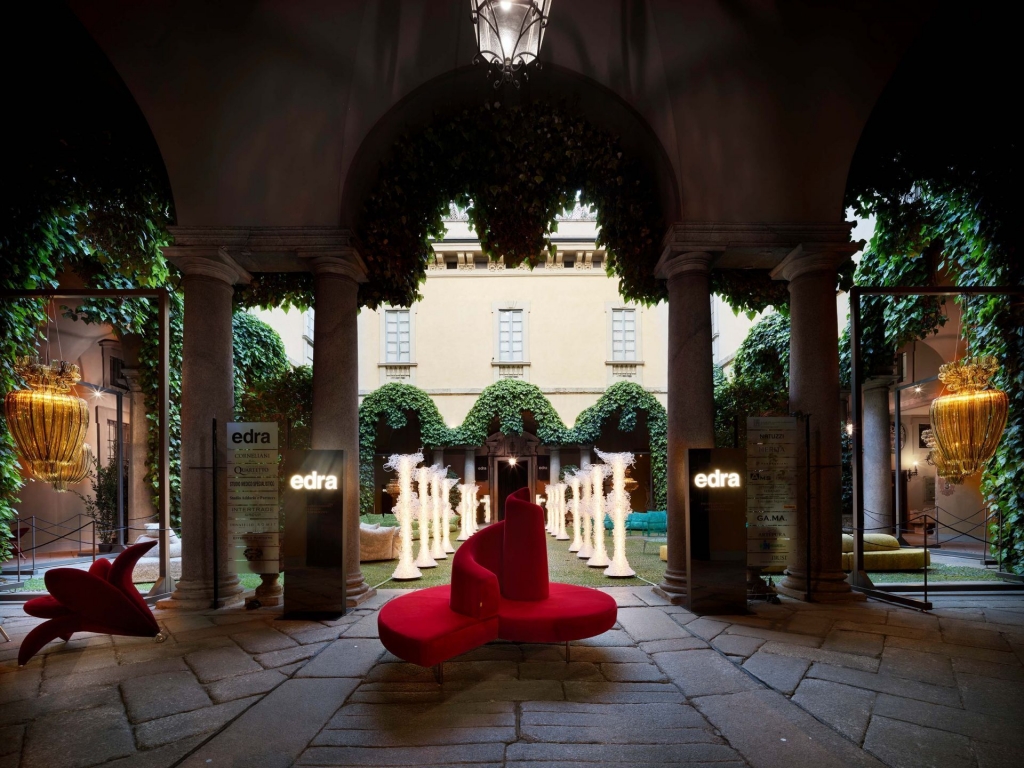
Brands like Edra exemplify this approach with iconic pieces inspired by the Constructivist language. Drawing from the architectural vision of Tatlin’s tower, this sofa is conceived as a modern totem, designed for central placement and capable of accommodating multiple seating positions.
Boca do Lobo reinforces this sculptural approach with the Sancho armchair, defined by a solid wood structure and refined upholstery. The contrast between its architectural form and soft textures highlights the brand’s craftsmanship and attention to material detail.

Sancho Armchair


Artistic Tables
Tables are no longer secondary elements, they anchor the space. In Milan, dining tables and consoles are increasingly conceived as sculptural centerpieces, designed to draw the eye and define spatial hierarchy.
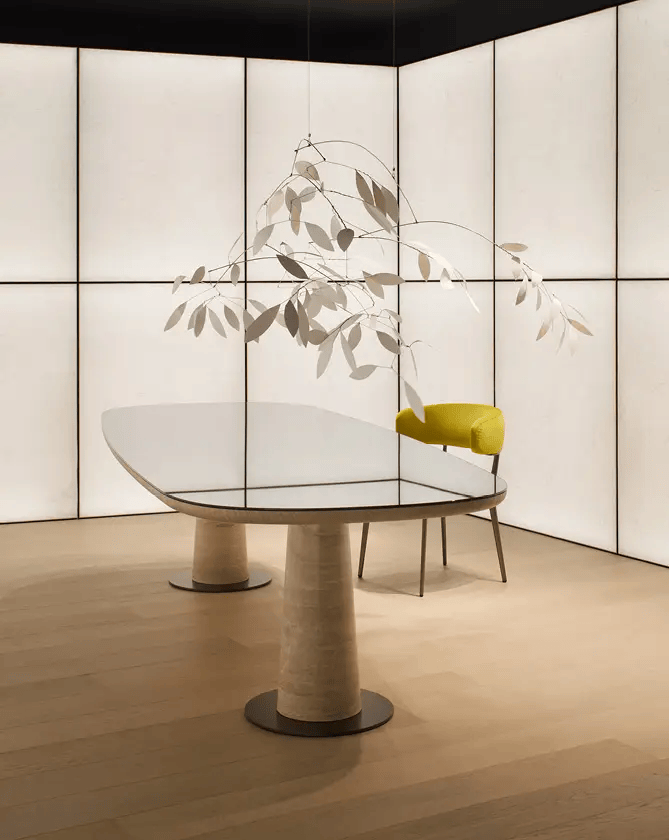
At Milan Design Week 2026, Maxalto presents the Kalystrus dining table, designed by Antonio Citterio, as a refined architectural statement. Crafted entirely in marble, its solid conical bases give the piece a sculptural, column-like presence, balancing strength and elegance in a quietly monumental form.
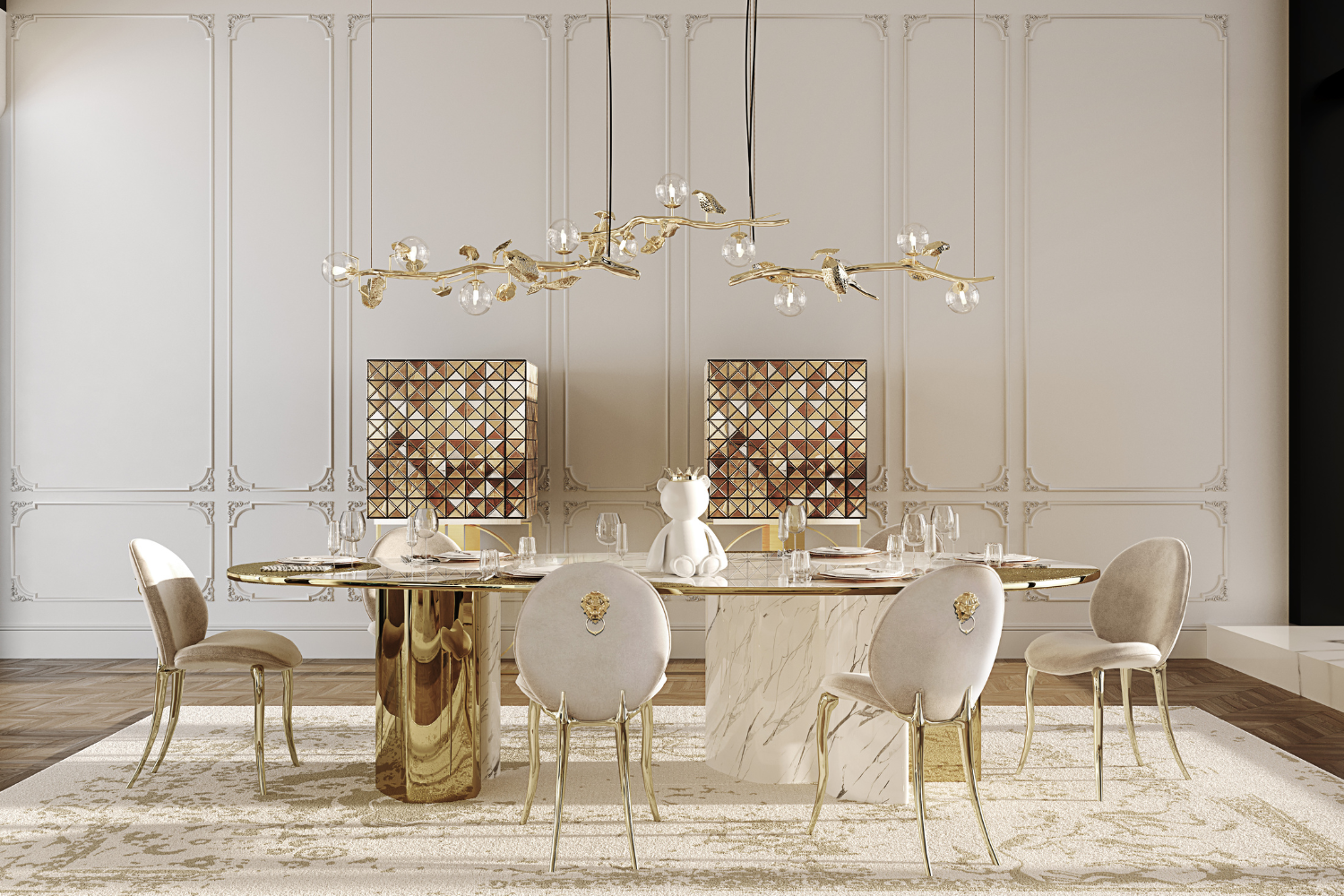
The Ophelia dining table by Boca do Lobo combines Carrara marble with gold-plated cast brass, creating a strong contrast between stone and metal. Its sculptural base supports a solid top, resulting in a piece defined by material richness and architectural presence.
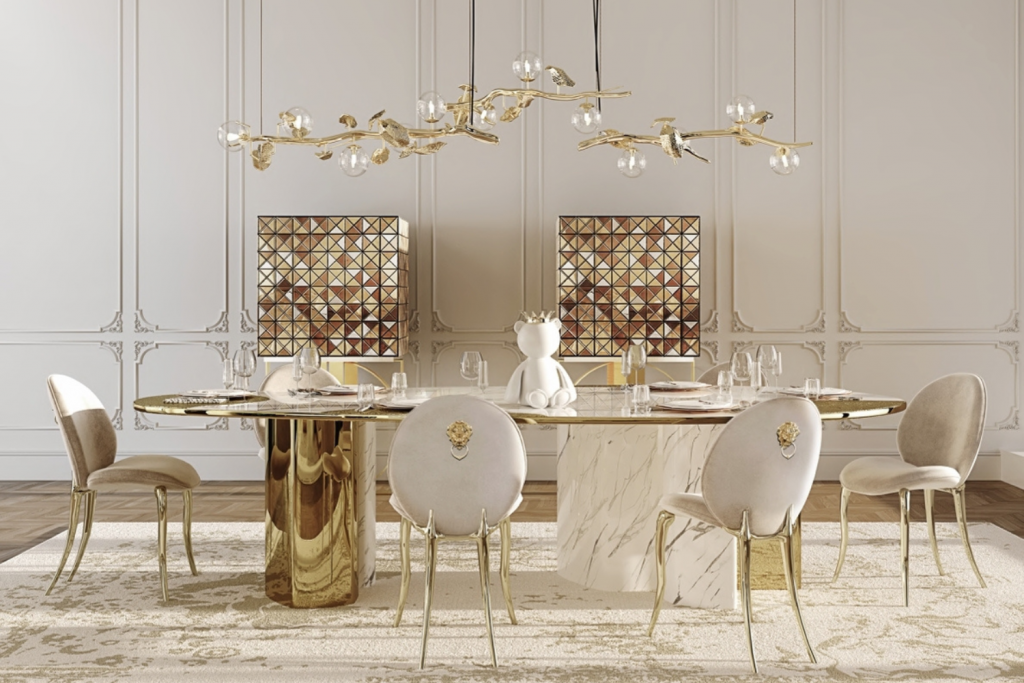
Ophelia Dining Table

Center Tables as Statement Objects
Coffee tables have evolved into absolute statement objects. Rather than complementing a room, they often dictate its tone, especially within the growing realm of collectible design.
The Aphanes Low Table by Nilufar is carved from multicolored marble, highlighting its natural veining and raw beauty. Inspired by monolithic forms, it reads as a sculptural, collectible object with a strong architectural presence.

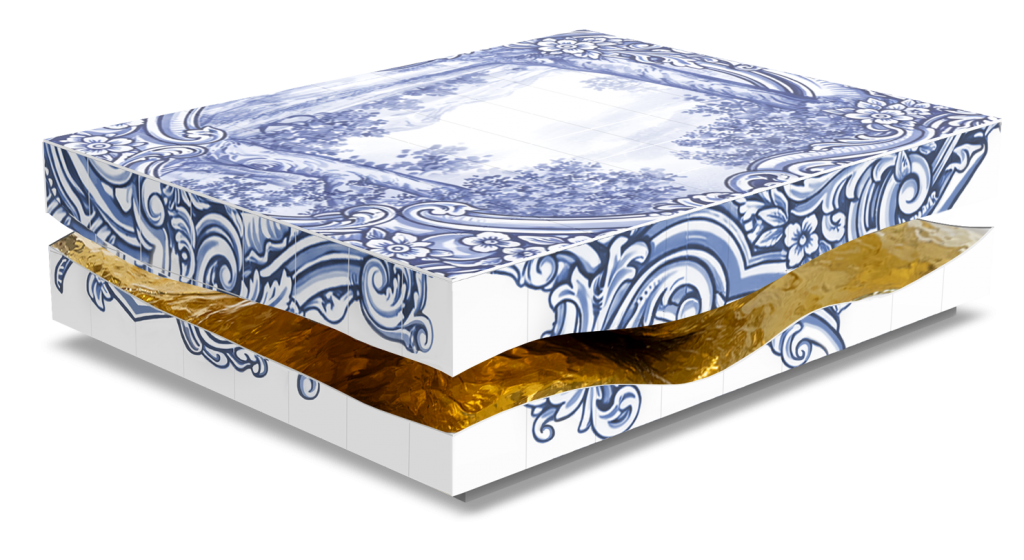
The Quarry Tiles center table by Boca do Lobo is defined by its distinctive hand-applied tiles, creating a textured, graphic surface that contrasts with polished metal accents. The composition of the tiles introduces rhythm and depth, turning the piece into a bold sculptural statement with strong architectural character.

Quarry Center Table
Lighting as Architecture
Lighting has taken on a structural role, shaping spaces as much as illuminating them. In Milan, lighting design increasingly blurs into architecture, with pieces that create atmosphere, define volumes, and act as spatial landmarks.
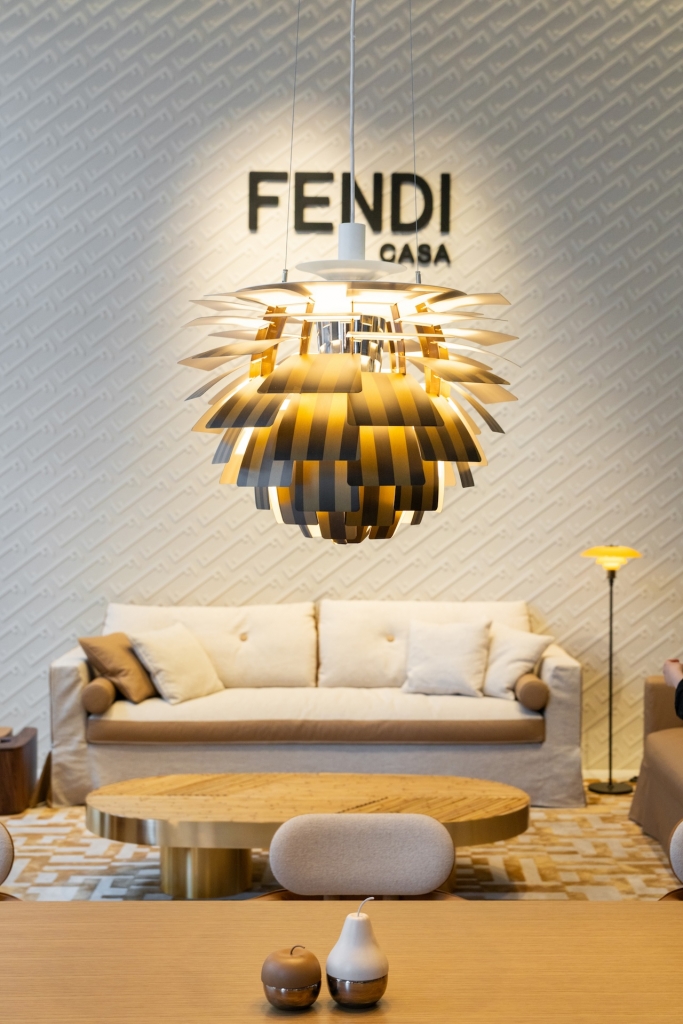
Fendi Casa, for instance, integrates lighting into its broader design language, creating cohesive environments where illumination becomes part of the architectural narrative.
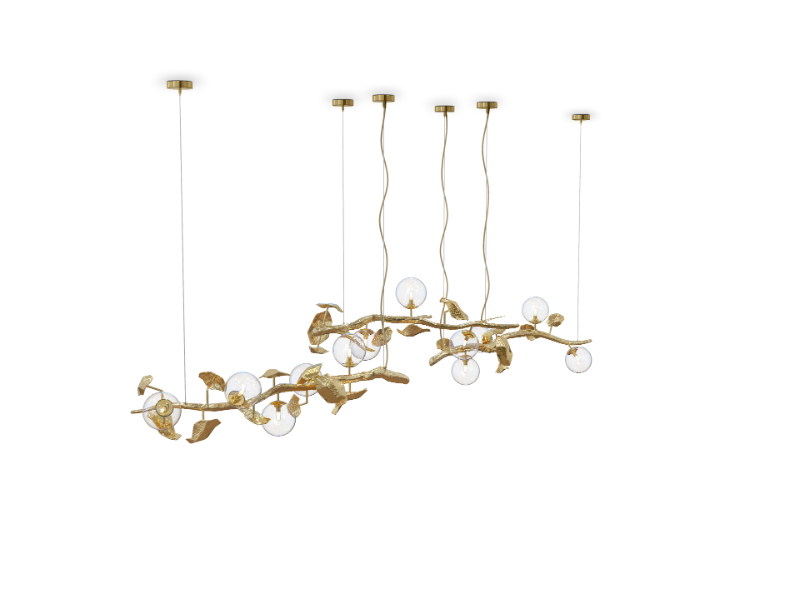
The Hera chandelier by Boca do Lobo is crafted in casted and polished brass with glass accents, forming an organic branch-like structure. Its sculptural composition blends light and materiality, creating a dramatic architectural presence.

Hera Suspension Lamp
Cigar Humidors
Luxury today extends into rituals, objects that enhance moments of pause and indulgence. In Milan, cigar humidors and related pieces have evolved into design statements, reflecting a refined, lifestyle-driven approach to interiors.
Boca do Lobo’s bespoke Habano Cigar Humidor Cabinet follow a similar philosophy, transforming utilitarian items into expressive design pieces. Among the most distinctive pieces spotted in Milan, these objects represent a fusion of masculinity, ritual, and luxury design.
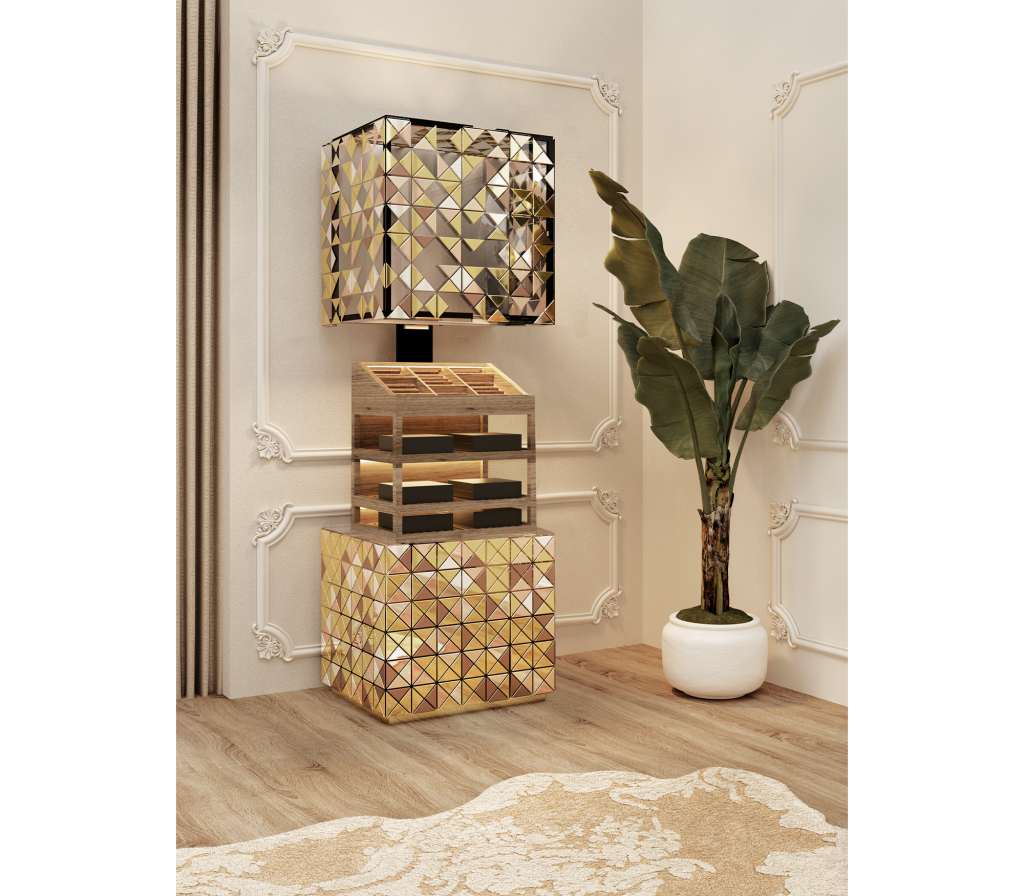
Habano Cigar Humidor Cabinet

Conclusion
The pieces spotted in Milan reveal a clear narrative: contemporary luxury is defined by expression, craftsmanship, and individuality. Statement pieces are no longer exceptions, they are the language through which interiors communicate identity and emotion.
Milan remains the ultimate stage for this evolution, validating design as both cultural expression and collectible art. Within this landscape, Boca do Lobo stands not as one among many, but as a brand that consistently shapes and elevates the conversation around statement design.
See Also: Luxury Design Materials: Salone del Mobile 2026 Trends