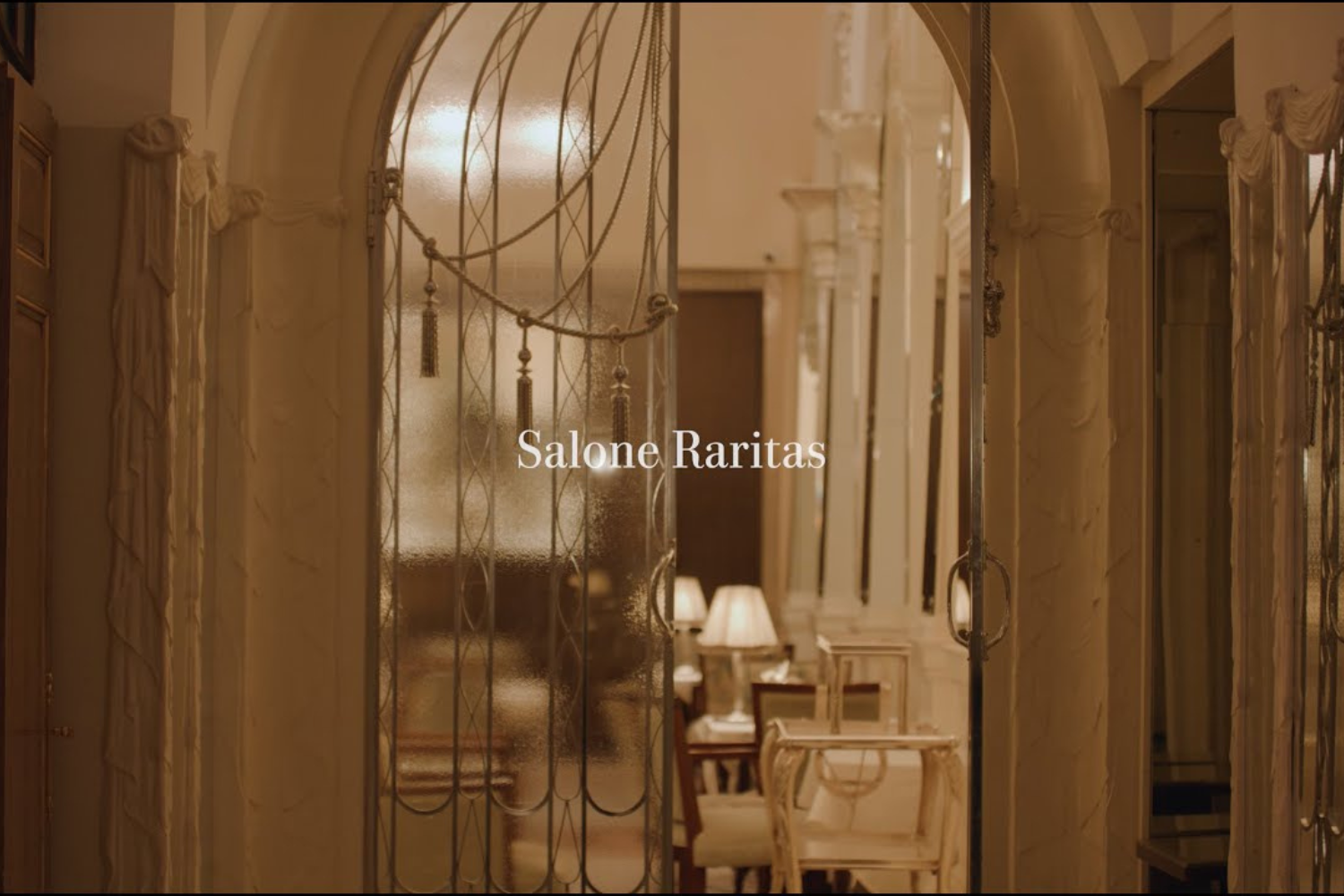
The 2026 edition of Salone del Mobile Milano 2026 marked a significant evolution in the design landscape with the introduction of Salone Raritas. Conceived as a dedicated platform for collectible design, it signaled a broader shift toward rarity, authorship, and cultural value within contemporary design practices.
See also: Exclusive Luxury Showrooms That You Must Visit During Milan Design Week

A New Cultural Platform
Salone Raritas emerged as a hybrid environment where gallery culture meets the format of the design fair. Bringing together international galleries, designers, and collectors, the platform emphasized limited-edition works and unique pieces that challenge the traditional boundaries between art and functional objects.
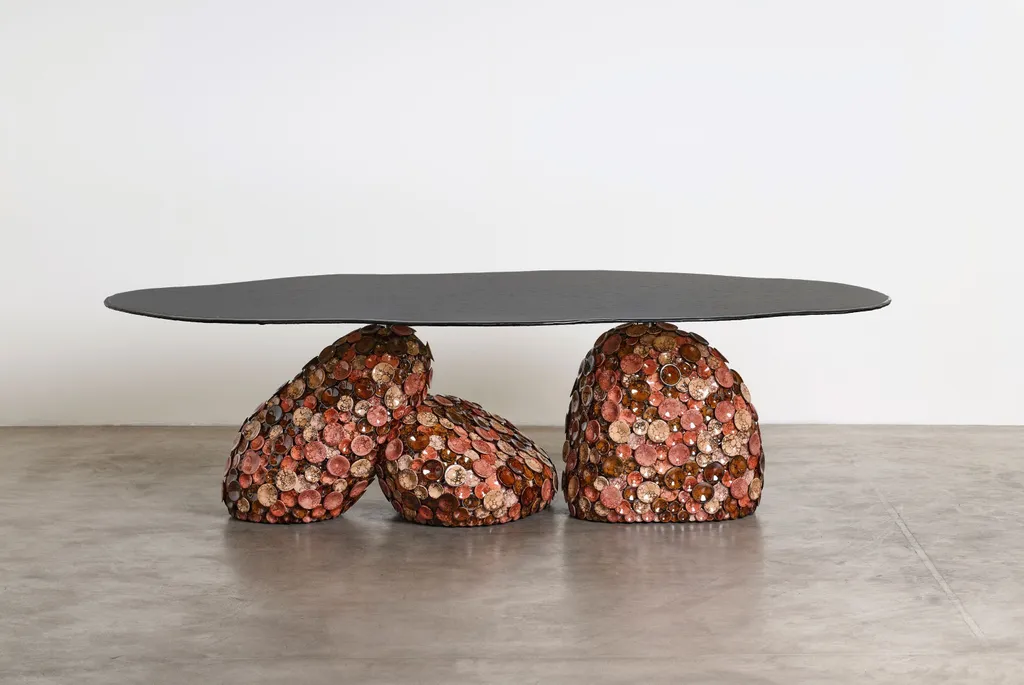
Rather than focusing on mass production, this new section reframed design as a narrative discipline. Objects presented within Salone Raritas carried conceptual depth, material experimentation, and emotional resonance, positioning themselves closer to artworks than industrial products.
Key Participants
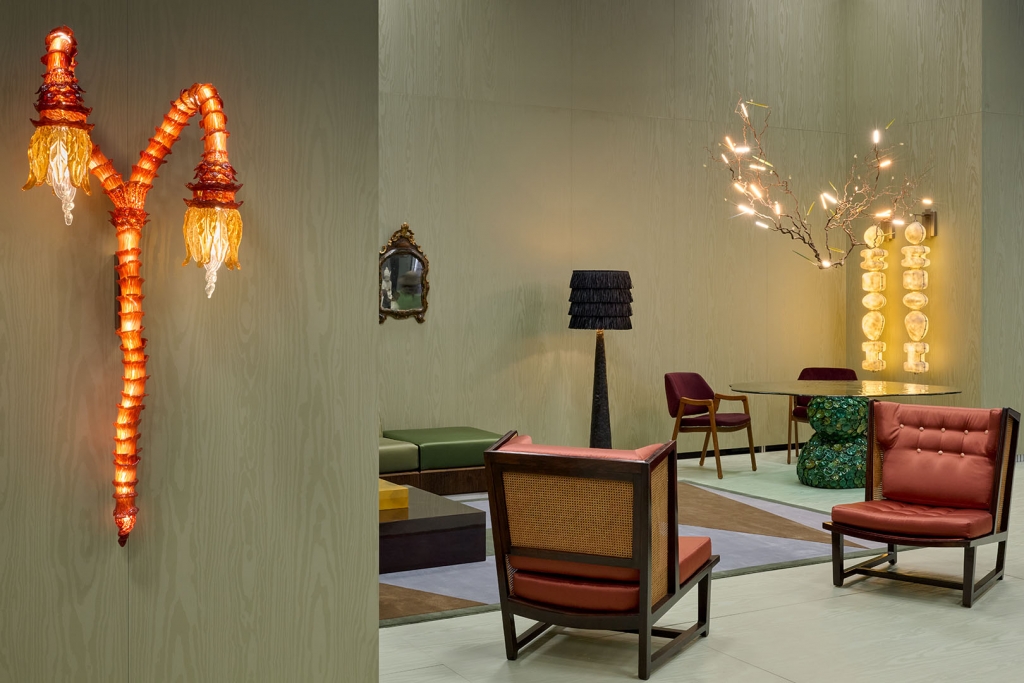
Among the key participants was Nilufar Gallery, led by Nina Yashar. The gallery presented immersive environments that blurred the distinction between domestic space and installation, reinforcing the role of storytelling in collectible design at Salone Raritas.
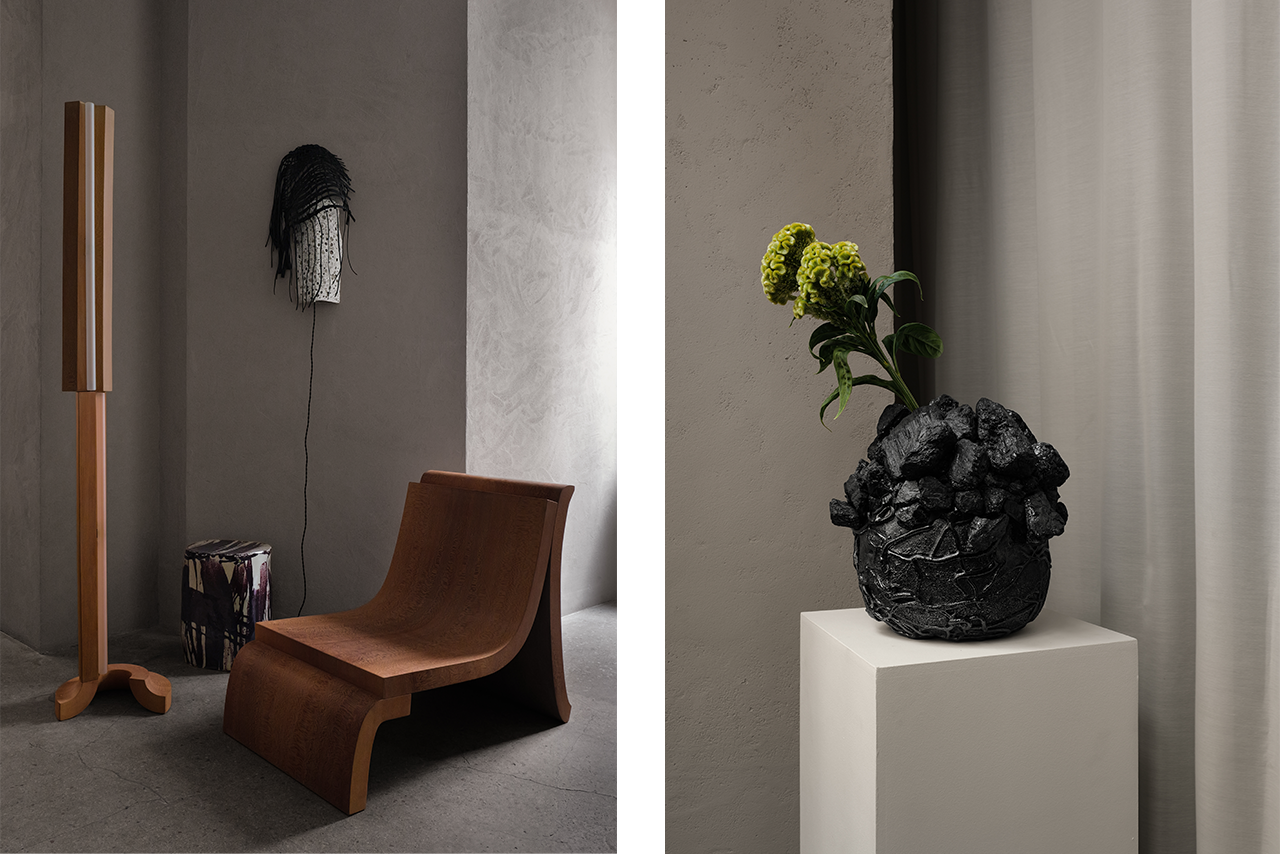
Galerie Mitterrand contributed a historical dimension through works by Claude Lalanne and François-Xavier Lalanne. Their presence highlighted the continuity between 20th-century sculptural furniture and contemporary collectible design practices within Salone Raritas.
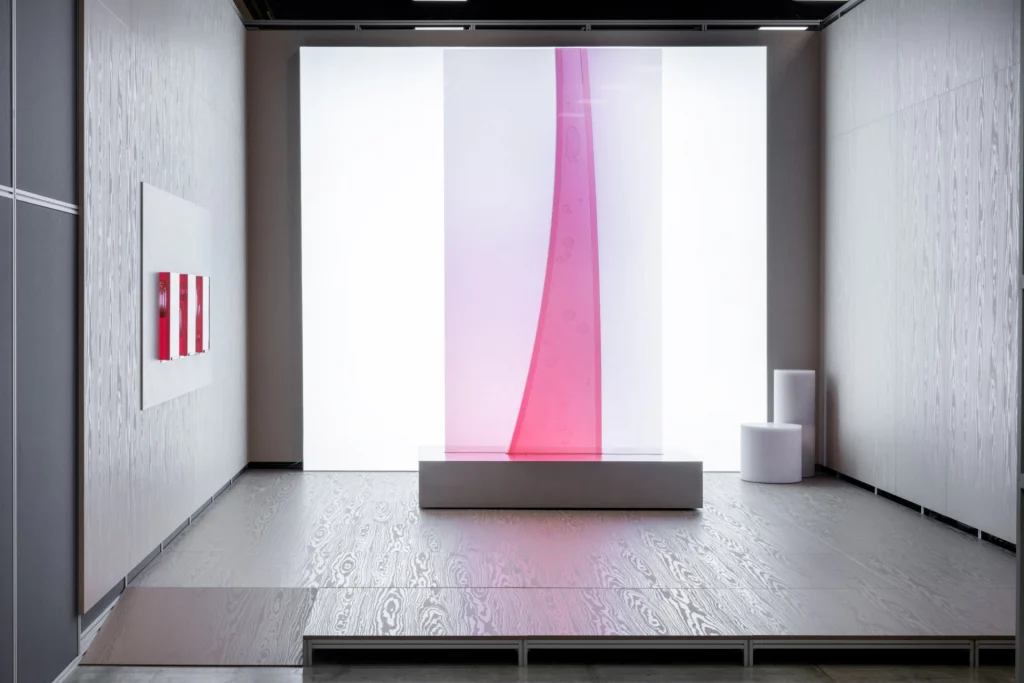
The historic Venetian glassmaker Salviati collaborated with Draga & Aurel, presenting pieces that explored the interaction between Murano glass, resin, and concrete. This project emphasized light as a transformative element, a theme that resonated strongly throughout Salone Raritas.
Materiality as Narrative
One of the defining characteristics of Salone Raritas was its emphasis on materials as carriers of meaning. Glass, metal, stone, and resin were used not only for their aesthetic qualities but also for their ability to express process, time, and craftsmanship.
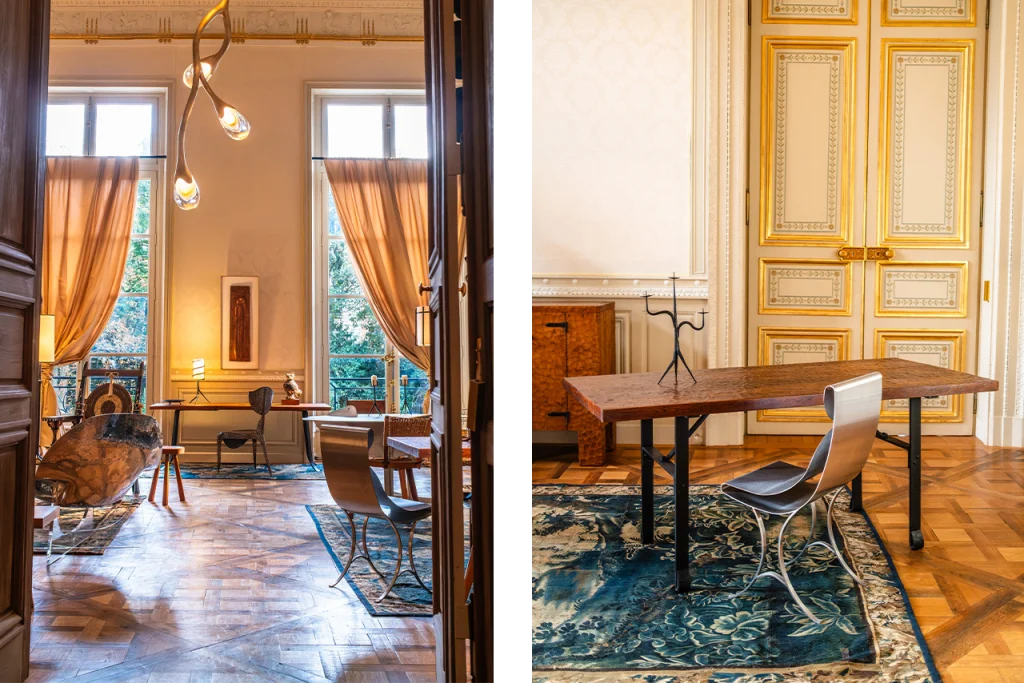
Designers embraced imperfections and tactile richness, highlighting artisanal techniques and unique finishes. This approach reflects a broader movement away from industrial uniformity, with Salone Raritas foregrounding authenticity and individuality as core values.
Between Market and Museum
At the same time, Salone Raritas revealed how collectible design operates within a hybrid economic and cultural framework. Objects are not only functional but also collectible assets, positioned within a market that overlaps with contemporary art.
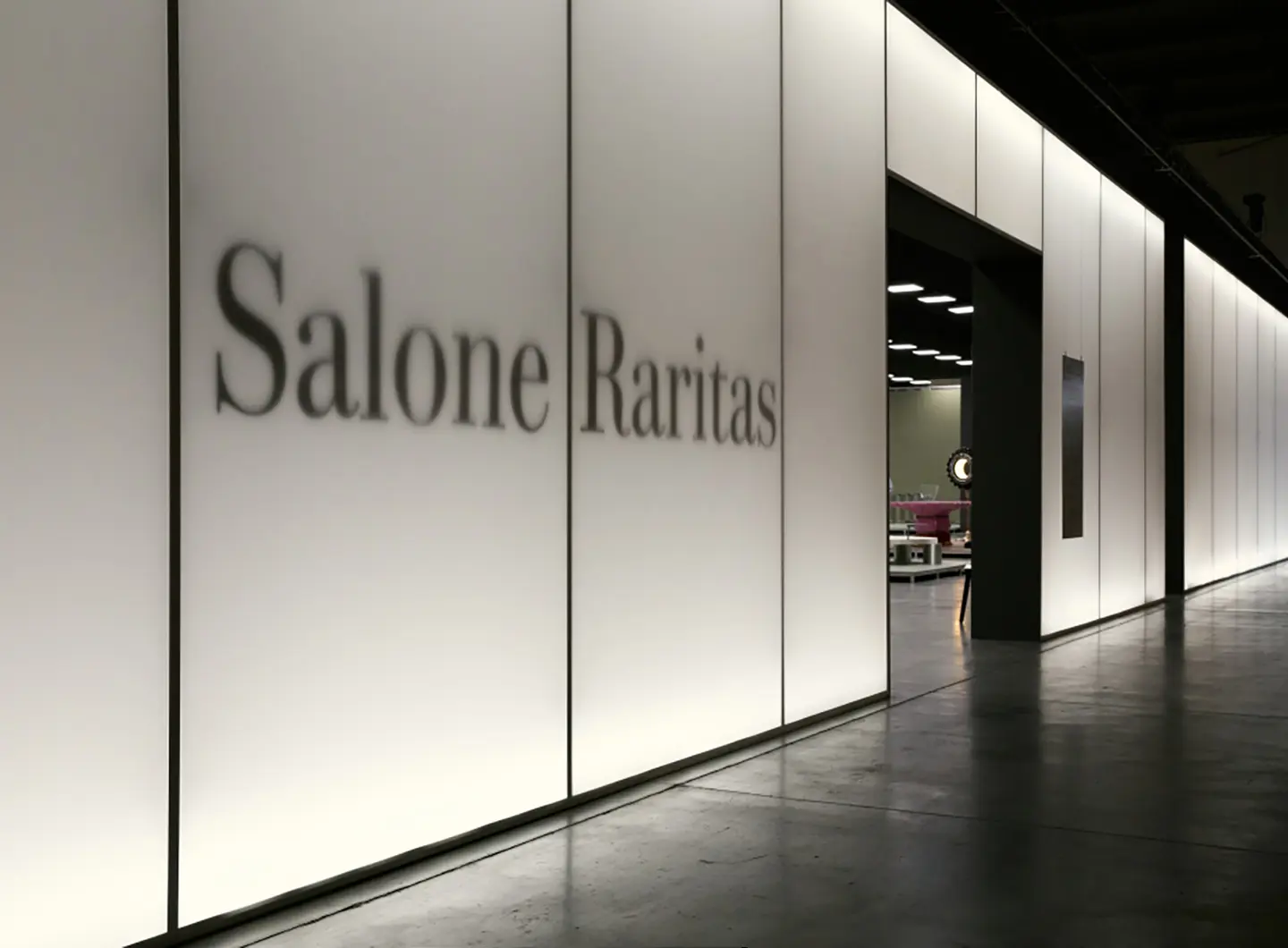
By connecting galleries, collectors, and designers, Salone Raritas created a space where design can be both exhibited and traded, reinforcing its dual identity as cultural artifact and investment.
The debut of Salone Raritas represents a pivotal moment in the evolution of design culture. It establishes a new paradigm in which rarity, narrative, and material exploration define the value of objects.
As this platform continues to develop, Salone Raritas is likely to shape the future of collectible design, affirming the growing importance of pieces that exist between art, design, and cultural expression.
See also: The Luxury Showrooms That You Must Visit During Milan Design Week